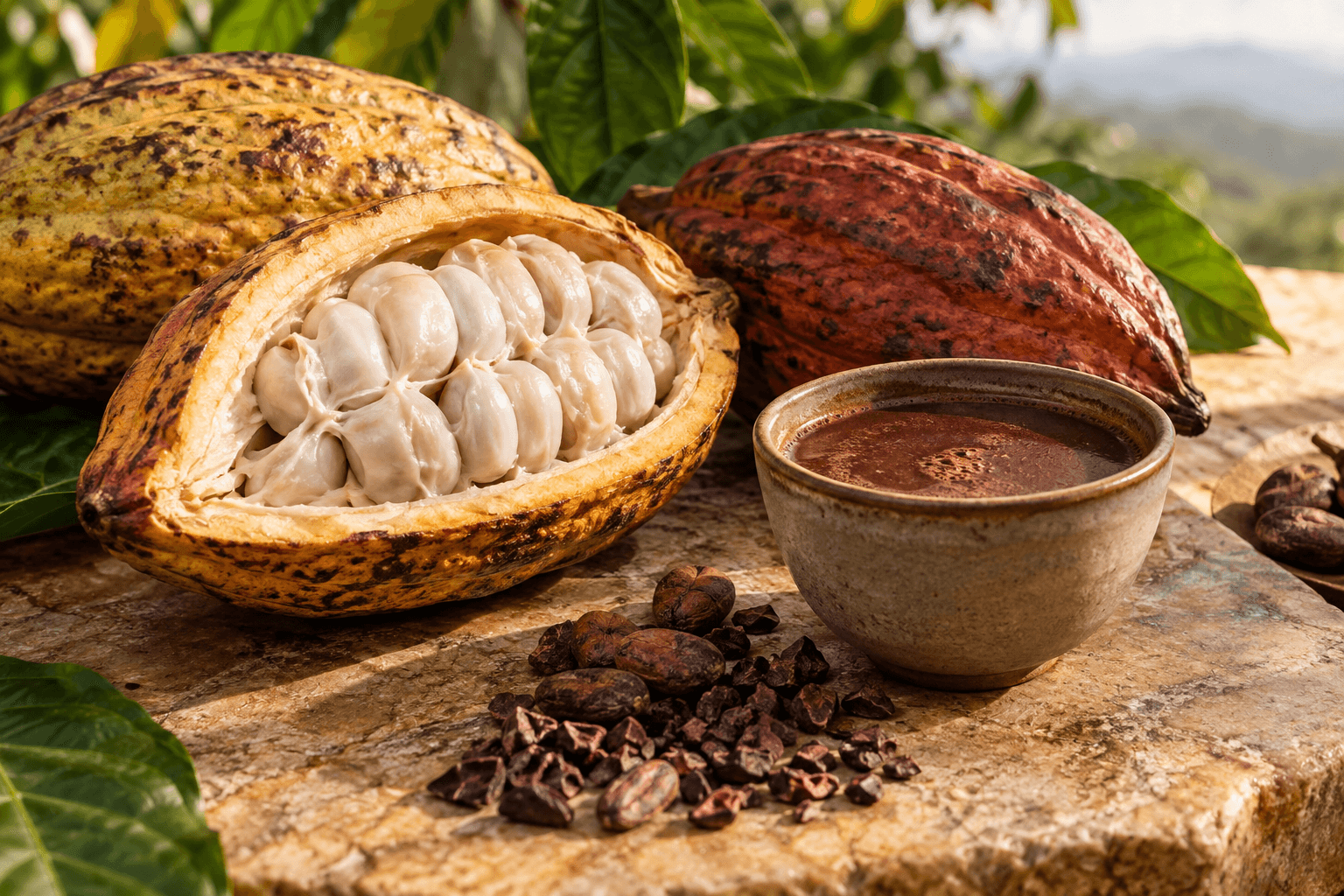
Cocoa appears in scientific publications in several completely different roles: as a food product, a source of specific molecules, and a standardized extract. A cup of beverage, a chocolate bar, and a capsule may have a common origin, yet deliver different amounts of flavanols, sugar, fat, and methylxanthines. This is precisely why the question "Is cocoa healthy for the blood vessels?" requires clarification: which product, dose, and measured outcome are being discussed? The studied vascular effects deserve attention, but their practical meaning is only revealed alongside data on long-term clinical outcomes.
To figure this out, we will trace the path from cocoa composition to human studies. Along the way, it will be necessary to distinguish between a molecule added to cells in a laboratory and its metabolites in the blood, an change in artery diameter and a prevented heart attack, or the result of a memory test and the treatment of dementia. These distinctions help not to devalue positive findings while simultaneously not assigning tasks to a dietary supplement that it has not solved. For the specialist, they determine the transferability of results to a specific situation; for the ordinary reader, they allow one to understand what the number on the packaging means and what to expect from the product.
Cocoa, flavanols, and product composition
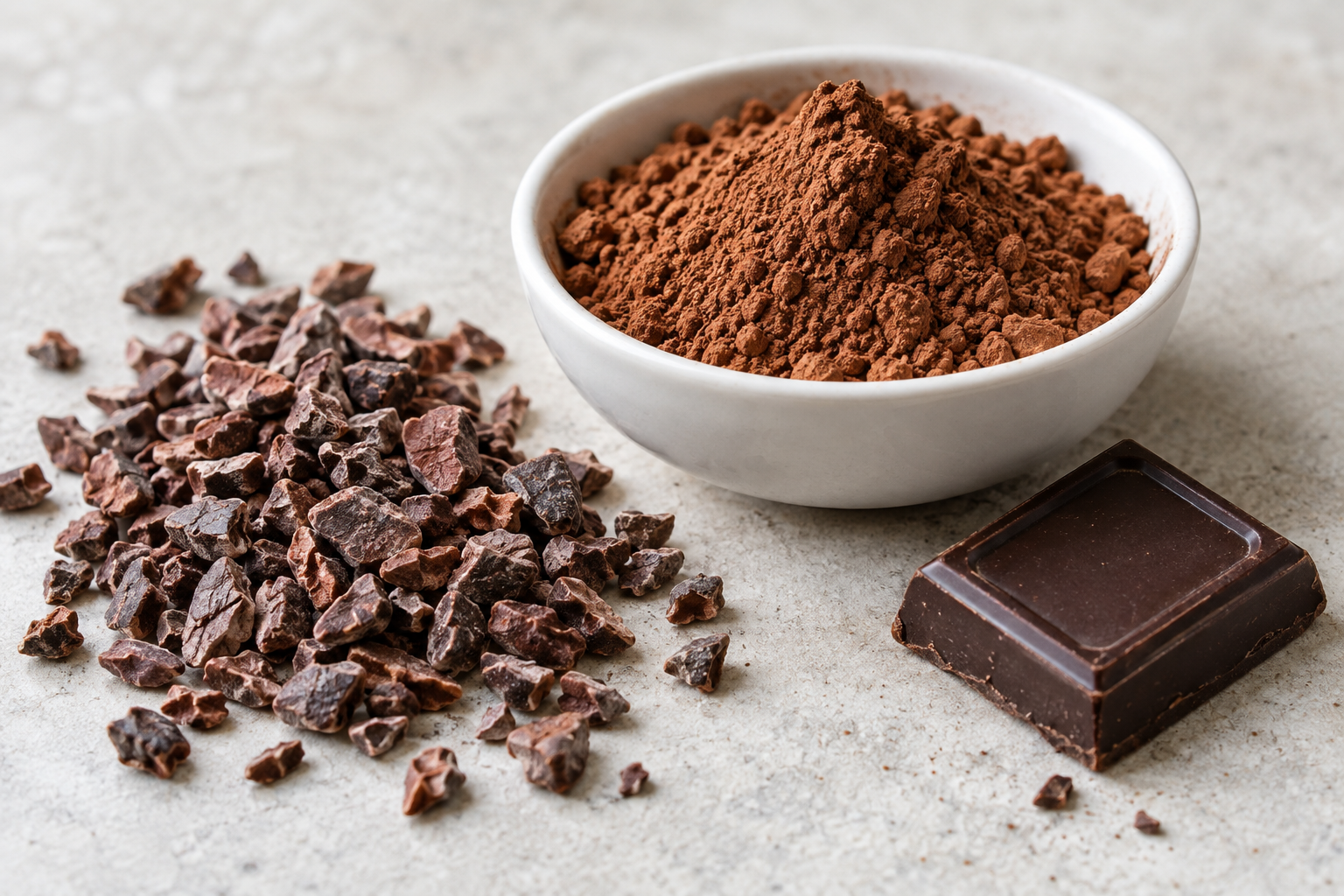
Flavanols belong to a large family of plant polyphenols, but within this family, the names have chemical meaning. Cocoa contains individual flavan-3-ol molecules, including epicatechin and catechin, as well as procyanidins consisting of linked units. Such chains vary in size, so the body is not obligated to treat them the same way. The term "cocoa flavanols" in research denotes a characterized fraction of the product, not any substance from cocoa to which antioxidant properties have been attributed. When comparing supplements, it is important to know exactly what is included in the stated sum.
The mass of the extract and the mass of the flavanols are different quantities. If a capsule contains 500 mg of extract, this does not mean it contains 500 mg of cocoa flavanols: part of the mass is accounted for by other components. The label "polyphenols" also does not always describe the same set of compounds that were measured in a clinical trial. A similar problem arises with the percentage of cocoa in chocolate, since it characterizes the composition of the entire bar, not the concentration of a specific flavanol fraction. A practically useful label reports the amount of the studied substances per daily portion and allows it to be distinguished from the total mass of the product.
Processing of raw materials changes the composition even before the product reaches the human. Alkalization, also known as Dutch processing, is used to change the taste, color, and technological properties of the powder. In an analytical study by Miller and colleagues, the mean flavanol content was 34.6 mg/g in natural powders and 3.9 mg/g in heavily alkalized ones, with intermediate values for less intensive processing. This is a chemical analysis of commercial samples, not a trial of therapeutic effect. It explains why the same spoonful of two different powders does not necessarily provide comparable exposure.
From these results, one cannot derive a universal recipe for converting modern chocolate into milligrams of flavanols. The mean value of a group of samples is not an analysis of a specific brand, and it is even less reliable to transfer it from powder to a bar with a different recipe. The dark color may depend on processing, and the bitterness on several substances, so organoleptic signs do not replace quantitative determination. A buyer can evaluate the taste independently, but a research dose can only be compared with a documented composition. If such information is missing, it is more honest to treat chocolate as a food product with an unknown flavanol dose.
Stereochemistry also matters: molecules with the same formula can differ in the spatial arrangement of their atoms. For biological systems, this is not a decorative detail, since enzymes recognize specific forms of compounds. In a human study by Ottaviani and colleagues, the configuration of catechins influenced their uptake and metabolism. Consequently, claims about "pure epicatechin," a mixture of catechins, and a total flavanol fraction should not be combined into one dose category. For a journal reader, it is sufficient to understand the principle: a similar chemical name does not yet guarantee the same behavior of a substance in the body.
Cocoa also contains substances that are not flavanols, primarily theobromine and a certain amount of caffeine. These can influence post-ingestion sensations, heart rate, and tolerability, whereas sugar and fat determine part of the nutritional value of the final product. Distinguishing these components helps explain why two sources of cocoa can yield different subjective reactions despite a similar taste. This is also important for research: a comparable control should, if possible, differ precisely in the studied fraction. Otherwise, a positive result cannot be confidently attributed to a single component of the mixture.
Flavanols do not have an established deficiency pattern similar to the deficiency of an essential vitamin. The absence of cocoa in the diet does not mean that a person is necessarily lacking epicatechin or that their arteries must become stiff. A person receives various polyphenols from several food groups, and vascular health depends on a multitude of factors. The benefit of a specific intervention is evaluated based on the results of studies, not derived from the assumption that every biologically active substance is required daily. From this perspective, cocoa flavanols are of interest as a studied food component, not as a universally mandatory supplement.
Absorption, metabolites, and vascular signaling
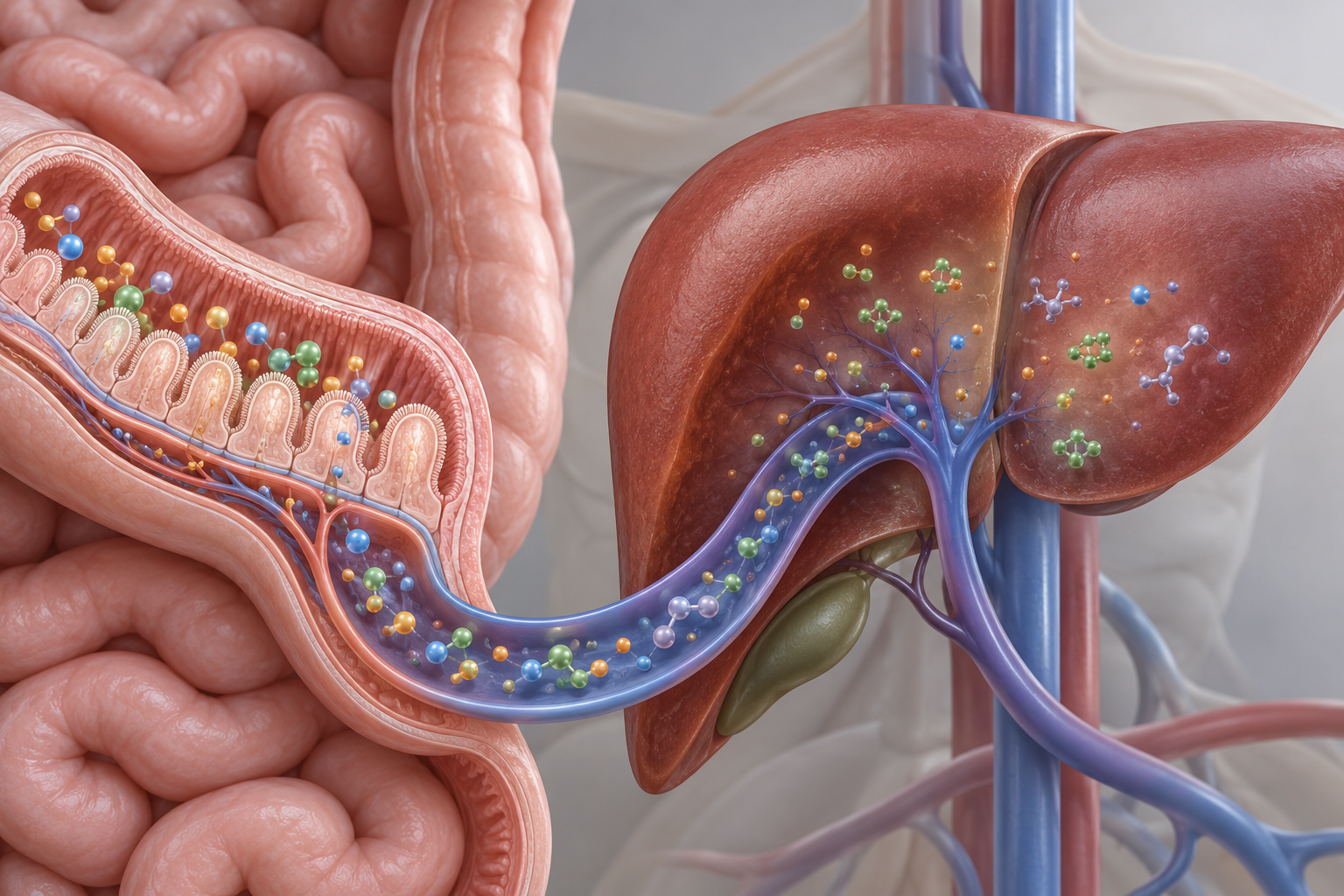
After ingestion, epicatechin passes through the digestive tract and metabolic systems, so its fate is more complex than a simple "antioxidant entering the bloodstream." Some of the compounds are transformed in the intestinal wall and liver, while others become substrates for gut microorganisms. Glucuronide, sulfate, or methyl groups can be added to the original structure; products of ring structure degradation also appear. Such transformations alter solubility, excretion, and potential interaction with cells. It is the circulating metabolites, not just the original molecule from the package, that must be considered when discussing the mechanism.
In a study with labeled epicatechin, eight people received a single 60 mg dose. The authors estimated absorption at approximately 82%, but identified more than twenty metabolites, while unchanged epicatechin in the systemic circulation was below the limit of detection. A significant portion of the transformations was linked to the lower gastrointestinal tract and microbial metabolism. Therefore, the figure of 82% cannot be paraphrased as "82% of active epicatechin reached the organs in its original form." This is an indicator of the fate of the labeled material, which included biotransformation products.
Different stages of metabolism also create different temporal profiles. Early metabolites reflect processes after absorption in the upper gastrointestinal tract, while late ones reflect the contribution of microbial transformations. In individual human studies, the predominant circulating compounds were conjugated forms of epicatechin. Measuring such a compound in the blood confirms exposure, but does not yet determine its effect in every organ. This distinction is especially important for advertising narratives about the direct delivery of epicatechin to the "memory center" or its uniform accumulation in all tissues.
The most compelling physiological line is related to the endothelium—the cell layer on the inner surface of blood vessels. It senses mechanical and chemical signals and participates in the regulation of vascular tone. One of its mediators is nitric oxide, or NO: the formation of this signal is associated with the activity of NO synthase, and its effect on smooth muscles promotes their relaxation. Through the intracellular signaling system, the contractile state of the wall is altered, and the vessel lumen can increase. Here, we are talking about a regulated response of living tissue, not a mechanical "clearing" of cholesterol from an artery.
In a study by Schroeter and colleagues, the ingestion of flavanol-rich cocoa in healthy men was accompanied by changes in vascular response and NO system parameters. The study combined human experiments with experiments on isolated tissue, including rabbit aortic rings. Inhibition of NO synthase eliminated the corresponding vascular response, and the ingestion of pure epicatechin partially reproduced the acute effects of cocoa. Such a sequence supports the involvement of an NO-dependent mechanism. However, it does not show direct binding of each metabolite to the enzyme, nor does it convert an experiment on an animal vessel into clinical proof of disease prevention.
The word "antioxidant" describes a chemical property but is often used too broadly. In a test tube, a molecule can interact with reactive compounds at a concentration that human tissue never reaches after standard intake. In the body, internal enzymes, cellular signals, and repair systems operate simultaneously, and the original substance has already been transformed. Therefore, the result of a chemical test is not equivalent to measured elimination of oxidative damage in humans. To translate mechanistic experience, one must compare the substance form, concentration, and model used with actual human exposure.
A similar rule applies to inflammatory enzymes. Cocoa flavanols have been studied, for example, in experiments with recombinant human 5-lipoxygenase, where inhibition of individual reactions was observed. This is work with an enzyme system that helps formulate a hypothesis but does not establish a cure for an inflammatory disease via a drink or capsule. The presence of a human protein in a test tube does not make the study a human trial. To speak of a clinical anti-inflammatory effect, one requires an appropriate population, comparison, and an outcome significant to the patient.
Microbiota adds individual variability, as the composition and activity of microorganisms differ between people. An experiment with fecal samples from twenty-four healthy donors showed differences in epicatechin conversion during anaerobic incubation. This is an in vitro study with human material, not proof that a specific bacterium predicts vascular improvement after supplementation. One cannot derive a ready-made analysis for a "needed microbiota" or the necessity of a probiotic to enhance cocoa from it. The practical conclusion applies primarily to research: an identical dose taken does not guarantee an identical metabolite profile.
Endothelial function and blood pressure
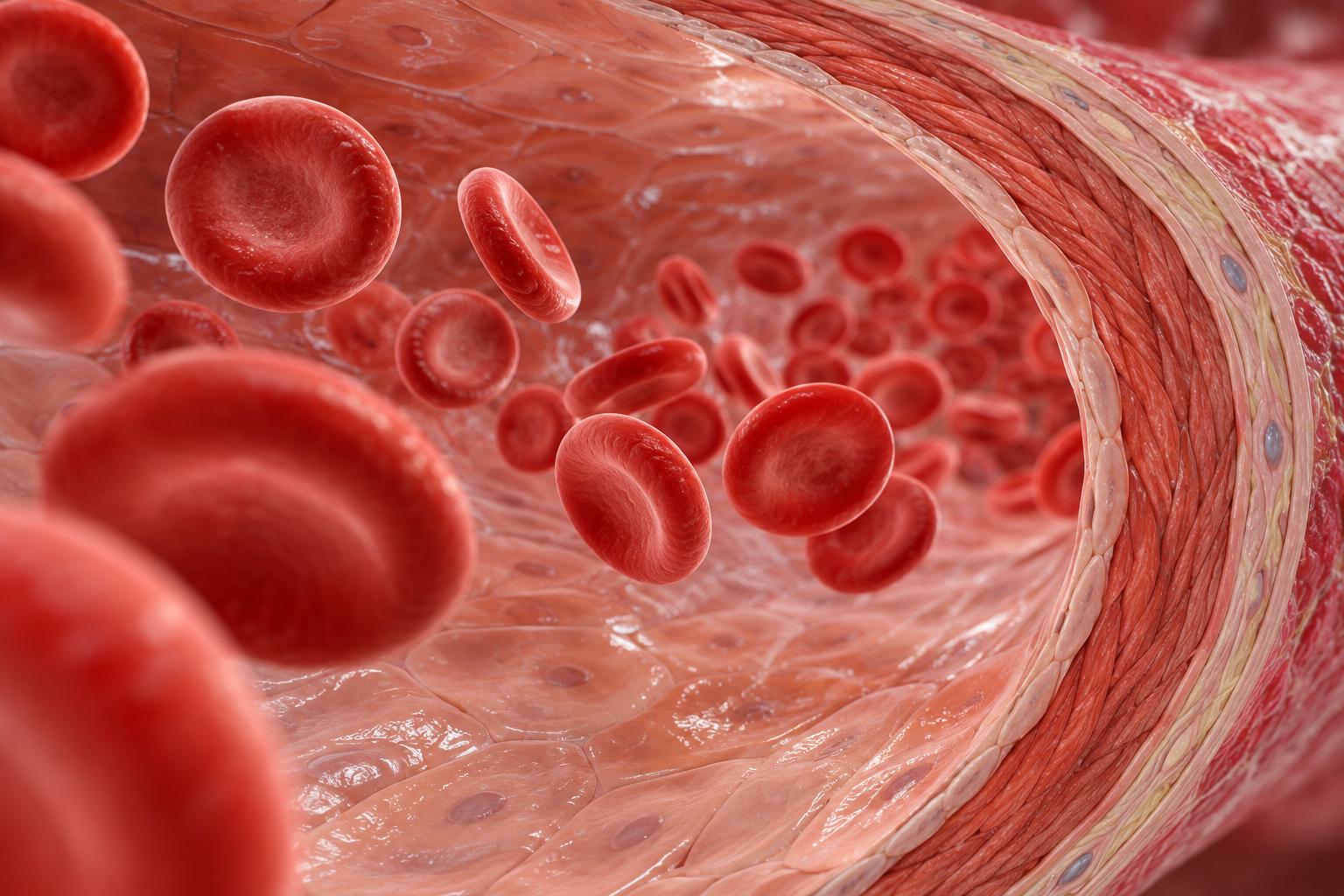
Vascular response is often assessed by flow-mediated dilation of the brachial artery, abbreviated as FMD. After temporary blood flow restriction with a cuff, it is released, flow increases, and the researcher measures the change in vessel diameter using ultrasound. Such an increase in flow creates a stimulus for the endothelium; therefore, the test is used as a functional characteristic of the vascular system. The result is usually expressed as a percentage of the baseline diameter. If an intervention increased FMD by one percentage point, this does not mean the dilation of all arteries in the body by one percent and is not a percent reduction in the risk of myocardial infarction.
In the FLAVIOLA study, one hundred healthy men and women aged 35–60 received a drink containing 450 mg of flavanols twice daily or a comparable control for a month. The difference in FMD between the groups was 1.2 percentage points, with a 95% confidence interval of 1.0–1.4. Systolic and diastolic pressure were lower by 4.4 and 3.9 mmHg, respectively. The authors also evaluated lipids and pulse wave velocity. This is a human randomized study of physiological parameters, with the 900 mg per day dose belonging to a specific drink.
Pulse wave velocity characterizes the propagation of a pressure wave through the vascular system. All other things being equal, a stiffer wall transmits a wave faster, which is why this indicator is used in assessing arterial properties. However, the measurement depends not only on the long-term structure of the wall but also on its current tone and pressure. Even an improvement in such a parameter over a month does not prove the regression of an atherosclerotic plaque. Vascular function, mechanical properties of arteries, and anatomical changes are connected, yet they remain different objects of study.
A broader picture is provided by a 2017 Cochrane review: thirty-five short-term trials, 1,804 participants, with a duration from two to eighteen weeks. Flavanol doses varied from 30 to 1218 mg per day, with the average being about 670 mg. The mean difference in systolic blood pressure was −1.76 mmHg, 95% CI −3.09 to −0.43; for diastolic, it was also −1.76 mmHg, 95% CI −2.57 to −0.94. The review supports a small mean effect of flavanol-rich products but does not record the same response of every person to a specific capsule.
A statistically significant change may remain small compared to typical fluctuations in home measurements. Blood pressure depends on the time of day, recent exertion, body position, rest before measurement, and the cuff used. Therefore, one successful reading after cocoa does not allow one to determine the personal effect of a supplement. For practical assessment, a series of measurements under comparable conditions, consistent with an observation plan, is more important. If a person is prescribed antihypertensive therapy, a possible dietary effect should be viewed within that context, rather than used for self-discontinuation of treatment.
A short-term reduction in blood pressure and the prevention of new hypertension diagnoses are different issues. In the 2025 COSMOS analysis of 8,905 initially non-hypertensive older adults, 500 mg of flavanols daily did not reduce the overall incidence of new hypertension over a median of 3.4 years: HR 0.96, 95% CI 0.88–1.05. In the subgroup with a baseline systolic pressure below 120 mm Hg, the result was positive, HR 0.76. The outcome was defined by reports of a diagnosis, treatment, or elevated blood pressure. These data cannot be extrapolated to the treatment of existing hypertension or used to replace a neutral overall result.
Differences in results do not necessarily imply an error in one of the trials. Short-term studies assess measurable blood pressure or the response of a specific vessel, while long-term studies assess events against a background of changing health, treatment, and behavior. They involve different people, and the product composition, control, and adherence are also not identical. The results are most strongly applicable to the form and situation that were studied. For professional practice, this means it is necessary to first formulate the goal: whether one is interested in a current indicator, stable disease control, or long-term risk reduction.
At this level, the reasonable promise to "support vascular function" ends. It does not require presenting cocoa as a substitute for physical activity, smoking cessation, or prescribed medications. The product may be part of dietary behavior, but its place is determined by the person's entire situation. It is especially important not to translate the percentage change in FMD into a pre-promised percentage of prevented strokes: such an arithmetic bridge was not established by the supplement study. To answer questions about clinical events, a different scale of observation is needed, and it is precisely this that COSMOS addresses.
Cardiovascular events and the COSMOS lesson

COSMOS is important because it shifted the conversation from intermediate markers to disease and death. The double-blind randomized trial included 21,442 people in the U.S.: women aged 65 and older and men aged 60 and older. A daily dose of the extract contained 500 mg of cocoa flavanols, including 80 mg of epicatechin; the median follow-up was 3.6 years. The primary composite cardiovascular outcome was registered in 410 participants in the extract group and 456 in the placebo group. The hazard ratio was 0.90, 95% CI 0.78–1.02, p=0.11: no statistically significant advantage for the primary outcome was established.
The hazard ratio, denoted as HR, describes the comparative intensity of event occurrence while accounting for follow-up time. Its point estimate may look favorable, but the confidence interval shows the uncertainty of the estimate. If the interval includes one, the data do not allow one to confidently distinguish the effect from the absence of a difference within the framework of the adopted analysis. At the same time, such a result does not prove that a possible effect is exactly zero. For an editorial text, it is correct to retain both positions: the direction of the estimate was positive, yet the primary result did not confirm the claimed advantage.
A composite outcome combines several events to assess overall clinical burden and increase the number of observations. However, a heart attack, revascularization surgery, stroke, and cardiovascular death have different meanings for a patient. Therefore, the result of a combined indicator cannot be automatically translated as proven reduction of each of its components. Similarly, a reduction in one individual component does not guarantee an improvement in the entire complex of outcomes. This feature is particularly important when a brief advertising summary selects the most impressive number from a large table.
In COSMOS, cardiovascular mortality as a secondary outcome was lower: HR 0.73, 95% CI 0.54–0.98. This is a significant signal for further study, which should be reported alongside the primary result. However, analyses of secondary outcomes were not adjusted for multiple comparisons, so each individual favorable value requires context. The more independent questions are tested on the same data, the higher the probability of accidentally obtaining a seemingly convincing result. The publication leaves room for subsequent research rather than establishing a universal indication for the extract to prevent death.
The absolute significance of an effect depends on the baseline risk. The same relative change carries a different practical value for a person with a low probability of an event compared to a patient at high risk. Age, existing diseases, and current treatments alter this probability, as well as the potential tolerability of a product. One cannot take a relative figure from a trial of elderly Americans and promise the same result to a young person without additional data. Professional guidance requires an assessment of the situation first, followed by a discussion of how well the studied intervention corresponds to it.
Long-term data help evaluate other metabolic promises as well. A separate COSMOS analysis included 18,381 individuals without diabetes at baseline; over a median of 3.5 years, the extract did not reduce the incidence of type 2 diabetes. The HR was 1.04, 95% CI 0.91–1.20. This result pertains to the prevention of new diagnoses, not to changes in insulin levels after a single drink or the treatment of existing diabetes. It demonstrates why a favorable laboratory mechanism does not replace a clinical outcome trial.
When reading multiple COSMOS publications, it is important to remember that they belong to the same research program. Analyses of blood pressure, diabetes, vascular events, and memory answer different questions but are not four independent repetitions of the same result. The shared population, product, and study conditions create a connection between them. Therefore, the number of references should not be turned into an artificial number of independent confirmations. A good knowledge base illustrates the structure of evidence so that a specialist can see both the scale of the program and the limits of the reproducibility of results.
Funding is also part of this structure. COSMOS received support from the NIH and Mars Edge, and employees of cocoa manufacturers participated in a number of mechanistic and short-term studies. This does not automatically make the data incorrect, but it requires transparency in the description of the product, the control group, and the selected outcomes. It is useful to separate the manufacturer's involvement from the quality of the design itself, evaluating each question on its merits. The practical conclusion of a large trial remains definitive: the data do not provide a basis for promising myocardial infarction prevention to every buyer of cocoa flavanols.
Memory, cerebral blood flow, and the boundaries of cognitive data

Memory is not a single ability that can be measured by a single universal test. Word recall, image recognition, attention maintenance, and action planning require partially different processes. The hippocampus is involved in the formation of specific types of memory, and its dentate gyrus is considered one of the studied areas of age-related changes. However, the association of a test with the function of a brain region does not mean that the test result measures the concentration of a substance in that area. This is where scientific phrasing most often turns into an incorrect story about "delivering epicatechin to the hippocampus."
An early 2014 study by Brickman and colleagues included 37 healthy sedentary adults aged 50–69: it compared drinks with 900 mg and 10 mg of flavanols per day, with additional stratification by aerobic exercise assignment. Over three months, cognitive tasks and blood volume in the dentate gyrus were assessed via imaging. The positive findings helped formulate a hypothesis about the link between dietary flavanols and specific aspects of cognitive aging. At the same time, the vascular imaging marker was not a measurement of the number of new neurons. The work did not prove either the accumulation of the original molecule in the human brain or the prevention of dementia.
The larger COSMOS-Web trial included 3,562 elderly participants who received 500 mg of flavanols per day or a placebo as part of a three-year intervention. The pre-specified primary outcome—the change in immediate word recall after one year—did not show a benefit in the entire sample. The standardized effect size was d=0.025, p=0.42. Positive results were found in participants with lower-quality baseline diets or lower habitual flavanol intake. These observations concern the dependence of the response on the baseline situation, not a universal memory enhancement.
Repeating a cognitive task by itself can improve the result. A person remembers the instructions, masters a strategy, and feels less anxious during the next presentation, even if the studied product has changed nothing. Therefore, comparing "before and after" without appropriate controls can create a false impression of benefit. In a randomized trial, the difference between groups is what matters, not just positive dynamics within the supplement group. This principle explains why the subjective feeling of clarity after a drink and the result of a controlled test answer different questions.
The baseline quality of nutrition cannot be reduced to a single substance. A more diverse diet may be accompanied by other dietary components, behavioral patterns, and health statuses. Metabolite biomarkers help to refine exposure but do not establish a full diagnosis of "flavanol deficiency." Even if a subgroup result is positive, it is necessary to understand how it was defined and whether the effect is reproducible in an independent trial. For practice, this is primarily a reason to discuss the entire diet more carefully, rather than prescribing an analysis of urinary metabolites to every person complaining of memory issues.
In COSMOS-Mind, a broader set of cognitive functions was assessed using annual telephone tasks. In 2,262 elderly participants, a daily extract of 500 mg of flavanols over three years showed no cognitive benefit: the difference in the global standardized score was 0.03, 95% CI -0.02…0.08, p=0.28. The result should be distinguished from the effect of a multivitamin intervention, which was simultaneously investigated in a factorial design. Having two interventions in the same program does not allow attributing the positive result of another product to flavanols. Comparing this study with COSMOS-Web shows how important the specific task and the chosen population are.
Animal experiments can study neuronal structure, vascular networks, or cellular pathways in significantly more detail than human trials. But the result obtained in such a model depends on the animal species, dose, and method of administration. Neurogenesis identified by a specific method in an experimental system cannot be declared an established effect of a regular serving of chocolate in an adult human. The gap between data levels is particularly large when it comes to the prevention of neurodegenerative diseases. This requires appropriate participants, long-term observation, and a clinically significant outcome, not just improvement in a single task.
With escalating memory problems, choosing a supplement does not replace identifying the cause. Cognitive status can be affected by sleep, mood, medication effects, and medical conditions, all of which require separate assessment. Cocoa can be included in the diet based on taste and tolerability, but using it as an independent diagnostic experiment is unreasonable. If a professional discusses flavanols, it is useful to specify a measurable goal and timeframe in advance, without promising to change the "biological age of the brain." Available trials provide material for studying cognitive mechanisms, but not a ready-made standard for treating memory disorders.
Doses, product, and practical application

The number 200 mg comes from a specific 2012 EFSA scientific opinion. The authority recognized the link between the consumption of cocoa flavanols and the maintenance of normal endothelium-dependent vasodilation, which contributes to normal blood flow. For this physiological claim, 200 mg daily is specified; examples of delivery include 2.5 g of high-flavanol powder or 10 g of high-flavanol chocolate. The word "high-flavanol" is essential here: the figures do not describe any powder or any chocolate bar. A conclusion regarding the substantiation of a health claim is not an approval of a drug for vascular disease.
Doses of 200, 500, and 900 mg do not automatically form a ladder of increasing benefit. They belong to different studies and questions: a physiological claim, a long-term program with an extract, and a short-term beverage trial. A higher dose in one work may reflect the authors' choice, not a proven optimum for every person. Furthermore, extracts and food products differ in their matrix and additional substances. Selecting a portion on the principle of "I will take the maximum from all publications" means mixing incompatible conditions.
The first practical question is whether the flavanol dose of a daily serving is known. The next is whether the name of the measured fraction corresponds to what is indicated in the source and if the determination method is provided. Then, additional components are assessed: caffeine, theobromine, sugar, fat, flavorings, and potential allergens. This information helps to distinguish the transfer of a scientific dose from choosing a product based on a general impression. If the manufacturer reports only the mass of the mixture and the word "antioxidants," the possibility of such a transfer remains limited.
For example, a hypothetical package might report 500 mg of extract and 100 mg of flavanols per serving. In this case, the number 500 does not correspond to the COSMOS flavanol dose, despite the external coincidence. Increasing the number of servings will also increase the intake of all other components and will not automatically make the mixture equivalent to the research product. This is an arithmetic example of label reading, not a characteristic of a specific brand. It shows why a professional discussion begins with the name of the unit of measurement, not with the largest number on the front of the packaging.
For dietary options, it is useful to consider the entire diet. Adding a large portion of chocolate for the sake of an unknown flavanol content simultaneously changes the energy value and nutritional composition. If a product replaces another sweet, the outcome will differ from a situation where it is simply added to the usual menu. A beverage without a large amount of sugar may be convenient in terms of taste, but this does not yet communicate its research dose. Flavanol dosing and dietary choices are related, yet they require two different assessments: how much of the substance under study is being consumed and how much of the total product the individual is receiving.
When discussing the assumed impact on blood pressure, the method of observation must be determined in advance. It is useful to maintain consistent measurement conditions and note other changes, including treatment, physical activity, and body weight. Starting multiple interventions simultaneously will make it difficult to understand the individual response. At the same time, it is not necessary to independently order FMD or an extended "oxidative stress" panel to decide whether a person likes cocoa and tolerates it well. A research indicator becomes clinically useful only when its result is truly capable of changing a decision.
Neutral dynamics are not a reason to increase the dose indefinitely. First, one should clarify whether the intended goal was measured, whether the product is comparable, and whether an effect was expected that the trial did not actually demonstrate. If the goal is to control hypertension or high cardiovascular risk, the next step is to discuss proven methods with a treating specialist. If the task is dietary in nature, the sustainability of the chosen diet and tolerability are more important. This approach allows one to abandon a useless supplement without concluding that all mechanistic data on cocoa are erroneous.
Cocoa flavanols also do not replace the missing assessment of medical causes for symptoms. A person with chest pain, pronounced palpitations, or a sudden impairment of function should not test the vascular theory on themselves with a beverage. For them, the cause of the symptom and timely assistance are significant. In a normal situation, reasonable application begins with a clear goal, documented composition, and consideration of contraindications. It is this sequence that turns an interest in experimental physiology into careful practical work.
Safety, methylxanthines, and batch quality
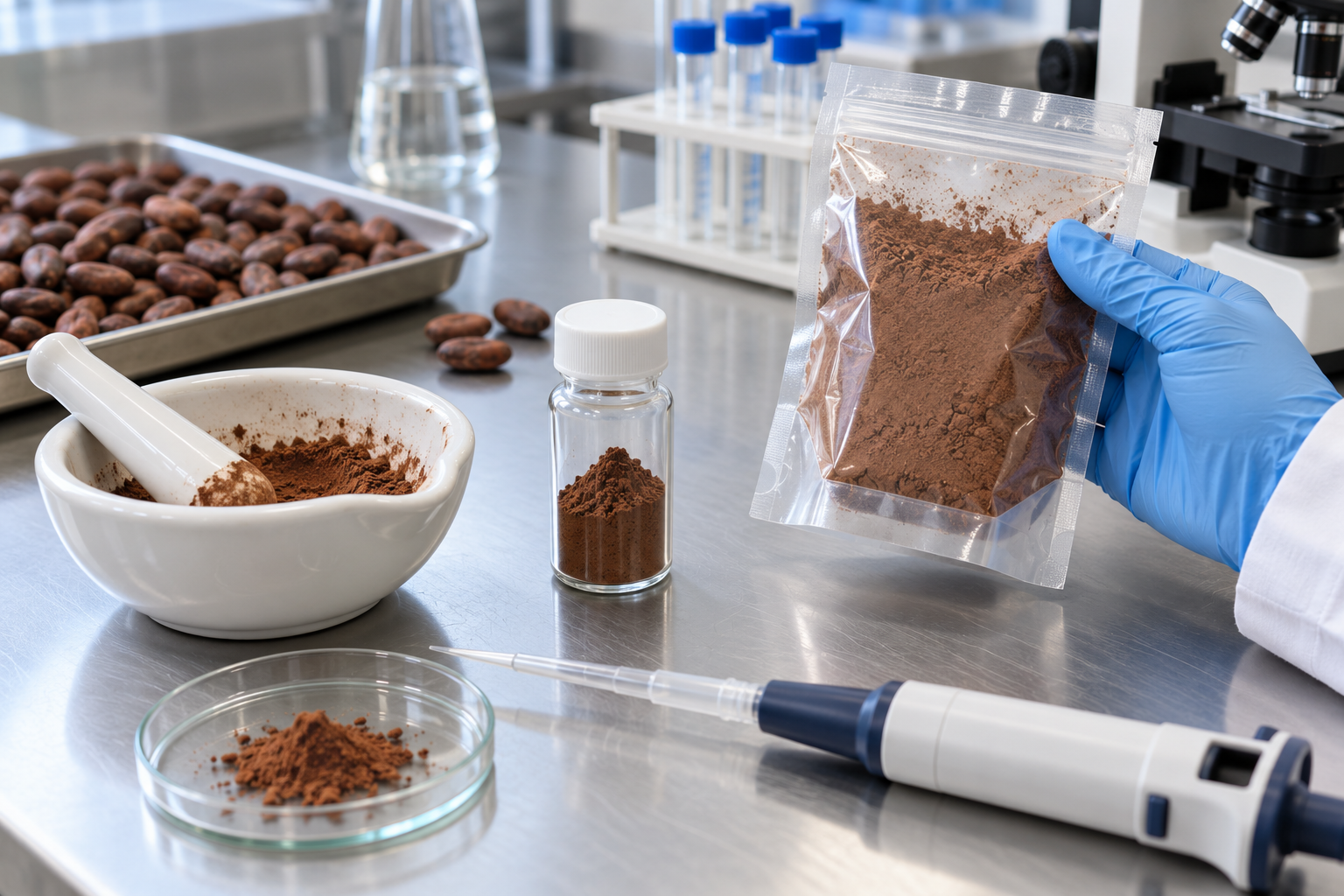
Short-term tolerability has been investigated separately from preventive outcomes. In the work of Ottaviani and colleagues, after an open-label dose-escalation phase, a double-blind comparison was conducted in healthy adults aged 35–55: 46 individuals received up to 2000 mg of flavanols per day, while 28 received a control, over twelve weeks. Adverse events were mild and did not differ significantly between groups; no clinically significant changes in the investigated metabolic markers were identified. This is a useful result for a specific form and sample. It does not establish a lifelong safe upper limit and does not make 2000 mg a recommended quantity.
In the same trial, no significant change in platelet function was found. Therefore, it cannot be used as evidence of clinical "blood thinning" by cocoa flavanols. At the same time, the absence of a detected effect in a small healthy sample does not establish the safety of all combinations with anticoagulants or antiplatelet agents. With such therapy, it is important to state the specific product and its composition to a specialist, especially if the mixture contains other active ingredients. Scientific uncertainty here requires a targeted analysis of the combination, rather than a universal statement about prohibition or complete safety.
Methylxanthines represent a separate part of the composition. In a study by Baggott and colleagues, single doses of theobromine at 250, 500, and 1000 mg were compared with placebo and 200 mg of caffeine in a crossover design. Theobromine dose-dependently increased heart rate; at high doses, unpleasant sensations, headache, and nausea occurred more frequently. This trial tested theobromine, not flavanols, so the result should not be attributed to the entire flavanol fraction. However, it refutes the categorical statement that a cocoa component is incapable of affecting pulse rate.
Real exposure depends on the specific product and the total sum of sources. The COSMOS extract had about 15 mg of caffeine and 50 mg of theobromine in a daily dose, but another powder or mixture may have a different composition. Coffee, tea, energy drinks, and medications containing caffeine are added to this picture. If one is prone to heart palpitations, unpleasant stimulation, or sleep disturbances, it is useful to consider the entire combination rather than just the word "cocoa" on the packaging. The lower stimulatory activity of theobromine compared to caffeine does not mean a complete absence of physiological effect.
The boundaries of a research sample also relate to safety. The COSMOS study did not include people with specific severe conditions, including renal failure, or those with pronounced caffeine sensitivity. Therefore, the result regarding tolerability cannot be automatically applied to every patient with such characteristics. For pregnancy, breastfeeding, and childhood, the aforementioned adult trials do not provide an independent basis for recommending concentrated extract. A food serving and a standardized supplement require different discussions, especially if a person is receiving multiple medications simultaneously.
Contaminants are not directly linked to the claimed flavanol concentration. A good content of the studied fraction does not indicate how much cadmium or lead is in a specific batch. EFSA uses a tolerable weekly intake (TWI) of 2.5 µg/kg body weight for cadmium, which refers to the entire diet and chronic exposure. This is not a universal "permissible cocoa dose," as the concentration of the metal in the product and other sources are unknown. Documented information about a batch allows for a specific discussion of risk without declaring all cocoa products dangerous in advance.
When consuming powder regularly, the quantity of the product, duration of use, and available quality control data are important to a professional. Even a low concentration of a contaminant has a different meaning when consumed in rare, small portions versus a constant large amount, and a one-time finding does not equate to a diagnosis of chronic poisoning. If data is unavailable, it cannot be replaced by promises of "pure origin," the color of the powder, or the word "organic." Similarly, a published analysis of someone else’s batch is not evidence of the quality of the current packaging. This is a matter of traceable food raw materials, which remains separate from the discussion of flavanol efficacy.
Finally, tolerability is assessed by the individual, not just by a statistical table. Pronounced palpitations, persistent nausea, allergic manifestations, or a noticeable deterioration in well-being require the cessation of a self-experiment and an evaluation of the cause. Discomfort should not be considered an obligatory sign that "antioxidants are working." Cocoa flavanols have interesting human physiology and moderate effects on individual indicators, but neither the mechanism nor the natural origin exempts the product from standard requirements for composition and safety. The most useful result of reading this article is the ability to distinguish which effect is confirmed, by which product, and for which situation.