Morning coffee is often perceived as a small everyday aid: it makes it easier to open emails, get ready before a workout, or cope with an early rise. But this habitual beverage delivers a substance that alters signal transmission in the nervous system and remains in the body much longer than the sensation of alertness lasts. Therefore, a successful caffeine consumption regimen is determined by more than just the number of cups: timing, serving size, sleep, medications, and individual response are all important. Once these connections are understood, it becomes easier to use the stimulant consciously and notice the moment it starts to interfere.
Caffeine is studied both as a separate substance and as a component of coffee, tea, or sports products. These studies answer different questions: the effect of a specific dose on sleep cannot be automatically transferred to any beverage, and the result of a cycling trial cannot be applied to an entire workday. Below, the mechanism is linked to specific studies in humans, and general safety limits are separated from personal tolerance. The figures here are for decision-making, not for finding a maximum tolerable dose.
Adenosine, alertness, and gradual habituation
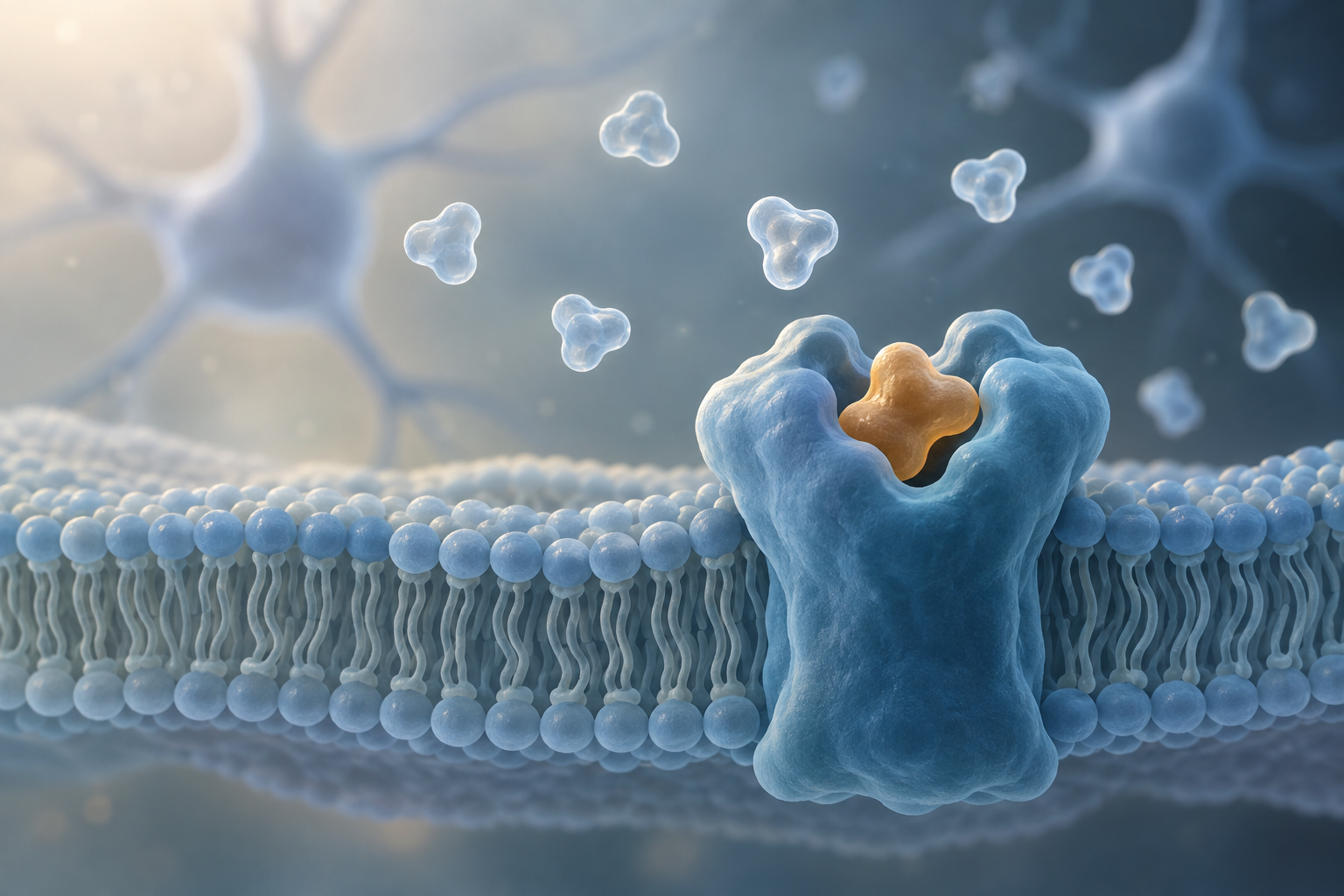
Caffeine belongs to the methylxanthines — compounds capable of interacting with adenosine receptors. Adenosine is involved in the regulation of neural network activity and is linked to the growing need for sleep during wakefulness. A receptor can be visualized as a protein that recognizes a chemical signal and triggers a cellular response. Caffeine occupies these receptors, primarily A1 and A2A, and reduces the action of adenosine without eliminating the causes of fatigue or replacing the restorative processes that occur during sleep.
This explains a familiar combination: a person feels more focused, even though they objectively still need rest. The perception of sleepiness and the function of networks that maintain wakefulness change; the sleep debt does not decrease as a result. Caffeine also interacts with signaling systems related to dopamine, but the description that "the beverage produces the pleasure hormone" is too crude for this physiology. The primary effect of typical dietary doses is related to blocking adenosine receptors, rather than producing extra energy from nothing.
The action on receptors has been demonstrated directly in humans. In a study by Elmenhorst and colleagues, positron emission tomography (PET) was used — a method that allows for tracking the distribution of a labeled substance that binds to A1 receptors in the brain. After caffeine administration, the availability of these receptors for the tracer decreased in proportion to the caffeine concentration. Such an observation confirms the interaction of the substance with its target in the living brain, but by itself, it does not measure productivity, mood, or sleep quality.
It is important to distinguish this mechanism from effects observed at very high laboratory concentrations. Caffeine is capable of influencing other cellular processes as well, including enzymes that break down cyclic nucleotides and intracellular calcium exchange. However, describing a cup of coffee through any pathway discovered in a test tube easily creates an incorrect perception of its impact. For typical consumption, it is more useful to rely on receptor action and observed changes in alertness, sleep, and tolerance than to list all the biochemical possibilities of the molecule.
With regular consumption, some sensations become less pronounced: tolerance develops. This is an adaptation to repeated exposure, and it does not necessarily affect alertness, blood pressure, anxiety, and sleep in the same way. One cannot conclude from the single sign that "coffee no longer provides a boost" that the body is fully protected from other effects. Increasing the dose in response to a diminished habitual sensation can maintain a cycle in which more and more caffeine is required for a similar subjective result.
At the cellular level, A1 and A2A are involved in different signaling circuits: they are not two identical sleep buttons. A1 receptors are often linked to a decrease in excitatory transmission, while A2A effects depend on receptor location and interaction with other systems. Therefore, blocking adenosine should not be understood as an uniform increase in the activity of all brain cells. The organism maintains a multitude of regulatory mechanisms, and the final sensation arises from their combined work. This explanation is more accurate than the everyday model in which caffeine simply turns off a single fatigue center.
For a regular consumer, a morning cup sometimes simultaneously stimulates and relieves symptoms that appeared after an overnight break. Therefore, comparing one's state "after coffee" with a state "without morning coffee" does not always show a net increase in baseline performance. Part of the difference may be explained by reversible deterioration following the cessation of habitual substance intake. This does not make the feeling of relief illusory, but it changes its interpretation: restoring one's habitual state and enhancing capabilities beyond it are different outcomes.
For daily practice, it is useful to ask what task caffeine is solving on a given day. When waking up early, a small habitual portion may help you get started, whereas in cases of chronic sleep deprivation, increasing the dose only partially hides the problem. If more and more stimulant is required, it is worth considering your sleep schedule and the causes of fatigue, rather than just changing the type of coffee. Alertness after a drink is a real sensation, but it should be assessed alongside subsequent anxiety, evening sleep onset, and how you feel the next day.
Absorption, the liver, CYP1A2, and different forms of caffeine
After ingestion, caffeine is absorbed quite rapidly from the digestive tract and enters the bloodstream. It crosses the blood-brain barrier—a system that limits the penetration of substances from the blood into the brain—and is therefore capable of affecting the central nervous system. According to the official explanation by EFSA, stimulating effects can begin 15–30 minutes after intake. The onset of sensations and the maximum concentration are not the same event: the speed depends on the form of the product and the conditions of consumption.
Primary processing takes place in the liver, where enzymes chemically alter the molecule. CYP1A2 is particularly important: its name refers to an enzyme of the cytochrome P450 system, and the corresponding gene contains the instructions for its formation. One of the main products of caffeine metabolism is paraxanthine; theobromine and theophylline are also produced. These metabolites then undergo further transformation and are excreted, primarily in urine. This is a sequential process, so going to the bathroom shortly after coffee does not mean that the stimulant has already fully left the body.
Absorption and excretion determine different aspects of action. The former describes the entry of the substance from the product into the bloodstream, while the latter describes the decrease in its quantity after distribution and processing. Food and the specific form can change the uptake profile, but a delayed onset of sensations does not mean a lower total dose. Similarly, a rapid appearance of alertness does not prove that the substance will disappear quickly thereafter. When evaluating a product, these processes must be separated: a promise of "fast acting" says nothing by itself about how easy it will be to fall asleep in the evening.
The speed of this system varies between people and changes throughout life. It can be affected by pregnancy, liver condition, smoking, and medications. Repeated doses are also important: a new portion is added to the substance remaining from the previous one. If cups follow one another, the concentration is determined by the entire sequence of intake, not just the last drink. This is why a diary recording the time and amount of caffeine is more informative than a simple answer of "I drink coffee in moderation."
Caffeine from a tea leaf and caffeine added to a pill are the same molecule. The label "natural" does not create a different safety mechanism, although the product itself may contain other components and differ in dosage. Coffee and tea, for example, deliver polyphenols, while a sweet energy drink additionally contains sugar; these differences cannot be attributed to caffeine itself. The FDA emphasizes that natural and added sources should be combined when calculating intake.
A practical difference between a pill and a cup usually consists of how definitively the dose is known. For a labeled product, the quantity may be specified in milligrams per pill or serving, whereas a coffee beverage depends heavily on the recipe and volume. However, an accurate label does not make a large dose reasonable and does not exclude errors when combining several products. A capsule, coffee, and a pre-workout mixture may look like different habits, although for the body, their caffeine adds up to a single load.
Forms with contact with the oral mucosa, such as certain chewing products, may have a different uptake profile than a regular capsule. But one cannot derive a universal rule from this that one form is always better or gentler than another. For a meaningful comparison, an identical dose, conditions of intake, and measured results are required. Transferring a regimen from a capsule trial to an unfamiliar mixture with other stimulants is particularly unreliable: here, not only the delivery of the substance changes, but also the composition of the impact.
The speed of the perceived effect also does not suggest when it is safe to repeat a dose. A person may stop noticing stimulation while caffeine is still circulating in the blood and affecting evening sleep. Therefore, a regimen should not be built solely on the signal of "wanting to be alert again." It is much more useful to understand the amount in the product in advance, account for previous intakes, and choose a form for which the dose is sufficiently transparent. Such a strategy ties the habit to physiology, rather than to a marketing promise of a quick result.
Sleep, half-life, and human research results

Half-life is the time it takes for the concentration of a substance to decrease by approximately half. The EFSA cites an average value of about four hours for healthy adults, with a wide range of approximately two to eight hours. This is not the time for complete caffeine elimination, nor is it an individual timer that can be precisely calculated based on age or weight. If we conventionally assume a half-life of four hours, then from a 200 mg dose, about 100 mg will remain after four hours, and about 50 mg after eight; this is an illustration of a model, not a measurement of a specific individual.
Residual effect is important even when falling asleep seems normal. Sleep is characterized not only by the moment of closing one's eyes: its duration, nighttime awakenings, and the distribution of stages matter. NREM sleep includes several stages, among which N3 is distinguished by slower brain electrical activity; REM sleep has a different profile of activity and eye movements. Caffeine can affect individual parameters differently, so it cannot be assumed that it always "removes deep sleep" in the same way or necessarily shortens every phase.
In a small randomized crossover study by Drake et al., 12 adults received 400 mg of caffeine zero, three, or six hours before their usual bedtime, or a placebo. Each participant experienced different conditions, which allowed for comparing the person against themselves. Objective measurements showed sleep disturbance even when taken six hours prior, with a reduction in total duration of more than an hour. The dose was high and the sample size small: such a result cannot be translated into a promise of identical sleep loss after every cup.
A more recent study separately examined dose size and timing. In a double-blind, crossover trial of 23 men, averaging about 25 years old, a placebo was compared with 100 mg and 400 mg of caffeine at 12, eight, or four hours before bedtime. At 100 mg, no statistically significant deterioration of the investigated parameters was found, whereas 400 mg disrupted sleep and could alter its architecture even with early intake. In particular, changes affected N3; the proximity of intake to nighttime intensified a number of disturbances.
Objective recordings and feelings sometimes diverge, which was also noticeable in the Drake study. When taken six hours before, the disturbance was detected by the device, whereas the subjective diary did not reflect it just as clearly. Therefore, the phrase "I can fall asleep after coffee" answers only part of the question. To evaluate a regimen, it is useful to consider nighttime awakenings, actual sleep duration, and the state after waking up. A wearable device can help notice trends, but its assessment of individual stages should not be equated to a clinical sleep recording.
These results help explain why two people give opposite advice about evening coffee. One may drink a small portion, another a beverage with multiple espresso shots; both the rate of elimination and baseline sleep differ. Furthermore, the absence of a statistically significant effect in a group of young men does not prove that 100 mg before sleep is suitable for every person. In cases of insomnia, pregnancy, or marked sensitivity, the conditions of this trial cannot be considered personal permission.
A practical strategy consists of limiting late intake and observing one's own sleep. For a significant dose, an interval of at least six hours before sleep has experimental support, but some people need an earlier final intake. It is useful to change only one parameter at a time: for example, move the last cup while keeping the morning one, and compare falling asleep and morning well-being. If coffee, work schedule, and bedtime are all changed together, it is significantly harder to determine the cause of improvement or deterioration.
Sleep after caffeine should also be assessed in the context of the next day. Late stimulation may help finish work, but a shortened night increases the probability of reaching for a stimulant again in the morning. This is not an inevitable scenario for every consumer, but a clear risk of a regimen where a substance constantly compensates for the consequences of the previous intake. If daytime sleepiness remains severe with sufficient time in bed, it should be discussed with a doctor. Continuing to increase the dose instead of finding the cause is a weak strategy, even with temporary relief.
Sports and performance: what was actually measured

In sports, caffeine is used to support exercise performance, but the effect depends on the task at hand. A cycling time trial, a strength set, precision movement, and prolonged mental work have different limitations. Therefore, the general term "performance" must be linked to a specific metric: time to completion, work done, reaction time, or error rate. Caffeine does not replace training adaptation, adequate nutrition, or recovery, although under specific conditions it can offer a small advantage.
One illustrative experiment examined relatively low doses. In a randomized study by Jenkins and colleagues, 13 cyclists received a placebo or 1, 2, or 3 mg/kg of caffeine one hour before a protocol that included intense riding and a 15-minute performance trial. At 2 mg/kg, the work performed increased by approximately 4%, with a 95% confidence interval of 1.0 to 6.8%. This is the result of a specific laboratory task, not an expected boost to the speed of any workout.
At 3 mg/kg, the average improvement in the same experiment was about 3%, but the confidence interval included a lack of effect. The higher of these doses did not show convincing superiority over the lower one. Participants differed noticeably in their response, and ratings of perceived exertion and pain did not change. Such a result is useful precisely for its specificity: it shows that physiological explanations and average group gains do not allow for the prediction of any individual athlete's sensations or outcome.
In a larger trial by Guest and colleagues, 101 male athletes performed a 10 km cycling distance after a placebo, 2, or 4 mg/kg of caffeine. In the overall group, at 4 mg/kg, the time was approximately 3% less than with the placebo. However, the researchers simultaneously discovered differences between CYP1A2 genotypes, to which we will return later. The dosage here is higher: for a 70 kg person, 4 mg/kg equals 280 mg, which exceeds the EFSA guidance of 200 mg for a single dose without concerns for healthy adults.
A research dose is not an automatic recommendation for the consumer. Participants are selected based on criteria, effects are studied according to a protocol, and the result pertains to a specific workload. If a small dose already causes tremors, anxiety, or unpleasant heart palpitations, increasing the amount for the sake of a presumed percentage of advantage seems particularly unjustified. Conversely, a lack of unpleasant sensations in one workout does not guarantee normal sleep after the same intake late in the evening.
Mental work requires similar attention to the endpoint. In a cross-over study by Carswell and colleagues, 18 adults received 3 mg/kg of caffeine or a placebo; both cycling performance and psychomotor vigilance—that is, the speed and stability of reaction to a signal—were evaluated. Observations from such tests cannot be directly translated into improved quality of complex professional decisions. Faster reaction times might be useful, but they do not equate to better argumentation, creativity, or error-free execution of all work.
Timing is sometimes more important than trying to find a particularly strong product. For a morning workout, a known small portion can be convenient, whereas before an evening competition, the potential gain must be weighed against the subsequent night's sleep. It is reasonable to assess tolerance in familiar conditions beforehand, taking into account caffeine from both beverages and mixtures together. The first experience with a high dose on the day of an important event creates unnecessary uncertainty. Practical success here consists not of maximal stimulation, but of an acceptable balance between result, well-being, and recovery.
Genetics and individual differences without labels

The CYP1A2 gene often appears in commercial explanations of who "can have coffee." In reality, a genetic variant is only one of the reasons for differences in substance metabolism. A genotype describes a DNA sequence, whereas the phenotype here would be the actually observed rate of metabolism or response to caffeine. Between them lie the action of the enzyme, external factors, and the state of the body. Therefore, convenient labels like "fast" and "slow" should not turn into a lifetime safety prediction.
In the Guest study, the rs762551 variant, also designated as −163A>C, was studied. In men with the AA genotype, cycling trial time decreased by 4.8% after 2 mg/kg and by 6.8% after 4 mg/kg relative to the placebo. In the AC group, no distinct effect was found, and in the CC group, the high dose was accompanied by a worsening of results. These figures characterize subgroups of a single experiment, and the size of the individual subgroups was significantly smaller than the total sample. They show the possibility of a gene-dose interaction, but do not establish a universal prescription scheme.
The picture is not reduced to a single convincing positive result. In the Carswell trial with 18 adults and a 3 mg/kg dose, no genotype interaction with improvement in cycling performance was found. Some differences were detected for cognitive indicators, but they did not replicate the simple conclusion that "a gene determines benefit in all tasks." Different protocols, small groups, and the choice of endpoints are capable of changing the observed picture. For a personal recommendation, significantly more information is required than the result of a single DNA variant.
Another level of variability is associated with the sensitivity of the nervous system. ADORA2A is the gene for the A2A receptor, the target through which adenosine influences cellular signals. If CYP1A2 helps explain the processing of the substance, then receptor variants relate to how tissue responds to its presence. These processes can combine in different ways: rapid excretion does not necessarily mean the complete absence of anxiety, and a pronounced reaction does not prove slow metabolism.
In a double-blind study by Alsene and colleagues, 94 healthy individuals who rarely consumed caffeine received 150 mg or a placebo. Certain associated ADORA2A variants were linked to more pronounced subjective anxiety after caffeine. Participants reported their state, and the experiment did not establish a diagnosis of an anxiety disorder, nor did it determine a safe dose for each genotype. Nevertheless, it illustrates that unpleasant sensations may depend on more than just the amount of the beverage or the habit of consuming it.
For a specialist, it is important not to confuse genetic association, measured concentration, and clinical decision. A DNA variant cannot directly tell you how much caffeine remains in the blood in the evening, nor can subjective alertness determine its rate of excretion. Particular caution is needed when drawing conclusions about pregnancy, heart conditions, or medications: the sports genetic test did not study these situations. Purchasing a genetic test does not in itself solve the task of adjusting a regimen and does not replace the monitoring of symptoms.
In everyday life, it is more useful to start with accessible signs of response. Anxiety after a regular portion, noticeable palpitations, difficulty falling asleep, and the need to constantly increase the amount all matter. These observations do not replace diagnostics, but they help to understand whether the current habit is suitable. If a previously tolerated dose suddenly begins to act more strongly, one should consider changes in medications, smoking, health, and routine. Individual reaction is better described as a changeable combination of factors than as a rigid affiliation with a single genetic type.
Beverages, Doses, Consumption Regimen, and Withdrawal

To manage the dose, one first needs to move from cups to milligrams. A cup is a household container, not a standard quantity of the active substance: sizes and recipes vary greatly. For guidance, the EFSA cites approximately 80 mg in 60 ml of espresso, 90 mg in 200 ml of filter coffee, and 50 mg in 220 ml of black tea. These are examples, not guaranteed characteristics of any beverage with such a name.
Packaging allows for more accurate calculation if the manufacturer indicates the amount per serving. At the same time, one needs to understand what exactly is defined as a serving: the whole can, half a bottle, or one measuring scoop. If milligrams per 100 ml are indicated, the quantity for the entire container is obtained by multiplying by its volume in hundreds of milliliters. For example, 32 mg per 100 ml in a 500 ml can equals 160 mg. This is an arithmetic example for reading labels, not a characteristic of all energy drinks.
Caffeine is also found where it is easy to miss: in guarana, certain sports mixtures, chocolate, and specific medications. All these intakes should be considered together, especially when several different products are used throughout the day. Decaffeinated coffee is also not always completely free of the substance: the FDA indicates approximately 2–15 mg per cup of about 237 ml. For most people, this amount is small, but in cases of strict restriction or high sensitivity, the name "decaf" does not replace an assessment of the composition.
There is no single regimen that improves the well-being of every person. A useful starting point is a clear, small portion in the first part of the waking period and a pre-determined time for the last intake. When working shifts, one should be guided by planned sleep, and not just the usual "morning" and "evening" hours. If coffee is needed for taste or ritual, a portion of the intake can be replaced with a beverage containing less caffeine. This reduces the impact without needing to give up the entire habit at once.
Withdrawal after regular use may cause headache, fatigue, and reduced alertness. In a double-blind study by Silverman and colleagues, 62 adults with an average habitual intake of 235 mg per day received their habitual amount of caffeine or a placebo while on a caffeine-free diet. During the two-day placebo period, moderate or severe headache was noted in 52% of participants. This is a frequency observed in a specific experiment, not a forecast for every individual reducing by one cup.
Gradual reduction is usually more convenient than abrupt cessation, a point also noted by the FDA. For example, one could first reduce a later serving, then cut the volume of the morning portion, or mix regular coffee with decaf. Such an example describes a practical approach rather than a proven optimal regimen with a mandatory number of days. The pace depends on the initial intake and the severity of unpleasant sensations. Steady reduction of the total dose is more important than attempting to precisely follow an arbitrary milligram ladder.
When assessing well-being after reduction, it is useful to give space to the withdrawal process itself. A headache in the first few days does not necessarily mean that a person physiologically requires a constant stimulant. However, new, severe, or unusual symptoms should not be automatically explained by caffeine withdrawal, especially if they are accompanied by other health changes. For a specialist, a log of intake, sleep, and symptoms helps to separate a recurring connection from a coincidental one. For an ordinary user, it makes the habit visible and allows for changing it in small, understandable steps.
Safety: adults, pregnancy, children, and medications

Official guidelines refer to specific populations. The EFSA considers that for healthy adults, single doses of up to 200 mg and total daily intake of up to 400 mg do not generally raise safety concerns. These are upper risk assessment guidelines, not a recommended goal or a guarantee of the absence of insomnia or anxiety. Even 100 mg may interfere with sleep for some people, especially when consumed late. In case of symptoms, it is reasonable to reduce exposure rather than attempt to prove tolerability by reaching the overall limit.
Pregnancy changes the conditions for applying these figures. The EFSA provides a guideline of up to 200 mg per day from all sources for pregnant women; the same level is considered for breastfeeding women regarding the safety of the child. Caffeine crosses the placenta, and the fetus's ability to metabolize it is limited, so the adult 400 mg guideline does not transfer here. The assessment should include tea, coffee, chocolate, energy drinks, and medications, and individual circumstances should be discussed with the specialist managing the pregnancy.
In recommendations for children, it is particularly easy to turn a risk assessment into permission for consumption. The EFSA notes that data is insufficient for reliably determining a safe level and uses approximately 3 mg/kg as a basis for assessment for children and adolescents. This figure cannot be presented as a healthy daily norm or an argument in favor of energy drinks. The FDA refers to specialist recommendations to avoid energy drinks in children and adolescents. For editorial material, it is more important to warn about the vulnerability of sleep and the possibility of a large, unnoticed dose than to calculate an "allowed can" for a child.
Medicinal products can change the rate of caffeine metabolism or enhance the unpleasant effects of combining stimulants. Drugs affecting CYP1A2 and medications already containing caffeine require special attention. Hormonal changes and some contraceptives are also capable of altering its clearance; quitting smoking may change a previously habitual response. Here, it is more useful to discuss a specific list of agents with a physician or pharmacist than to apply a general internet rule. A suddenly intensified effect of a habitual cup is a reason to review combinations and doses.
It is useful to build a conversation about medication combinations around the names, doses, and timing of all agents. The list should include not only prescription drugs but also over-the-counter painkillers, supplements, and pre-workout products. A physician or pharmacist will be able to determine whether there is additional caffeine or an effect on its metabolism. One should not independently discontinue a prescribed drug for the sake of maintaining a habitual cup. If a combination requires limiting a stimulant, it is usually more convenient to change accessible dietary sources while maintaining agreed-upon treatment.
For individuals with underlying health conditions, the general limits for a healthy population may not apply. In cases of significant anxiety, sleep disturbances, unpleasant palpitations, or blood pressure control issues, the matter should be addressed based on symptoms and clinical context. One should not automatically attribute every heartbeat to a dangerous arrhythmia, but persistent or severe manifestations must not be ignored. New chest pain, fainting, or a significant deterioration in condition requires medical evaluation, regardless of whether the caffeine intake was within a customary amount.
Pure powder and concentrated liquids are particularly dangerous due to the potential for dosing errors. The FDA indicates that rapid ingestion of approximately 1200 mg may be associated with toxic effects, including seizures; this is a cautionary benchmark, not a threshold below which any intake is safe. A kitchen spoon does not provide a reliable measurement of milligrams for a potent substance. Such concentrates should be avoided for daily use, and emergency medical assistance should be sought if an overdose is suspected.
A good regimen leaves an individual with the ability to choose rather than requiring constant overcoming of side effects. An appropriate dose is small enough for the task, clear in its composition, and does not interfere with planned sleep; it should be re-evaluated when there are changes in health or medications. Genetic variation, habit, and athletic goals supplement this assessment but do not replace it. Caffeine can be a convenient tool for alertness and performance if the result is evaluated throughout the entire day. In that case, the benefit is defined not by the intensity of the sensation immediately after intake, but by the combination of productivity, tolerability, and subsequent recovery.