Choline is rarely at the center of a nutritional conversation, even though it is difficult to imagine a cell membrane, the transport of fat from the liver, or the transmission of a nerve signal without it. It is known more by its neighboring words: lecithin on a label, acetylcholine in an explanation of memory, or TMAO in news about the microbiota. These connections are real, but each describes its own part of physiology. They do not add up to a universal capsule for the brain, nor a reason to fear a standard breakfast.
The peculiarity of choline lies in the fact that its necessity is proven by a fairly direct human experiment: when nutrition was severely restricted, some volunteers developed organ damage, and replenishment eliminated these disorders. Much less certain is the next step—whether additional choline helps a person who is already receiving it through their diet. To sort this out, one must separate the prevention of deficiency from the treatment of a disease, a building material from a stimulant, and a metabolite from a clinical outcome. This boundary is particularly well demonstrated by a controlled study by Fischer and colleagues.
One molecule at the intersection of membranes, liver, and metabolism
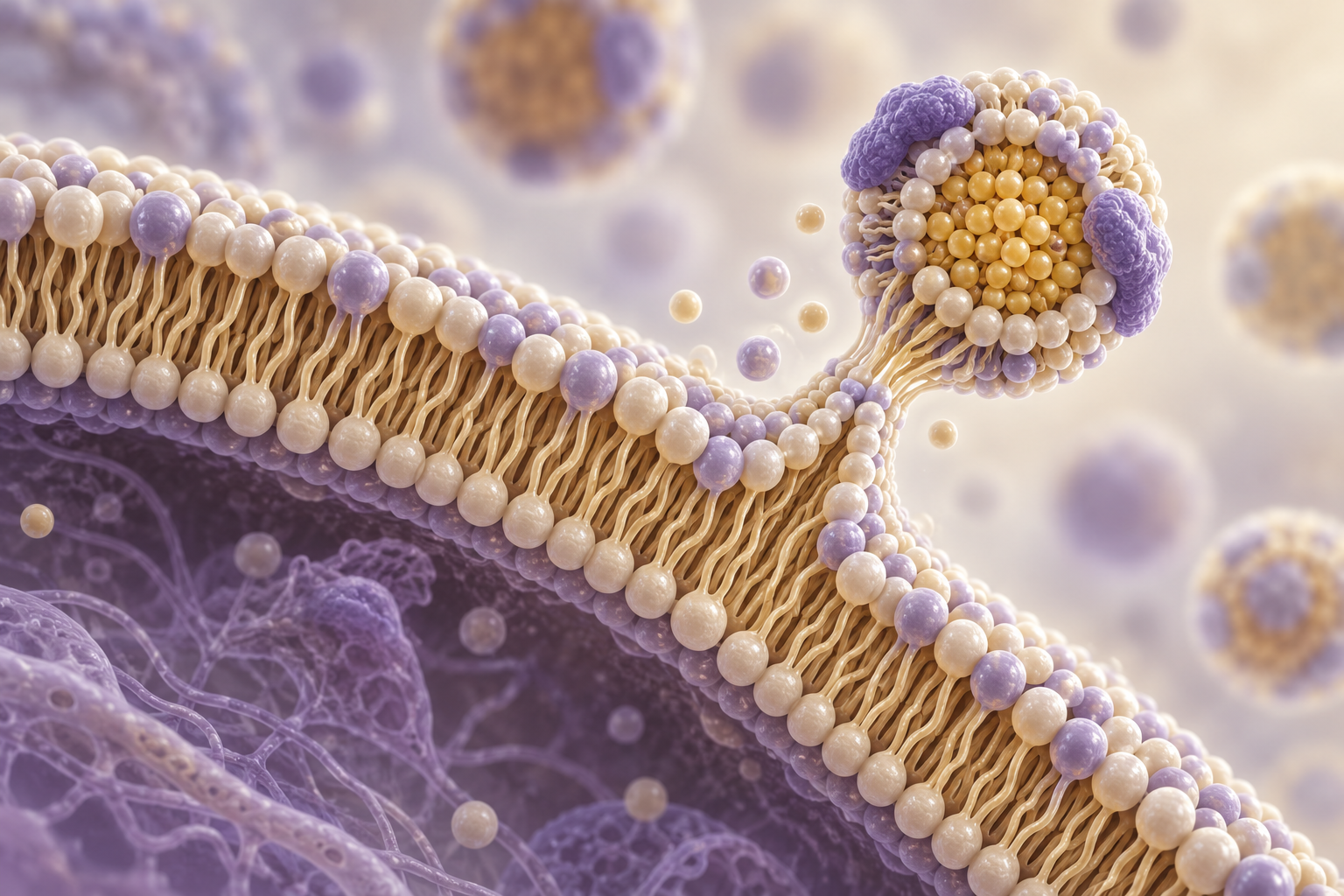
Choline is an organic compound that the body uses both as a ready-made fragment of larger molecules and as a source of methyl groups. In nutrition, not only free choline is considered, but also its share in phosphatidylcholine, sphingomyelin, and other compounds. Therefore, the word "choline" in a composition table combines several chemical forms. The official USDA database describes these forms and total choline separately: the mass of the entire phospholipid is not equal to the mass of the choline contained within it.
Phosphatidylcholine belongs to the phospholipids: it has a part that interacts with water and fatty acid tails directed into the interior of the membrane. Such an organization allows the cell to maintain a boundary and house transport and signaling proteins within it. Choline here is part of the polar head, rather than acting like a film over the cell. The physiological meaning of "membrane support" is the presence of material for their formation and renewal, not a proven protection against all damage after taking a supplement.
The importance of phosphatidylcholine is particularly evident in the liver. It packages triglycerides into very-low-density lipoproteins (VLDL) to send them into the bloodstream; the shell of these particles requires phospholipids. In experiments by Yao and Vance with cultured liver cells from choline-deficient rats, the disruption of VLDL secretion depended on the synthesis of phosphatidylcholine. Replacing its head with related compounds did not fully restore the process. This in vitro study explains the mechanism, but by itself, it does not yet prescribe treatment for a person with steatosis.
The liver also has an alternative pathway: the enzyme PEMT converts phosphatidylethanolamine into phosphatidylcholine by sequentially attaching methyl groups. Endogenous synthesis therefore partially covers the requirement, but it does not make dietary choline optional. In primary human and mouse hepatocytes, estradiol increased PEMT expression and enzyme activity. This cellular observation helps to understand the differences between people; it does not mean that internal synthesis is sufficient for all women or that hormone therapy should be chosen for the sake of choline.
Another pathway begins with the oxidation of choline to betaine. Betaine can donate a methyl group to homocysteine, helping convert it back into methionine; subsequently, S-adenosylmethionine is formed, which is a donor of methyl groups for many reactions. "One-carbon metabolism" denotes the transfer of such small chemical fragments between molecules. It links choline to folates, vitamin B12, and methionine, yet it does not make them interchangeable pills. The pathway was directly traced in humans using isotopically labeled choline.
A metabolic effect can be measured separately from well-being. In a crossover trial, 26 men with slightly elevated homocysteine received approximately 2.6 g of choline in the form of phosphatidylcholine daily for two weeks, or a control mixture of oils. Compared to the control, fasting homocysteine decreased by 18%, on average by 3.0 µmol/L. This confirms the involvement of choline in the exchange of methyl groups, but the study did not measure the prevention of heart attacks. The dose relates to a specific experiment, not to a general rule of nutrition.
Moreover, the improvement of one indicator may be accompanied by a change in another. In an analysis of randomized trials, the same phosphatidylcholine regimen increased blood triglycerides by approximately 0.14 mmol/L over two weeks, with no detected change in cholesterol. For betaine at a dose of 6 g per day over six weeks, an increase in LDL cholesterol of 0.36 mmol/L was observed. These short-term studies do not determine the long-term risk of normal food, but they show why a biochemical chain is no substitute for an assessment of the overall clinical outcome.
What human depletion studies tell us about the liver
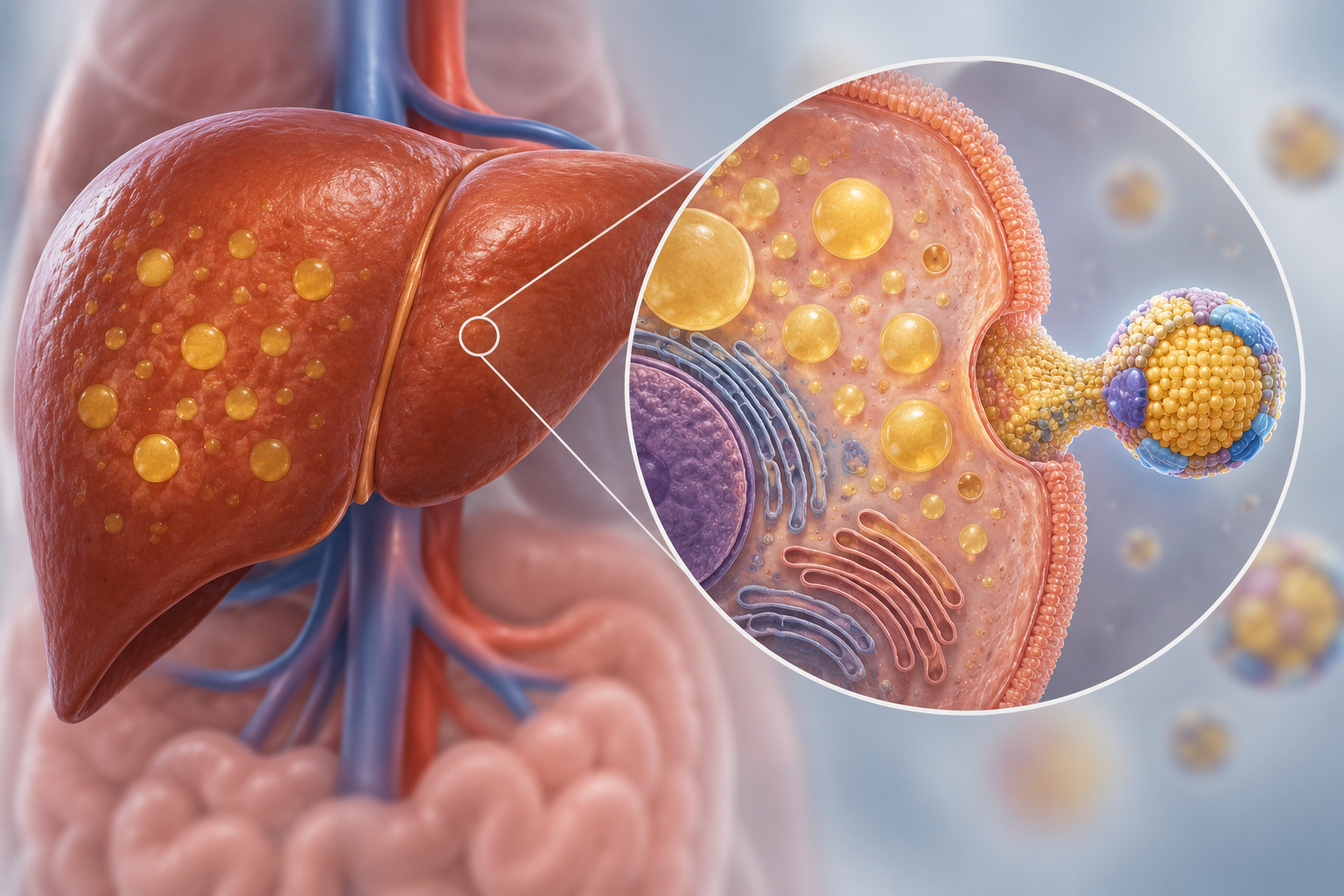
The indispensability of a nutrient cannot be established solely by its presence in important molecules. It must be shown that endogenous synthesis does not ensure the normal functioning of the body when other dietary components are provided in sufficient amounts. In a 1991 Zeisel study, healthy men were placed on a choline-deficient diet for three weeks. Against this background, measures of choline adequacy decreased and hepatic alanine aminotransferase activity increased; the reintroduction of choline reversed the changes. Such an experiment answers the question of the necessity of a dietary source, not the benefit of a supra-physiological dose.
Later, Fischer and colleagues studied 57 adults: 26 men, 16 premenopausal women, and 15 postmenopausal women. Initially, participants received a controlled diet with 550 mg of choline per 70 kg of body weight per day for ten days, followed by less than 50 mg per 70 kg for a maximum of 42 days. Researchers assessed liver fat using magnetic resonance imaging and laboratory signs of organ damage. This was an pronounced experimental restriction, significantly different from a slight shortfall of choline in a daily menu.
Under such restriction, signs of liver fat accumulation or muscle damage occurred in 77% of men, 80% of postmenopausal women, and 44% of premenopausal women. Choline replenishment restored normal organ function in participants with impairments. These proportions relate to the selected small group and the specified depletion conditions. They do not mean that the same percentage of people with intakes below the reference target already have liver disease: the intensity of the intervention and the outcome criteria differ fundamentally.
Individual sensitivity proved to be related not only to sex. In a genetic analysis of a human study, a variant in the regulatory region of PEMT was associated with greater susceptibility to a choline-deficient diet; variants of other metabolic enzymes were also studied. This is a useful clue about the origin of differences, but a small sample size does not provide reliable personalized dosing based on a consumer genetic report. The requirement is composed of several pathways, hormonal status, and nutrition, rather than a single "choline gene." Da Costa and colleagues, 2006.
The mechanism of hormonal differences was further investigated in human liver cells. For a specific genetic variant, the PEMT response to estrogen was attenuated, which was consistent with increased sensitivity to choline restriction. Here, human dietary data and cellular verification of a possible explanation are connected. But the link between mechanism and susceptibility does not mean a ready-made diagnostic scale: such a laboratory result cannot be independently transformed into a prescription for multi-gram doses or a conclusion about inevitable steatosis.
A specific clinical situation is long-term parenteral nutrition, where the normal intake of nutrients via the intestine is replaced by intravenous mixtures. In a randomized study, 15 patients received standard nutrition or supplementation with 2 g of choline chloride daily for 24 weeks. In the intervention group, signs of steatosis on computed tomography and certain liver enzymes improved; after discontinuation, a return of fatty changes was observed. It is important to preserve the precise form: the authors specified the mass of choline chloride, not declaring 2 g to be a universal oral dose.
Thus, the need to prevent and treat choline deficiency in appropriate conditions is most strongly proven. Common steatosis associated with metabolic disorders does not automatically reproduce the controlled depletion model: the same accumulation of fat can have different causes. The result of replenishing deficient intravenous nutrition also does not carry over to any liver capsule. For practice, it is more important to ascertain the nutritional and clinical cause of the disorders than to promise "fat removal" based on the fact of VLDL participation.
Daily guidelines and choline in regular food

The American values for adults 19 and older are 550 mg per day for men and 425 mg for women; 450 mg during pregnancy, and 550 mg during lactation. This is an Adequate Intake (AI) from all sources combined, including food. It serves as a benchmark for meal planning, so a pregnant woman does not need to automatically add 450 mg on top of the amount already being consumed. The values and age-related differences are provided in the official NIH fact sheet.
The AI is not an RDA—a recommended allowance calculated to cover the needs of almost all healthy people. For choline, data proved insufficient to establish an Estimated Average Requirement (EAR) and, based on that, an RDA. Therefore, intake below the AI cannot be equated to a proven deficiency in a specific individual or used to accurately estimate the proportion of deficient people in a population. This is a fundamental property of the standard itself, which is lost when the benchmark is referred to as a mandatory minimum dose.
European guidelines differ: the EFSA has established an AI of 400 mg for adults, 480 mg during pregnancy, and 520 mg during lactation. The difference reflects a choice of data and estimation methodology, not the existence of two different physiologies on either side of the Atlantic. It is useful to present such figures alongside the recommendation system. They also serve as a reminder that a reference benchmark lacks the precision of an individual laboratory measurement and is not a dose found in a trial to improve memory.
Choline is obtained from many foods, not just egg yolks. In the NIH table, a large boiled egg contains approximately 147 mg, half a cup of roasted soybeans contains 107 mg, and about 85 g of cooked chicken breast contains 72 mg. For a cooked cod portion of the same size, 71 mg is listed, and 43 mg for a cup of cooked quinoa. These are approximate values for specific products and portions: a different preparation method or a different variety changes the comparability.
For a plant-based diet, it is especially important to aggregate the contribution of several regularly consumed foods. Legumes, whole grains, nuts, and vegetables contain choline, although their serving size is not always comparable to an egg regarding this nutrient. The name of a diet type does not itself indicate total intake: a diverse menu and a limited set of products can vary significantly within the same category. A practical approach is to look at actual portions and food composition, while maintaining other dietary requirements, rather than designating a single mandatory "superfood source." USDA Composition Data.
At the same time, lecithin, phosphatidylcholine, and free choline cannot be considered equivalent by weight. Lecithin is a mixture of phospholipids, and in the phosphatidylcholine molecule, a significant mass is accounted for by parts that are not choline. Even absorption data require careful reading: in a crossover study with 18 adults, a drink with egg yolk phospholipids produced a higher area under the curve for blood choline than a bitartrate control. The response was measured over six hours, not liver health or memory quality.
Therefore, selecting a supplement begins with determining the actual amount of choline per daily dose. A label indicating the mass of the salt or mixture without such a clarification makes it difficult to compare with the AI or a research dose. For general nutrition, it is more reasonable to first assess which sources are already present and what limitations a specific situation requires. The pharmacokinetic advantage of one form does not create a proven advantage for all clinical goals: this requires a separate comparative trial with the necessary outcome. This boundary is clearly visible in the study on egg yolk phospholipids.
Pregnancy: demand grows, promises require precision

During pregnancy, choline is utilized simultaneously for maternal tissues, the placenta, and the growing fetus. This is not simply an added burden on the nervous system: membranes are formed, and the distribution of the substance between metabolic pathways shifts. The Yan study involved 26 women in their third trimester and 21 non-pregnant women who received 480 or 930 mg of choline per day. Isotopic measurements showed an increased channeling of choline into phosphatidylcholine synthesis during pregnancy. This is a human study of metabolism, not independent proof of future cognitive benefits.
Interest in brain development largely arose from animal experiments. In studies on rats, choline availability before and after birth altered subsequent spatial memory task performance and markers of the cholinergic system. Long-term potentiation of signal transmission between neurons in hippocampal slices—a mechanism of synaptic plasticity—was studied separately. These results explain the scientific hypothesis regarding sensitive periods of development, but an animal task in a maze is not a measurement of a child’s intelligence.
In a controlled human trial by Caudill, 26 pregnant women were randomized at the start of the third trimester to 480 or 930 mg of total choline per day until delivery, for approximately 12 weeks. Diet provided 380 mg, while an additional 100 or 550 mg of choline was given in the form of chloride. This differs significantly from the recommendation to take a capsule with 930 mg in addition to a habitual diet. Dietary control and blinding allowed for a better separation of the studied intervention from other dietary differences.
In 24 infants, gaze reaction to images was measured at 4, 7, 10, and 13 months of age. In the group with 930 mg of maternal intake, the mean reaction time across these examinations was shorter, which the authors interpreted as faster information processing. This is an interesting positive result in a specific task. It does not signify an established increase in general intelligence, prevention of developmental disorders, or an advantage for any child: group sizes are small, and the measured function is significantly narrower than these promises.
Seven years later, it was possible to examine 20 children from the same cohort. In a 12-minute sustained attention task, the 930 mg group showed better performance on the primary metric; for the shortest, 17-millisecond signals, the number of correct detections decreased over the course of the task by 22.9% in the 480 mg group and increased by 1.5% in the 930 mg group. This is the magnitude of change within a specific test, not a percentage improvement of all abilities. Furthermore, a follow-up of the same cohort is not an independent replication of the experiment.
Another randomized study had a negative result. Cheatham and colleagues randomized 140 pregnant women to placebo or an additional 750 mg of choline daily in the form of phosphatidylcholine, starting from the 18th week until 90 days postpartum. A normal diet provided about 360 mg per day; memory, language, and general development were checked in 99 infants at 10 and 12 months. No significant differences were found. The full text specifies exactly 750 mg of choline, so the abbreviated wording of the abstract should not be interpreted as 750 mg of the total phospholipid mass.
A 2025 systematic review combined the assessment of four randomized trials and five observational pregnancy studies described in 20 publications. The authors noted individual positive results, but most of the studied developmental markers did not confirm the advantage of higher intake. Small sample sizes, multiple outcomes, and differences in methods limited confidence. Their conclusion is that available data are insufficient to confirm or refute the hypothesis of neurodevelopmental improvement via supplemental choline; this is more cautious than a retelling of a single successful test.
The practical question during pregnancy therefore begins with adequacy, not with a promise to raise a more attentive child. It is worth evaluating diet and the composition of any supplements already being taken with a specialist, then discussing the replenishment of a possible deficiency. The difference between a research dose and a standard remains important even after birth, when consumption for breast milk continues. The involvement of choline in general metabolism does not replace other components of pregnancy management: the experiments reviewed tested a specific additional intervention, not a full set of necessary measures.
Acetylcholine and memory: why a precursor is not equivalent to a nootropic
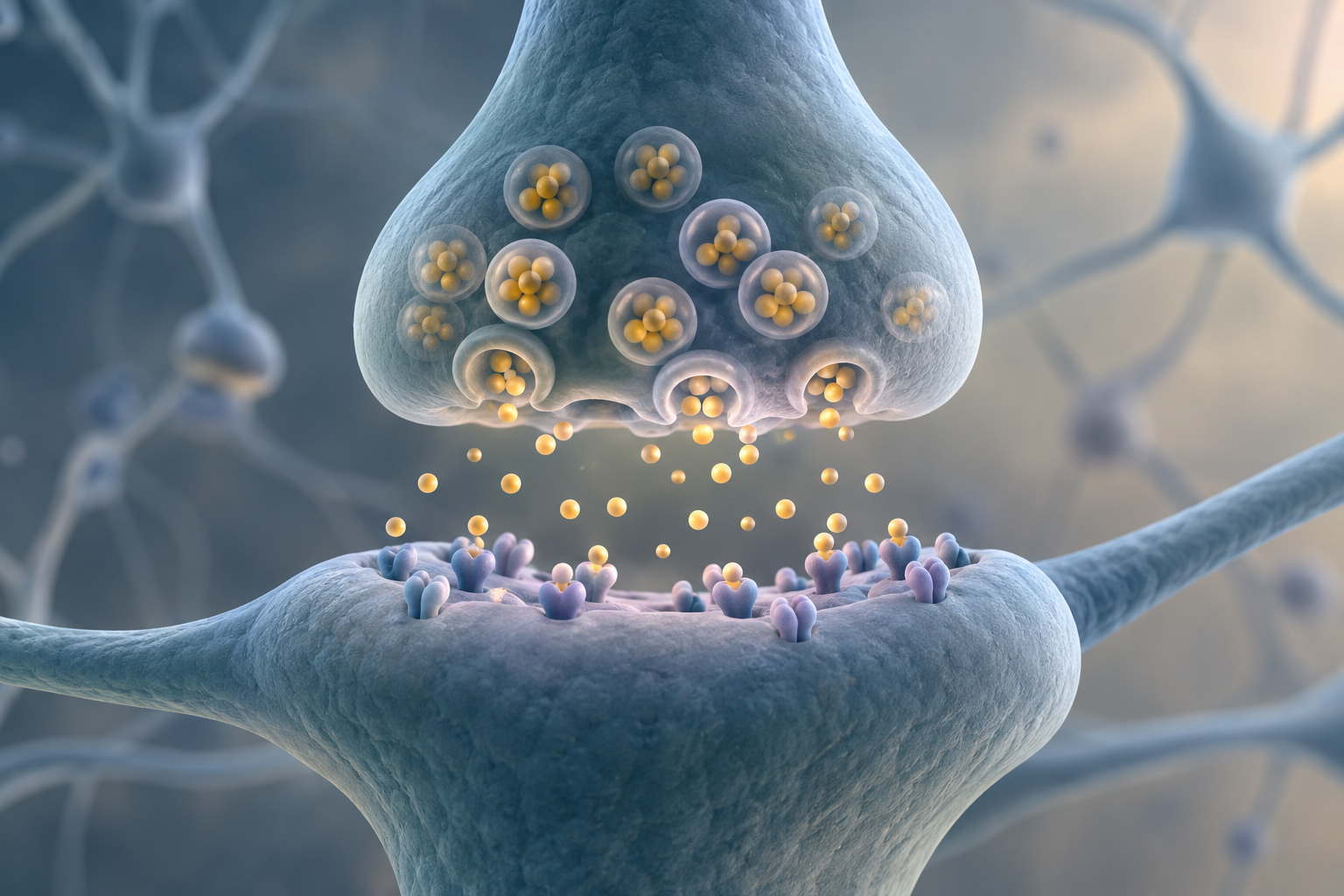
A nerve cell uses choline to form acetylcholine, a substance that transmits a signal via specific receptors. For this purpose, the enzyme choline acetyltransferase connects choline with an acetyl group; after the signal is transmitted, acetylcholine is broken down, and the choline can be taken up again. Such a system serves attention and memory, but also the function of the muscles and the autonomic nervous system. Therefore, "participates in memory" describes the physiological function of the molecule and does not yet say anything about the magnitude of the effect of a supplement in humans.
The operation of this system depends not only on the amount of raw material supplied. In a study of a choline transporter variant, the human connection with attention control was studied together with experiments on mice, where choline uptake and the maintenance of acetylcholine release were evaluated. The results highlight the role of signal delivery and regulation, rather than just nutrient concentration. Consequently, the logic "more choline — more acetylcholine — better memory" skips several regulated stages and requires human verification separately for each goal.
Observational studies provide grounds for studying nutrition further. In the Framingham study, among 1,391 adults without dementia, aged 36–83, higher choline intake was associated with better results in some memory tests; dietary questionnaires and neuropsychological examinations were used. But the participants were not randomly assigned a supplement or an identical diet. Higher choline could accompany other dietary and lifestyle characteristics, so the connection does not directly answer the question of whether the same person would remember better after a capsule.
Long-term observation also does not replace intervention. In a later Framingham analysis, 3,224 people were followed for an average of about 16 years; during this time, 247 cases of dementia were recorded. Low choline intake was associated with a higher incidence of dementia and Alzheimer's disease, and the dependencies were non-linear. This is not a prevention trial and not proof that high doses eliminate the risk. A correct conclusion concerns the identified association, which must be considered together with the limitations of questionnaires and potential confounding factors.
For healthy young people, there is a direct check of the acute effect. In Lippelt's work, 28, 26, and 40 people participated in three experiments, respectively; after taking 2.0–2.5 g of choline bitartrate or a placebo, different types of memory were evaluated after approximately one hour. No significant advantage of the supplement was found. The mass indicated here is of the salt, not pure choline. The result is limited by the short time after the dose, but that is precisely why it answers well to the everyday promise of "take it before studying and remember better immediately." Lippelt et al., 2016.
Citicoline, or CDP-choline, must be considered a separate compound with its own studies. In a trial of 100 adults aged 50–85 with age-related memory complaints, they received 500 mg of citicoline per day or a placebo for 12 weeks. Positive differences concerned secondary outcomes: episodic memory and a composite memory score; for the latter, changes were 3.78 versus 0.72 units of the research metric. These are not percentages and not a measure of daily independence. The work is linked to the manufacturer of the investigated ingredient, which is important to consider when assessing reproducibility.
The 2024 official EFSA assessment put this result into a broader context. The commission noted the positive experience with 500 mg over 12 weeks, but the lack of confirmation in another study with 1 g per day for three months and the insufficient convincing nature of the overall evidence chain. A causal link between citicoline and the improvement or maintenance of memory for the claimed population was not established. This conclusion does not negate the biological role of choline; it shows that proven participation in neurotransmitter metabolism and a universal nootropic promise place different requirements on data.
TMAO: microbiota, kidneys, and the limits of an alarming marker
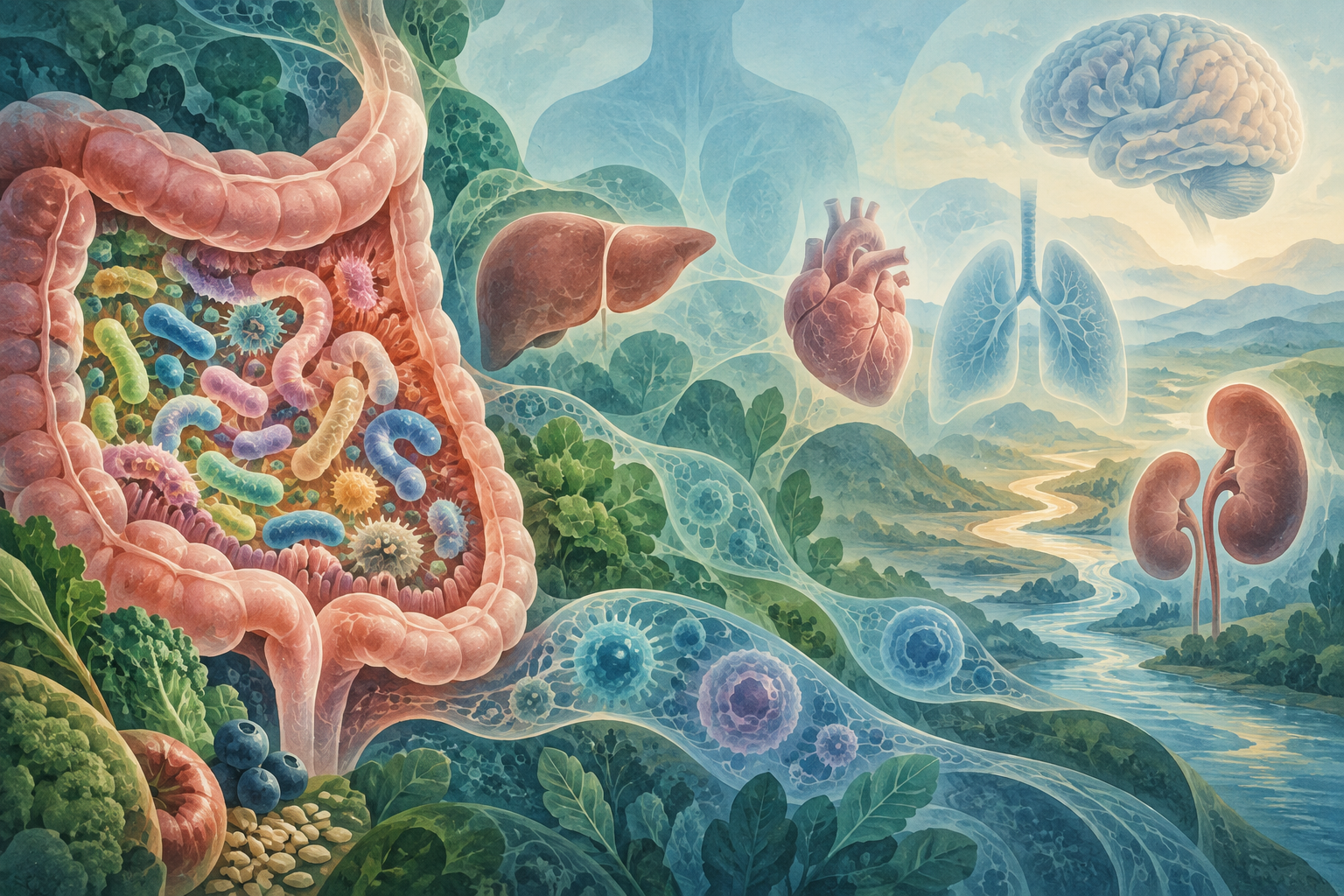
Part of the choline can become a substrate for intestinal microorganisms that form trimethylamine, TMA. After absorption, liver enzymes convert it into trimethylamine-N-oxide, TMAO. This is a path of joint metabolism between the human and the microbiota, so the same food is not required to cause the same concentration in different people. Substrate availability, the microbial community, subsequent transformations, and excretion are important. Such a chain alone makes it impossible to consider measured TMAO a direct counter for "harmful eggs." Metabolic study by Tang.
Suspicions arose not only from statistics. In the work by Wang, dietary exposure to choline or TMAO enhanced atherosclerotic changes in susceptible mice; experiments with absent or suppressed microbiota helped to verify the involvement of bacteria. Cholesterol accumulation in macrophages—cells involved in the formation of atherosclerotic plaques—was also studied. These are experimental arguments in favor of a possible mechanism, but an animal model with a set diet does not establish the magnitude of the risk of myocardial infarction from a standard human serving of a product.
In humans, Tang and colleagues tracked the appearance of TMAO after two boiled eggs and labeled phosphatidylcholine. Suppression of the gut microbiota with antibiotics reduced the formation of the metabolite; it returned after the withdrawal of antibiotics. Another part of the study observed 4,007 patients referred for elective coronary angiography over the course of three years. For the top quartile of TMAO, the hazard ratio for death, myocardial infarction, or stroke compared to the bottom quartile was 2.54, with a 95% confidence interval of 1.96–3.28. This is a strong association in a clinical cohort, not randomized proof of the harm of eggs.
Concentration also reflects kidney function, as the kidneys excrete TMAO. In an experiment with 40 healthy men, they were given a single dose of 50 mg of isotopically labeled TMAO, and its fate was tracked in blood, urine, and other samples. Such a design allows for distinguishing the intake of a pre-formed metabolite from its formation from precursors. It serves as a reminder of why a blood marker depends simultaneously on the influx of a substance and its removal: decreased excretion can increase concentration without a corresponding increase in choline intake.
To test the direction of causality, Mendelian randomization—an analysis of genetic variants as instrumental variables—was also applied. Jia and colleagues obtained results supporting the influence of diabetes and kidney disease on increased TMAO, and they did not confirm a simple causal interpretation of cardiovascular observations. This method also depends on the quality of the instruments and assumptions. It does not prove the complete harmlessness of the metabolite, but it makes reverse causality and confounding real explanations that cannot be ignored for the sake of one convenient scheme.
Fish shows the limitation of the marker particularly clearly. In a crossover study, 40 healthy young men compared meals with fish, eggs, beef, and a fruit control. Fish yielded a significantly larger TMAO response in blood and urine, approximately 46–62 times higher than other options; the increase was detectable after just 15 minutes. The authors attributed this to the intake of pre-formed TMAO, which does not require preliminary formation by bacteria. This brief dietary experiment did not measure clinical cardiovascular events.
It does not follow that fish is more dangerous than other products in the same proportion. The scientific statement from the American Heart Association considers fish and seafood in the context of clinical data and the substitution of other products, supporting one to two such meals per week. A comparison with the Cho experiment shows why an acute rise in a single metabolite does not determine the total value of food. For eggs, the question also cannot be resolved by TMAO alone: the formation of the metabolite does not replace the study of long-term dietary impact and its clinical consequences.
Practically, TMAO should be understood as an investigative link and a marker whose significance depends on the context. Based on the described works, it is not appropriate to prescribe choline fasting, prophylactic antibiotics, or self-directed "microbiota treatment" for the sake of lowering a number in a test result. Such a conclusion would require an intervention trial with clinical outcomes and an assessment of its consequences. Ordinary food, a concentrated supplement, and high TMAO with impaired kidney function are different situations; the connection between them must be clarified, not replaced by a general prohibition.
Safety: Upper Limit and the Meaning of a Supplemental Dose

The American tolerable upper intake level, UL, for adults 19 years and older is 3,500 mg of choline per day, total from food and supplements. It also applies to pregnant and lactating adult women. The UL signifies the level of long-term consumption above which there is an increased concern for adverse effects, rather than a desired goal or an established therapeutic dose. The distance from the standard AI to the UL is not free space for mandatory increases: a larger amount must have a justified task.
This limit was derived from a fairly limited base of human observations of high doses. Hypotension was chosen as the critical effect, with a fishy body odor as a secondary effect; the level at which adverse effects were observed was estimated at approximately 7.5 g per day. This was divided by an uncertainty factor of 2, and the resulting 3.75 g was rounded down to 3.5 g. Consequently, the UL was not established as an precise boundary in a large, modern trial and was not calculated based on TMAO. Its purpose is a cautious restriction in light of incomplete data.
Excessive consumption is associated with fishy odor, vomiting, increased sweating and salivation, hypotension, and toxic effects on the liver. The fishy odor is linked to trimethylamine metabolism, so it should not be interpreted as a sign of effective "detoxification." The appearance of an adverse reaction requires a reassessment of intake and investigation of the cause, rather than acclimation to symptoms for the sake of a perceived benefit. The total daily sum is what matters: several products with different names may contain the same source of choline.
The brevity of the experience also limits conclusions regarding safety. Twelve weeks of citicoline, several weeks of controlled feeding, or the third trimester period provide information on a specific regimen, but do not describe years of self-administration. The absence of reported problems in a small group does not allow for a reliable assessment of rare reactions. When making a choice, one should compare the specific form, duration, and population of the source with the intended use; the word "choline" does not make all supplements the same as a single studied mixture.
In the context of kidney disease, the interpretation of metabolism is particularly complex. TMAO is excreted by the kidneys, and an altered concentration may simultaneously reflect microbiota metabolism and impaired clearance; it is not a simple signal to increase or remove a nutrient. The observational study on the link between TMAO and mortality specifically accounted for even mild reductions in kidney function. For an individual with such a disease, the decision regarding a concentrated supplement should be based on a clinical assessment of nutrition and health status, rather than a self-directed attempt to manage a single metabolite.
Low estimated intake and a diagnosed deficiency also require different actions. To plan a menu, it is helpful to know foods and the AI, but a laboratory choline value does not automatically translate into a personal inventory counter. The NIH notes that status is typically not measured in healthy people; blood concentration is maintained by endogenous metabolism and does not fully describe tissue status. This explains why complaints of fatigue or forgetfulness cannot be confidently labeled as a deficiency based on such an analysis alone.
The most well-founded goal is to provide nutrition that meets requirements and to specifically correct an identified deficiency. For a specialist, this means maintaining the distinction between a deficient diet, parenteral nutrition, pregnancy, and a discrete trial of a cognitive supplement. For the reader, it means understanding the daily total, the form on the label, and the purpose of intake, without turning an essential nutrient into a mandatory medicine. Choline is important precisely because it is integrated into normal physiology; a good choice accounts for this necessity along with the boundaries of proven supplemental benefit.
