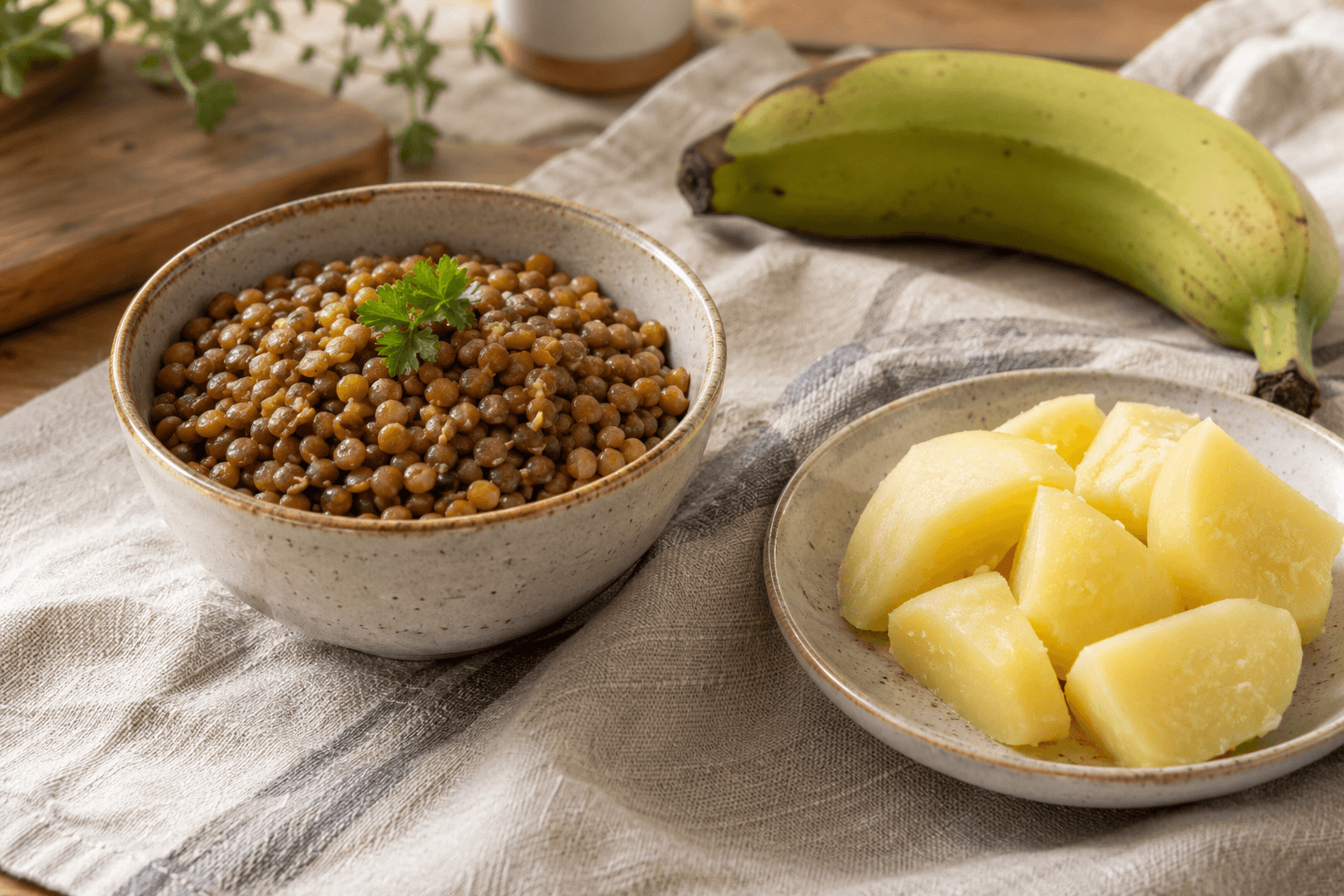
Resistant Starch: Effects of Cooling, Microbiota, and Dosage
A portion of starch passes through the small intestine without full digestion, acting as a substrate for the microbiota. We analyze types of resistance, rice cooling, metabolic studies, Lynch syndrome, actual dosages, and safe practices.
Updated: . An update is not evidence of expert review.
Freshly cooked rice and the same rice after cooling can differ in how much of their starch becomes accessible to digestive enzymes. Behind this observation lies actual physical chemistry, but the household advice has quickly become overgrown with promises: as if the refrigerator removes calories, fixes the microbiota, and turns a regular side dish into a weight-loss tool. Resistant starch does indeed connect cooking technology with intestinal physiology. To utilize this knowledge, one must distinguish between the few grams of resistant fraction in a serving of food and the tens of grams of specially prepared material used in a study.
The word "resistant" denotes resistance to digestion in the small intestine, not the body's resistance to insulin. Starch may remain inaccessible due to the plant cell wall, the organization of the granule, or the packing of chains after cooling. Upon reaching the large intestine, it is capable of participating in microbial fermentation, so its effects do not end with postprandial glucose. However, between changing the product structure, altering bacterial composition, and improving health, there are several independent transitions, each requiring its own data.
For daily nutrition, this is primarily a matter of the product form, portion size, and tolerance. For a specialist, it is also a matter of the analytical method, the composition of the substance being studied, and exactly which outcome was measured. One study may report on fecal butyrate concentration, another on insulin sensitivity, and a third on cancer incidence years later. These results help explain physiology to one another, but they do not replace one another.
Why some starch passes by digestive enzymes
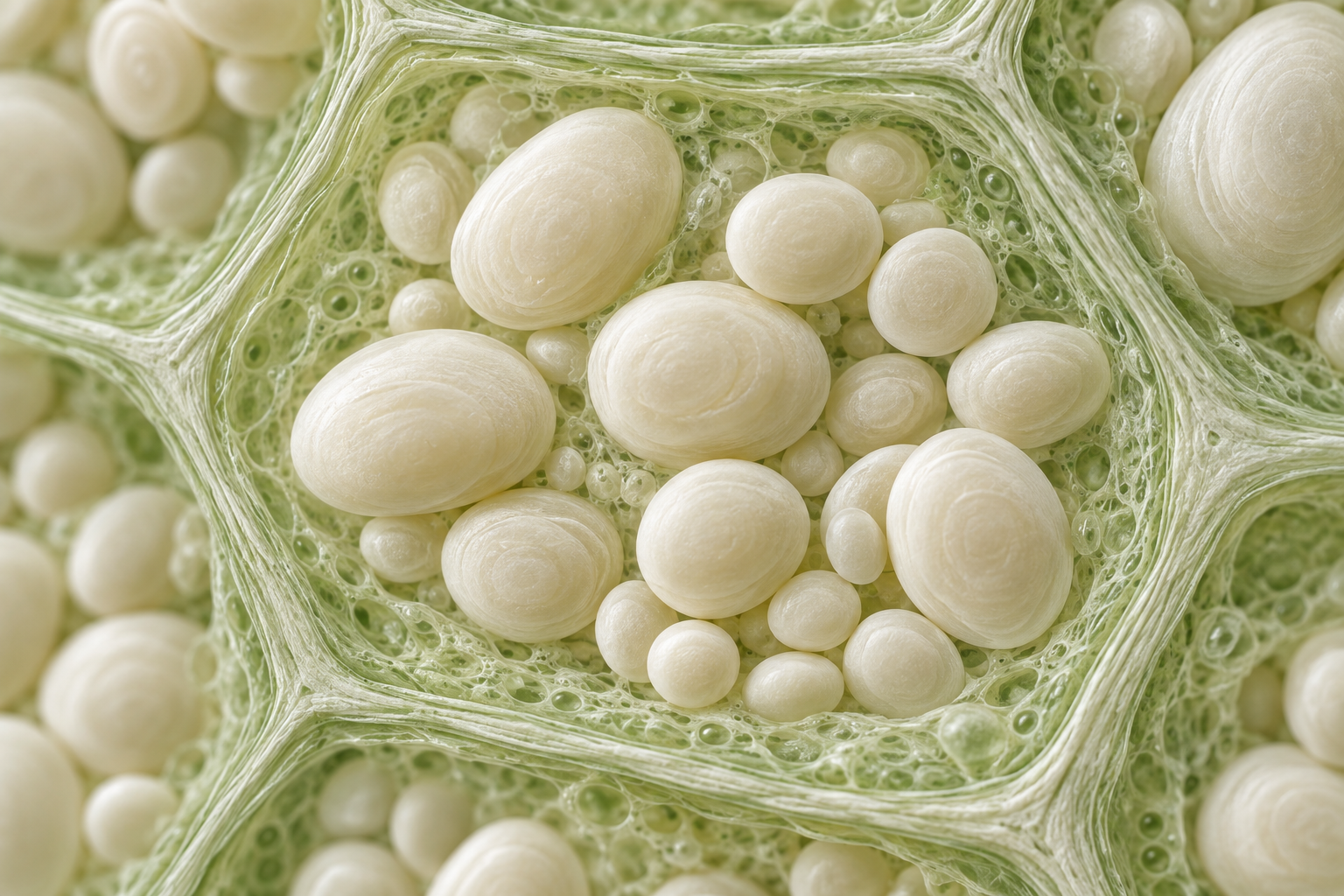
Starch is a reserve carbohydrate of plants, built from many glucose residues. It usually combines relatively linear amylose chains and branched amylopectin molecules, packed into granules. During digestion, amylases break down accessible bonds, and enzymes on the surface of the small intestine complete the formation of sugars suitable for absorption. Therefore, the amount of starch in a chemical analysis and the amount of glucose that will appear in the blood after a specific meal are not the same value.
In classic food classification, a distinction is made between rapidly digestible, slowly digestible, and resistant fractions. Slowly digestible starch can still provide glucose in the small intestine, just later; resistant starch to a significant degree avoids this stage. The separation depends on the measurement conditions, so a laboratory result must be linked to the methodology. The work by Englyst and colleagues established the practical foundation of this approach, and subsequent research in ileostomy patients compared in vitro analysis with the output of undigested starch from the small intestine.
Type 1 resistance, RS1, arises from physical inaccessibility. It is difficult for an enzyme to reach starch enclosed within the intact cellular structure of a grain or legume product. Thorough grinding destroys part of this barrier, even if the source plant and chemical composition remain the same. Therefore, flour and relatively whole grains can behave differently, and a label stating "whole grain" does not by itself describe the accessibility of every granule.
RS2 is linked to the structure of the native granule itself, as in certain high-amylose corn materials, raw potato starch, and the starch of unripe bananas. When heated with water, this structure can change, and the resistance will decrease. RS3 is formed during the reordering of chains in already cooked starch—that is, through retrogradation. RS4 is obtained by technological modification of the molecules; its properties depend on the specific material, so the designation "modified starch" without additional information does not yet guarantee pronounced resistance.
These categories explain the reasons for resistance but do not set a uniform clinical potency. RS2 material from a research packet, RS1 in beans, and RS3 in a cooled side dish differ in dose, accompanying substances, and accessibility to bacteria. A food product additionally contains water, protein, fat, and other fibers, whereas a powder allows researchers to concentrate a specific fraction. Extrapolating the result of one preparation to all starchy foods means missing exactly those properties that created the observed effect.
This distinction is especially useful when reading a label or a protocol. The mass of the powder may include both resistant and digestible starch, and the percentage is sometimes given for dry matter and sometimes for the ready-to-eat food. In a study of measurement methods in humans, the average amount of starch that escaped digestion was evaluated, rather than an unchangeable personal dose for every participant. In a professional description, therefore, three clarifications are needed: what was studied, how resistance was determined, and to what mass the number refers.
Another reason not to reduce the issue to a single figure is the difference between dry and wet mass. One hundred grams of powder consists almost entirely of dry material, whereas one hundred grams of cooked side dish includes a lot of water. Comparing such values without conversion creates the impression that a homemade portion easily reproduces a dose from a clinical trial. For a professional menu, it is necessary to retain the original unit of measurement and the mass of the edible portion, while for an ordinary reader, it is enough to remember that a spoonful of powder and a spoonful of porridge are not interchangeable measures.
What happens during cooking, cooling, and reheating
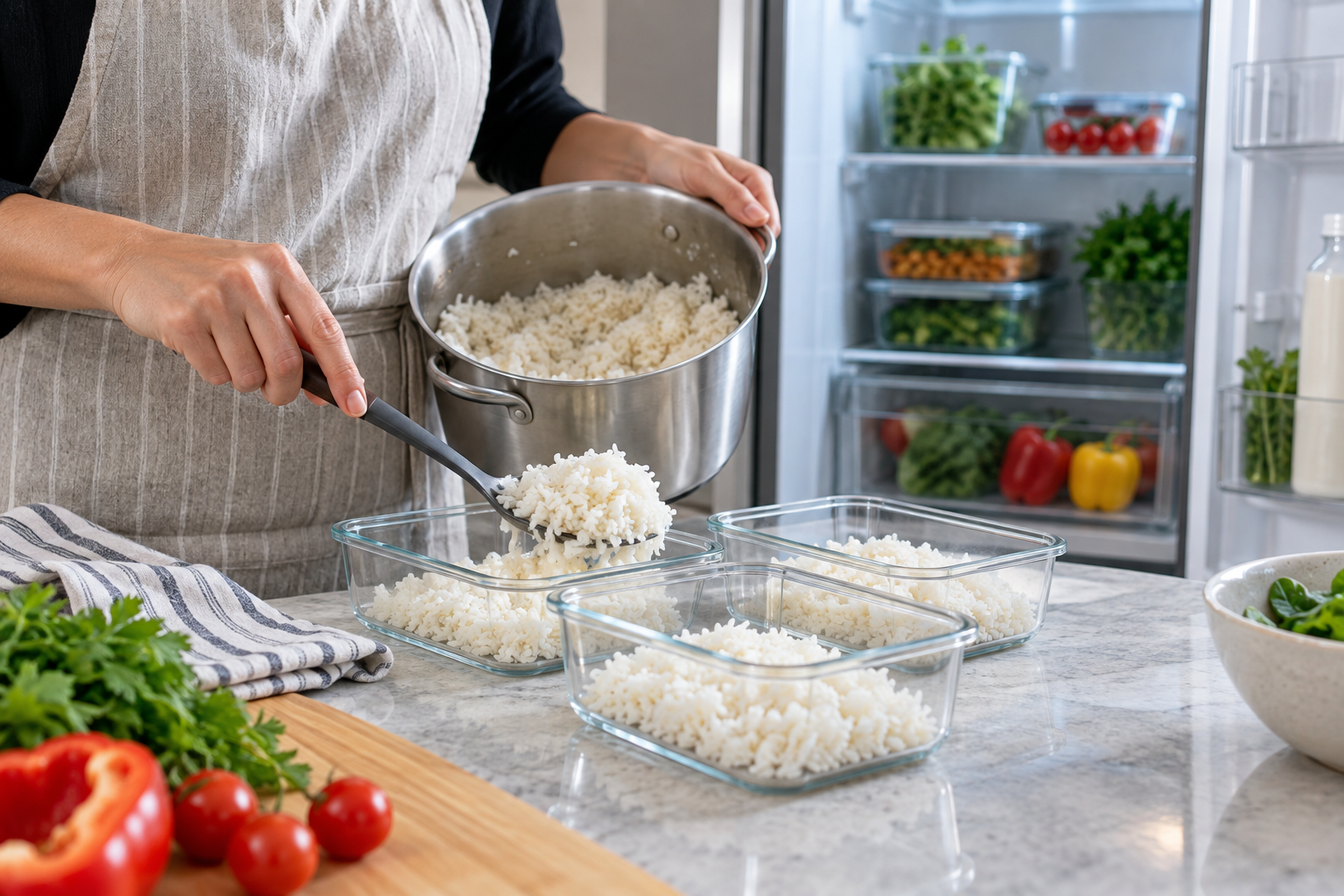
Heating with water usually facilitates access to starch: granules swell, their original organization is partially disrupted, and it becomes easier for enzymes to attack the chains. This process is called gelatinization, and it helps explain the difference between dry raw material and a finished side dish. During cooling, some chains move closer together again and form more ordered regions. These may be less accessible to enzymes, but the transformation covers only a part of the starch and depends on the composition of the product, water, temperature, and time.
Visual numbers were obtained in a study on white rice: the freshly prepared sample measured 0.64 g of resistant starch per 100 g, while after 24 hours at 4 °C and subsequent reheating, it was 1.65 g per 100 g. Thus, the increase in this formulation was about one gram per 100 g of cooked rice. In a randomized crossover trial with 15 healthy participants, the area under the glucose curve was lower after the cooled and reheated variant: 125 vs 152 mmol·min/L. This is a small, specific experiment, not a universal coefficient for any variety, cuisine, or person.
Such results are often retold using relative percentages, which makes a small increase look huge. If the initial resistant fraction is low, its increase by several times still leaves most of the starch digestible. At the same time, a portion of rice does not stop containing available carbohydrates, and the oil in the dish retains its energy. For a person with diabetes, it is more important to consider the overall composition and the amount eaten than to subtract the internet-promised percentage of calories from the portion.
Reheating does not necessarily completely undo the formation of RS3, but it also does not guarantee the preservation of the same proportion. Different ordered regions possess different thermal stability, and the temperature inside the product depends on the method of reheating. Multiple cooling cycles cannot be automatically considered a linear way to accumulate the beneficial fraction. Each cycle simultaneously complicates storage, so a technological hypothesis cannot be placed above microbiological safety.
In the rice study itself, there was also an option of holding at room temperature, but an experimental protocol is not a household recommendation. Cooked rice can contain surviving spores of Bacillus cereus, and in the event of unsafe storage, bacteria can multiply and produce toxins. Therefore, any discussion of retrogradation should immediately be linked to rapid cooling and refrigeration. Obtaining a slightly larger amount of resistant starch does not justify keeping cooked food warm for long periods.
The practical value of cooling is moderate and quite useful: it allows one to prepare a side dish in advance and slightly change its properties. However, there is no need to force yourself to eat cold food or buy a certain variety for the sake of a promised therapeutic effect. A specific product can be chosen based on taste, tolerance, and convenience, while maintaining a reasonable portion. If the question concerns the exact RS content in a clinical study menu, household technology without compositional analysis will not ensure a reproducible dose.
The culinary effect can be noticeable even without laboratory calculation: a denser structure sometimes changes the texture and ease of using the product in a salad or a subsequent meal. But texture does not serve as a home analysis of the resistant fraction content. Externally similar samples may differ in variety, initial water, and degree of doneness, and a refrigerator does not set the same temperature for the entire volume of a large pot. Therefore, it is useful to describe a household recipe as a method of preparation, leaving exact physiological promises beyond what it actually allows to establish.
How the microbiota processes the resistant fraction
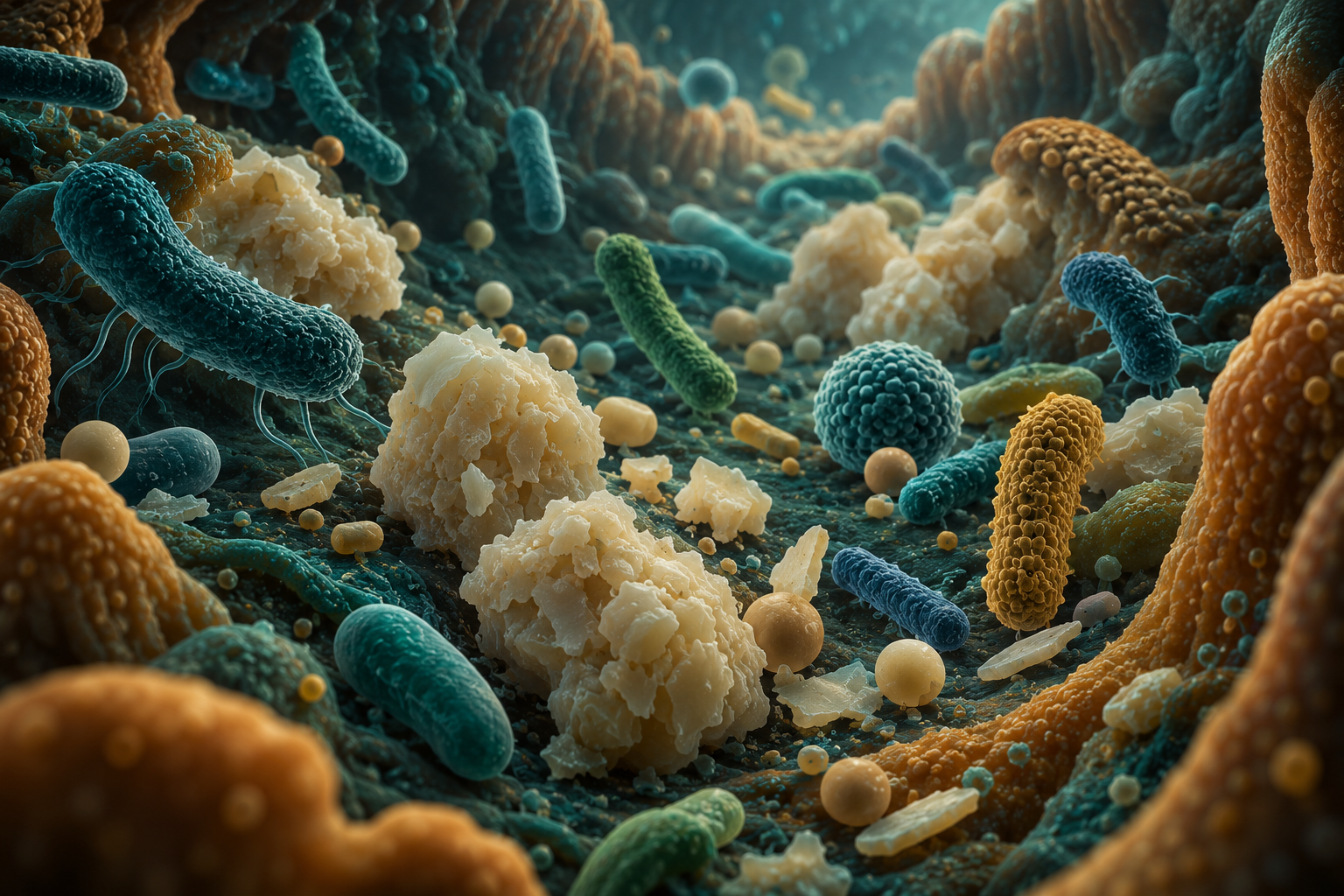
In the large intestine, starch encounters microbial enzymes, the set of which differs from that of humans. Some bacteria are capable of being the first to break down resistant structures, while others use the released sugars or intermediate products. This interaction is called cross-feeding: the metabolic product of one group becomes a substrate for another. As a result, short-chain fatty acids, including acetate, propionate, and butyrate, can be formed, as well as gases, which a person notices much faster than laboratory changes.
Butyrate serves as one of the energy substrates for colon cells and is involved in the regulation of their function. However, knowledge of this physiology does not mean that a supplemental powder will necessarily improve the intestinal barrier or eliminate inflammation in a specific patient. The local availability of the metabolite depends on where and how quickly fermentation occurs, how much of it is absorbed by tissues, and what substrate is being processed in the first place. An increase in a measured indicator and a therapeutic effect are separate outcomes, even if a plausible mechanism exists between them.
In a study by Venkataraman et al., 20 healthy young adults gradually transitioned to 48 g of raw potato starch per day. The material contained approximately 50% RS2, meaning the powder mass corresponded to roughly 24 g of the resistant fraction. After three days of increasing the amount, this dose was taken for another seven days. The mean concentration of butyrate in stool rose from approximately 8 to 12 mmol per kilogram of wet sample, but individual responses varied significantly.
In some participants, the increase was pronounced, in others, the concentration remained low, and some had a high baseline level. Such heterogeneity is consistent with the role of the initial microbial community: one must not simply add material but possess the organisms capable of incorporating it into the metabolic chain. The authors discussed, in particular, Ruminococcus bromii and Bifidobacterium adolescentis as participants in starch decomposition. These names help to understand the ecology of the process, but they do not turn a commercial microbiota analysis into a ready-made instruction for choosing a supplement.
The concentration of butyrate in stool also does not directly show how much of the substance was produced throughout the entire colon. Some metabolites are absorbed, and the remaining amount depends on water content, transit, and sample collection time. Therefore, a low concentration does not necessarily mean an absence of fermentation, and a high one does not prove that the tissue has received a clinically necessary amount. A convenient laboratory marker must be interpreted in conjunction with the method and the objective of the study.
Fermentation also explains why a sharp increase in quantity can cause bloating or discomfort. A large influx of new substrate changes gas production, and individual sensitivity to intestinal distension varies. There is no reason to consider pain a necessary sign of "recovery" or to endure significant symptoms for the sake of a visually appealing microbiota profile. For nutrition, it is more reasonable to seek a tolerable level and a variety of plant-based foods, and for the treatment of intestinal disease, to assess the condition and a concrete plan of care.
When people talk about "feeding beneficial bacteria," it is easy to forget that the microbial community is not divided into two static teams. The significance of an organism depends on its functions, its neighbors, and intestinal conditions, and an increase in the relative share may also occur due to a decrease in other groups. One composition indicator does not describe the entire activity of the community and is not equivalent to a diagnosis. This is especially important for a person who has already restricted many foods: the desire to increase one bacterium should not make the diet even more limited and impair its tolerability.
Post-meal glucose and insulin sensitivity

The most direct path of influence on glycemia begins even before the colon. If resistant starch replaces digestible starch, less available glucose is produced in the small intestine from that portion of the meal. The word "replaces" is essential: adding powder to the previous amount of food does not replicate the same experiment. The difference between replacement and addition helps to understand why the effect of a formulation cannot be automatically attributed to any supplement taken alongside a carbohydrate meal.
The EFSA opinion recognizes the link between such substitution and a reduction in the postprandial glycemic response. The condition for a corresponding health claim is that resistant starch must constitute at least 14% of the total starch in the final product after replacing the digestible portion. This is not 14% of the dish's mass and not 14% of all carbohydrates in the diet. The number refers to a specific technological situation and does not establish a personal daily allowance.
Another question is whether the body becomes more sensitive to insulin after regular intake. For this, it is not enough to see lower glucose levels after a meal in which the amount of available substrate has simply decreased. Researchers use, for example, a hyperinsulinemic-euglycemic clamp: they infuse insulin and regulate glucose delivery while maintaining its concentration. The more glucose required under comparable conditions, the more actively the tissues respond to insulin; this is a physiological assessment, which is still not equivalent to a reduction in the risk of diabetes complications.
In the crossover study by Robertson et al., ten healthy participants received 30 g of resistant starch per day for four weeks. The authors found an improvement in insulin sensitivity via the clamp technique, and the score from a meal challenge was approximately 33% higher than after the control period. This 33% refers to the chosen sensitivity index, not a one-third reduction in blood sugar. The small number of participants and the short duration limit the translation of these results to people with diabetes and to long-term prevention.
Potential long-term effects are linked to fermentation products, fatty acid metabolism, and signaling between the gut, liver, and other tissues. These pathways may complement the reduction of the available carbohydrate portion of a meal, but their contribution should not be calculated from a single glucose curve. Fasting values, response to a standardized meal, HbA1c, and the clamp technique answer different questions. It is especially useful to remember this when a small improvement in one of these parameters is marketed as a complete "fix for insulin resistance."
In clinical practice, changing carbohydrate availability is also important for a person taking insulin or medications with a risk of hypoglycemia. A major shift in the menu should account for the prescribed treatment and observed glucose values, rather than just the theoretical formation of RS3. Cooling a regular portion does not usually make carbohydrate counting meaningless, but one cannot promise the same response to everyone. Resistant starch can be viewed as a food characteristic and an investigational intervention, while maintaining the independent role of medications, activity, and overall nutrition.
For self-monitoring, it is also important not to conflate different tasks. A one-time post-dinner glucose reading depends on the time of measurement, the previous meal, activity, and the composition of the entire meal, not just the temperature of the rice. A couple of home measurements might provide a reason to discuss nutrition, but it does not replicate a standardized insulin sensitivity study. If a person is already keeping a log for medical indications, it is more useful to record under consistent conditions and according to the prescribed monitoring schedule than to test every new culinary tip based on a random high or low point.
Body weight: promising experience alongside negative results

In the 2024 study by Li et al., 37 adults with overweight or obesity participated. In a double-blind crossover design, eight-week periods of high-amylose corn intake and control starch were compared, separated by a four-week washout period. Participants were given 40 g of the resistant fraction per day, which required 91.2 g of the investigational powder. Participants were provided with a balanced diet, and the control supplements were energy-matched.
After the period with resistant starch, the authors reported an average weight loss of approximately 2.8 kg and an improvement in insulin sensitivity. The result is interesting because it involves a controlled human experiment rather than just a cellular model. However, this is a high dose of a specific RS2 against the backdrop of organized nutrition, not a trial of a single serving of cooled potatoes. After the intervention ceased, weight regain was observed, and the study did not establish how sustainable the effect would be under a typical multi-year regimen.
The mechanistic part combined observations in participants with mouse experiments, including microbiota transplantation and the study of individual bacteria. Such experiments help verify the hypothesized causal chain in a controlled model. They do not prove that all the identified links act the same way in humans or that naming a single bacterium allows one to predict weight loss. Interspecies differences, the structure of the diet, and the artificial conditions of gut colonization remain significant even in a well-executed experiment.
There is also a clinically important negative example—the STARCH study. In it, 68 adults aged 35–75 with overweight and prediabetes received 45 g of RS2 per day or an energy-matched control for 12 weeks. No convincing improvement in insulin sensitivity, insulin secretion, or glycemic response to a meal challenge was found. An HbA1c difference of about 0.1 percentage points was too small to be turned into a promise of significant clinical control.
Different results do not necessarily mean that one group of authors was wrong. The population, underlying metabolic disorder, organization of nutrition, composition of the supplement, and assessment method can change the observed effect. But one cannot automatically explain any inconvenient result by citing individual microbiota: such an explanation also requires data. The practical conclusion is more modest—a high dose does not guarantee benefit, and a promising experiment requires replication under different conditions.
Resistant starch is not an entirely energy-free material. Part of its carbon can return to the body in the form of absorbable fermentation products, and research powders often contain a digestible fraction. Therefore, the scheme of "adding it without changing anything else and receiving negative calories" does not accurately describe metabolism. When reducing body weight, it is more useful to consider which products are being replaced, how satiating the menu is, whether the diet meets nutritional needs, and whether the changes can be maintained without significant discomfort.
Equally important is the issue of substituting other products. If a legume-based dish replaces a more energy-dense snack, the result is the sum of several simultaneous changes; when adding powder on top of an existing menu, the composition of the comparison is different. In a study, one might attempt to equalize energy, protein, and nutritional conditions, but in everyday life, these often change together. Therefore, an improvement in well-being or body weight after adopting a new dish does not allow one to attribute everything exclusively to RS. A healthy habit may be worth keeping without trying to find a single molecular mechanism for it.
What Lynch syndrome research says about cancer

Lynch syndrome is associated with hereditary defects in the DNA mismatch repair system and an increased risk of several types of cancer. Therefore, results in this population have their own clinical value while simultaneously requiring caution when applied to individuals without such a syndrome. The CAPP2 study compared a resistant starch material with a placebo, and in a separate arm, aspirin with a placebo. Starch was studied here as an adjunct to specialist monitoring, not as a replacement for screenings.
The long-term analysis of CAPP2 examined 918 participants in the starch arm: 463 were assigned to the experimental material group and 455 to the control group. The intervention consisted of 30 g of a mixture of Novelose 240 and Novelose 330 per day, typically for about two years, with the option to continue. It is necessary to specify the mass of the specific mixture here, rather than equating it to the mass of pure resistant polymer without analysis. Planned monitoring covered ten years, and for some participants, registry data up to twenty years were used.
For colorectal cancer, no statistically significant reduction was found: cases were recorded in 52 and 53 participants, respectively. The hazard ratio was 0.92 with a 95% confidence interval of 0.62–1.34. For other Lynch syndrome-related cancers, the figure was lower: 27 versus 48 participants, a hazard ratio of 0.54 with an interval of 0.33–0.86. This difference between primary and secondary outcomes is fundamental, and a general headline claiming "starch prevents bowel cancer" distorts the result.
A hazard ratio of 0.54 does not mean that any person can reduce the probability of any cancer by 46%. It describes a comparison of groups within a specific population and under specific observation; the absolute change depends on the baseline risk. Individual localizations are represented by a small number of events, so it is difficult to prescribe universal preventive schemes based on them. For the healthy reader, this work maintains interest in further research but does not create a personal therapeutic dose.
Discussion of the mechanism is often focused on butyrate, changes in microbial metabolism, and other fermentation products. In cellular and animal models, one can study the influence of metabolites on signaling pathways and cell behavior, but tissue concentration and exposure conditions are of decisive importance. A known biological pathway does not prove that it is what explained the clinical outcome of CAPP2. Furthermore, it does not allow equating ordinary cooled food to a supplement that participants took for years.
For a person with Lynch syndrome, the main practical context is an individual plan for monitoring and prevention under a specialist. Self-administration of starch powder should not postpone screenings or replace discussions of proven medical measures. Once cancer is established, the results of a prevention study do not support the treatment of the tumor. The product may remain part of a suitable diet, but that is a much narrower claim than a promise of anti-tumor action.
The long duration of follow-up is a strength of CAPP2, but it does not imply continuous intake of the material throughout the entire ten or twenty years. The intervention period and the subsequent tracking of cancer cases here differ. After the intake phase ended, researchers collected information on outcomes, including national registries where possible. For a professional, this is fundamental: one cannot describe the trial as a twenty-year safety study of a daily supplement or recommend a twenty-year course based solely on the length of follow-up.
How to use knowledge without unsafe experiments
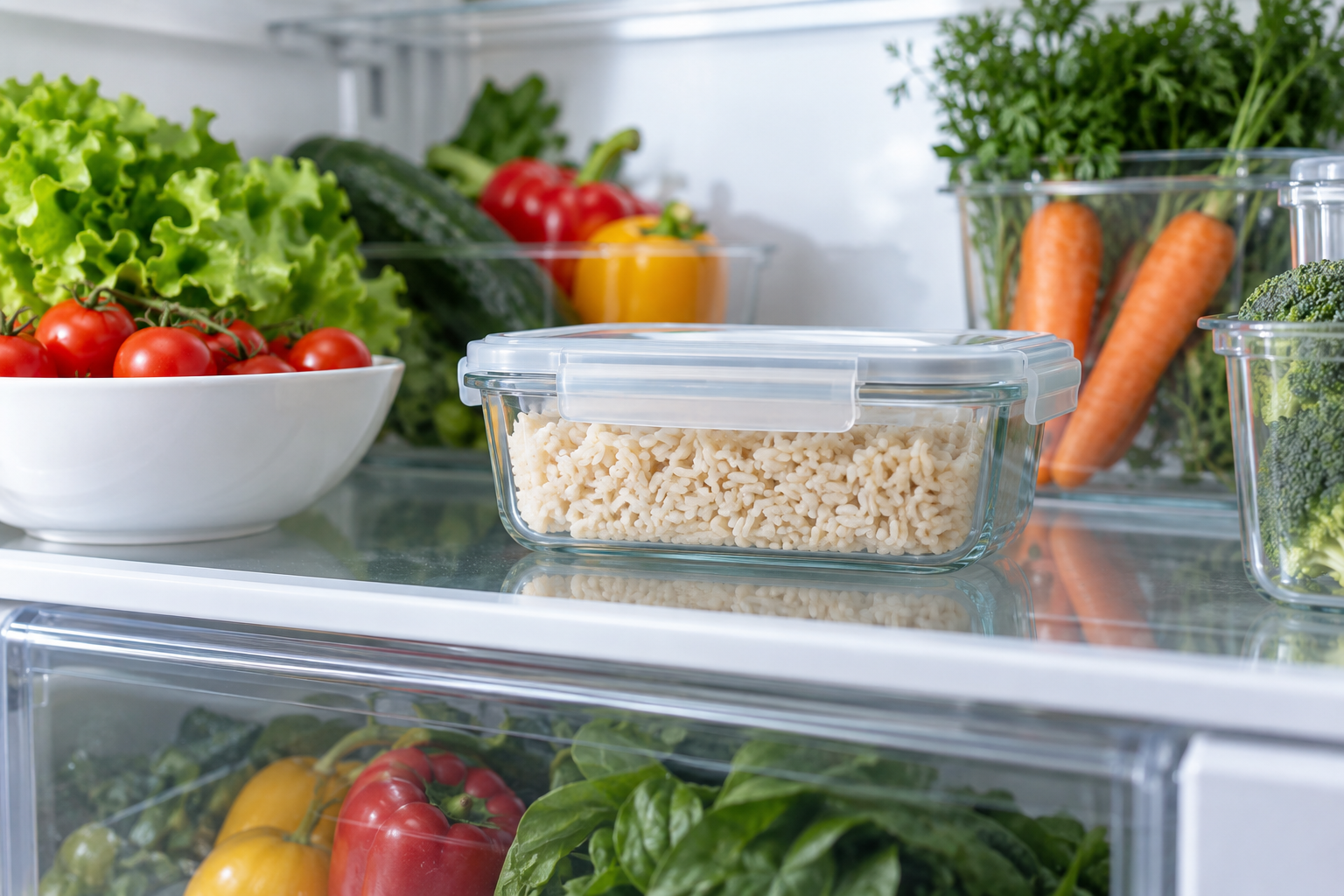
It is easier to start with common foods: legumes, suitable whole-grain dishes, and side dishes prepared with safe storage in mind. Their value is not limited to resistant starch, as they simultaneously alter the intake of other fibers, protein, and micronutrients. There is no need to isolate a single fraction and build an entire diet around it. If a product is convenient and well-tolerated, it can help diversify one's diet even without a known number of grams of RS on the plate.
Gradual progress is more important than attempting to immediately replicate the 30–45 g of the resistant fraction used in research. For habitual food, it is reasonable to start with a small, tolerable portion and increase it based on how you feel, while maintaining adequate fluid intake and regular meals. These studies have not established a universal mandatory dose of resistant starch for all people. The number of grams in a protocol serves as a description of the studied intervention rather than automatically becoming a recommendation for a daily supplement.
When choosing a powder, information is needed regarding the raw material, the proportion of the resistant fraction, and the method of use. Raw potato starch in one study and high-amylose corn material in another cannot be considered identical in their effects. If a product is heated, the initial resistance may change, so the method of preparation is also part of the dose description. "Food grade" implies the suitability of a product for appropriate use, but does not confirm treatment efficacy or identical tolerance to large quantities.
For rice, temperature control is especially important. The Food Standards Agency recommends cooling cooked rice quickly, ideally within an hour, then storing it in the refrigerator and using it within 24 hours. When reheating, it should become hot throughout; unsafe prior storage cannot be corrected by high temperature alone. It is better to cool in small portions and follow applicable local regulations than to leave a large warm pot out overnight for the sake of retrogradation.
In the case of significant bloating, pain, or changes in bowel movements, one should stop increasing the quantity and identify the cause. Active bowel diseases, obstructions, recent surgeries, and conditions under which a doctor has restricted certain dietary fibers require special individualization. A lack of benefit in one person does not necessarily mean that they need an even higher dose. Human trials with selected participants do not provide an automatic guarantee of safety for all clinical situations.
Resistant starch helps to see food more accurately: it is not only the name of the plant and the sum of carbohydrates that are important, but also the structure, processing, and interaction with the gut. The most applicable conclusions are that part of the starch can be made less accessible, microbial response varies, and clinical effects depend on the specific intervention. This is sufficient ground for sensible culinary decisions and further research. There is substantially less basis for promises of weight loss, diabetes treatment, or the prevention of all cancers.
Specific caution is needed if a person seeks to obtain resistant starch from raw potatoes. Food-grade starch powder and a raw tuber differ in composition and method of use; green or damaged tubers do not become a suitable supplement due to their RS2 content. Such an approach is unnecessary for a balanced diet and does not replicate the research material. The practical strategy remains the usual one: safely prepared foods, a tolerable quantity, and an assessment of the overall diet, especially if there are concurrent medical restrictions.
FAQ
Does chilled rice become low-carb?
No. When cooled, some starch may become less accessible to enzymes, but the main carbohydrate component remains. In a small study, the increase in the resistant fraction was about 1 g per 100 g of cooked rice, so portion size and the overall composition of the dish continue to matter.
Must I eat potatoes and rice cold?
There is no strict necessity. Some of the formed RS3 may persist after reheating, but the proportion depends on the technology and the product. Rapid cooling, refrigerated storage, and even, safe reheating are much more important.
Are 30 g of powder equal to 30 g of resistant starch?
Not necessarily. Research material may also contain a digestible portion: for example, to provide 40 g of RS2 in the Li study, 91.2 g of powder was used. To replicate the intervention, you need the composition, the analytical RS percentage, and the preparation method.
Will a supplement help with weight loss?
One controlled study with 37 participants showed weight reduction with a high dose of a specific RS2, but the effect is not established as universal or long-term. Other trials have yielded modest or negative metabolic results. It is not a substitute for a general nutrition and treatment strategy.
Can I select a dose based on microbiota analysis?
Studies show variations in microbial response but do not establish a ready-made algorithm for prescription based on commercial analysis. Bacterial nomenclature or fecal butyrate concentration does not reliably predict clinical benefit for an individual.
Does resistant starch prevent cancer?
The long-term CAPP2 study identified a reduction in certain non-colorectal cancers in people with Lynch syndrome but did not confirm a reduction in colorectal cancer. Results cannot be extrapolated to all types of cancer, tumor treatment, or regular portions of chilled food. People with hereditary risks need a prevention plan from a specialist.
What should I do if gas and pain occur?
Do not increase the amount and do not consider pain a sign of benefit. Fermentable substrate can cause symptoms, especially when the dose is increased rapidly. If discomfort is significant or persists, an assessment of the cause and an individual approach are required.
Sources
- Englyst et al. Classification and measurement of nutritionally important starch fractions (1992)
- Englyst et al. Measurement of resistant starch in vitro and in vivo (1996)
- EFSA. Resistant starch and reduction of post-prandial glycaemic responses (2011)
- Sonia et al. Effect of cooling of cooked white rice on resistant starch content and glycemic response (2015)
- Venkataraman et al. Variable responses of human microbiomes to dietary supplementation with resistant starch (2016)
- Robertson et al. Insulin-sensitizing effects of dietary resistant starch and effects on skeletal muscle and adipose tissue metabolism (2005)
- Li et al. Resistant starch intake facilitates weight loss in humans by reshaping the gut microbiota (2024)
- Peterson et al. Effect of 12 wk of resistant starch supplementation on cardiometabolic risk factors in adults with prediabetes: the STARCH trial (2018)
- Mathers et al. Cancer Prevention with Resistant Starch in Lynch Syndrome Patients in the CAPP2 Randomized Placebo Controlled Trial (2022)
- Food Standards Agency. Safer food, better business: reheating and safe rice storage