L-Carnitine: the Carnitine Shuttle, Heart, Brain, Fat Burning, and the TMAO Question
Evidence-based guide to L-carnitine: CPT-1 mitochondrial shuttle, myocardial bioenergetics, Acetyl-L-Carnitine (ALCAR) for brain function, TMAO risks, and dosing.
Updated: . An update is not evidence of expert review.
L-Carnitine: the Carnitine Shuttle, Heart, Brain, Fat Burning, and the TMAO Question
L-carnitine occupies an unusual position between fundamental biochemistry and the sports supplement industry. Without it, normal mitochondrial oxidation of long-chain fatty acids is indeed impossible. Severe inherited carnitine deficiency can lead to cardiomyopathy, muscle weakness, and hypoketotic hypoglycemia, and treatment with levocarnitine in such cases can be life-saving. But none of this means that taking additional carnitine automatically makes a healthy person “burn more fat,” improves heart function, or enhances endurance.
This is where a typical mistake of nutraceutical marketing appears: a physiologically indispensable step in a metabolic pathway is turned into an argument that increasing the amount of one participant in that pathway must necessarily accelerate the entire process.
L-carnitine, or levocarnitine, is a water-soluble zwitterionic compound derived from amino acids. In older literature it was sometimes called “vitamin BT,” but in modern nutrition science carnitine is not considered a true vitamin. A healthy adult can synthesize the required amount endogenously from lysine-derived compounds with involvement of methionine metabolism, which is why the Food and Nutrition Board has established neither an RDA nor an AI for carnitine. NIH describes carnitine more accurately as a conditionally essential nutrient: under certain diseases and physiological conditions, requirements may exceed endogenous synthetic capacity, but this is not generally the case in health.
The adult human body contains approximately 20 g of carnitine. Around 95% of the total pool is concentrated in skeletal muscle and the heart — tissues that actively use fatty acids as an energy substrate. Only about 0.5% is found in plasma. For this reason, a blood test reflects only a very small fraction of the total carnitine system and does not necessarily represent intramuscular stores.
How the Body Produces Carnitine
The initial substrate is not free lysine itself, but ε-N-trimethyllysine, which is formed after methylation of lysine residues within proteins and subsequent proteolysis.
A four-step biosynthetic pathway then begins. Trimethyllysine is first hydroxylated by TMLHE/TMLD, then converted into 4-trimethylaminobutyraldehyde, subsequently into γ-butyrobetaine, and the final step is catalyzed by γ-butyrobetaine dioxygenase BBOX1 to form L-carnitine. The liver, kidneys, and brain can complete this pathway, while skeletal muscle depends predominantly on uptake of preformed carnitine from the circulation.
Two hydroxylation reactions in this pathway are Fe²⁺- and 2-oxoglutarate-dependent dioxygenase reactions and require oxygen; ascorbate helps maintain the catalytic iron in its reduced state. Older biochemical literature has also linked adequate vitamin B6 and niacin status with normal carnitine synthesis. However, this does not mean that a mild reduction in iron or vitamin C stores in an otherwise healthy person automatically produces a clinically relevant “carnitine deficiency” that requires supplementation. Such a direct clinical relationship has not been established.
A major determinant of the body’s carnitine pool is not only synthesis but also extremely efficient renal conservation. Under normal conditions, the kidneys reabsorb approximately 98–99% of filtered carnitine. This allows the body to maintain carnitine homeostasis even when dietary intake is very low.
This explains an important paradox of vegan diets. Vegans consume far less carnitine from food than people who regularly eat meat, and they may indeed have lower plasma and muscle concentrations. But this is not equivalent to clinical deficiency: endogenous synthesis and renal reabsorption allow most healthy people to maintain an adequate functional pool. NIH notes that dietary carnitine is not an essential nutrient for healthy adults.
OCTN2: Why Muscle Cannot Simply Take Up Unlimited Carnitine From Blood
The skeletal-muscle carnitine pool is separated from plasma by a large concentration gradient. Maintaining this gradient requires the high-affinity sodium-dependent transporter OCTN2, or SLC22A5.
Its importance is best illustrated by a rare inherited disorder — primary systemic carnitine deficiency. Mutations in SLC22A5 impair cellular carnitine uptake and renal reabsorption. In severe cases, this can result in extremely low tissue carnitine, hypoketotic hypoglycemia, muscle weakness, and cardiomyopathy. Unlike ordinary use of a sports supplement, levocarnitine replacement in this condition is true pathophysiological treatment and can prevent serious cardiac damage.
At the same time, OCTN2 also explains why a healthy person cannot simply multiply intramuscular carnitine content by swallowing a large dose.
Plasma concentrations do rise after supplementation, but muscle uptake is much more tightly regulated. Studies have shown that ordinary carnitine administration does not necessarily increase muscle carnitine content. High insulin concentrations can enhance OCTN2-dependent uptake, and in one well-known trial, long-term coadministration of L-carnitine with a large carbohydrate load for 24 weeks increased muscle carnitine stores by about 21%.
But this does not mean every athlete should deliberately add large amounts of sugar to carnitine. Demonstrating a mechanism experimentally is not the same as defining an optimal real-world strategy.
The Carnitine Shuttle: What Carnitine Actually Does With Fat
The best-known role of L-carnitine is indeed connected with fatty acids.
Long-chain fatty acids are first activated to acyl-CoA. But the inner mitochondrial membrane is essentially impermeable to long-chain acyl-CoA, so it cannot enter the matrix — the site of β-oxidation — directly.
This is where the carnitine shuttle, consisting of CPT1, CACT, and CPT2, becomes essential.
On the outer mitochondrial membrane, carnitine palmitoyltransferase 1 — CPT1 transfers the long-chain acyl group from CoA to carnitine, forming acylcarnitine.
Acylcarnitine then crosses the inner mitochondrial membrane through carnitine-acylcarnitine translocase — CACT, SLC25A20. It acts as an antiporter: acylcarnitine enters the matrix in exchange for free carnitine moving outward.
On the matrix side of the inner membrane, CPT2 transfers the acyl group back to CoA. The resulting acyl-CoA enters β-oxidation, where it is progressively broken down to generate acetyl-CoA, NADH, and FADH₂. Acetyl-CoA can enter the tricarboxylic acid cycle, while the reduced cofactors feed electrons into the respiratory chain.
So the popular statement that “carnitine transports fat into mitochondria” is essentially correct. The error begins with the next step — assuming that “more carnitine means more fat will be burned.”
That does not necessarily follow.
CPT1 Is Not an Open Door That Carnitine Can Expand Without Limit
The carnitine shuttle is under strict metabolic regulation.
One of the main regulators of CPT1 is malonyl-CoA. When the cell is in an energy-replete state and actively synthesizing fatty acids, malonyl-CoA inhibits CPT1. This prevents a biochemically wasteful situation in which the cell would simultaneously synthesize new fatty acids and send them into mitochondria for breakdown.
During exercise, fasting, and other states in which greater fat utilization is required, this regulation changes and flux through CPT1 may rise.
Thus, the rate of β-oxidation is determined by much more than the absolute amount of carnitine. It depends on mobilization of fatty acids from adipose tissue, malonyl-CoA concentration, cellular energy status, hormonal signaling, exercise intensity, oxygen availability, mitochondrial capacity, and many other factors.
Carnitine is a necessary component of the system, but not the accelerator pedal that alone determines its speed.
A Second Function: Carnitine as an Acyl-Group Buffer
Carnitine is needed for more than long-chain fatty-acid transport.
During intense mitochondrial activity, large amounts of acetyl-CoA are generated. If acetyl groups accumulate faster than the tricarboxylic acid cycle can use them, the availability of free CoA declines, which can constrain other metabolic reactions.
The enzyme carnitine acetyltransferase — CrAT can temporarily transfer an acetyl group from acetyl-CoA to carnitine, forming acetylcarnitine. This liberates free CoA and helps preserve mitochondrial metabolic flexibility.
In humans, intense muscle work indeed causes a striking redistribution of the intramuscular carnitine pool: free carnitine falls while acetylcarnitine rises, even though total carnitine changes little.
This is a much more accurate description of carnitine physiology than the simplified idea that it merely “carries fat into mitochondria.”
The Heart and Carnitine: Strong Biological Logic, More Modest Clinical Evidence
The myocardium is particularly interesting in the context of carnitine.
A healthy heart is highly metabolically flexible and can use fatty acids, glucose, lactate, and ketone bodies. At rest, fatty-acid oxidation usually provides a large, often predominant share of myocardial energy requirements. Normal function of the carnitine shuttle is therefore fundamental to cardiac metabolism.
During ischemia, this picture changes. Oxygen shortage impairs mitochondrial oxidation, may alter the acyl-CoA/CoA ratio, and can lead to accumulation of long-chain acyl derivatives. Experimental work links these disturbances with membrane dysfunction, electrical instability, and cardiomyocyte injury.
This is why L-carnitine has been studied for decades after myocardial infarction and in chronic heart failure.
Some findings have indeed been encouraging. A meta-analysis of older post-infarction trials reported reductions in all-cause mortality, ventricular arrhythmias, and new-onset angina with L-carnitine. Another meta-analysis of 17 studies in chronic heart failure found an average increase in ejection fraction of about four percentage points and some improvement in hemodynamic measures.
But this cannot be interpreted as proof that “carnitine treats the heart.”
Many of these studies were conducted decades ago, before the modern era of optimized myocardial infarction and heart failure treatment; they varied substantially in quality, formulation, dosing, and background therapy. Even the heart-failure meta-analysis did not demonstrate a reduction in all-cause mortality. NIH characterizes the cardiovascular findings as mixed.
Therefore, L-carnitine is not a standard replacement for statins, antiplatelet drugs, beta-blockers, RAAS inhibitors, SGLT2 inhibitors, or other evidence-based cardiovascular therapies.
The biochemical mechanism is interesting. The clinical role is much more limited.
Why “Switching an Ischemic Heart to Glucose” Is Too Simplistic
A common hypothesis is that supplemental carnitine binds excess acyl groups, frees CoA, activates pyruvate dehydrogenase, and thereby shifts the ischemic myocardium toward more oxygen-efficient glucose oxidation.
Parts of this mechanism are plausible and fit well with what is known about CrAT and acylcarnitine buffering.
But carnitine is also essential for mitochondrial entry of long-chain fatty acids. Its metabolic effect therefore cannot be described as a simple switch in which “fat oxidation turns off and glucose oxidation turns on.” Depending on energetic state, substrate availability, and CPT1 regulation, the carnitine system may support different directions of metabolic flux.
Importantly, some experimental cardioprotective strategies are based on doing the opposite — partially reducing carnitine-dependent fatty-acid transport to decrease mitochondrial fatty-acid oxidation during ischemia.
This again demonstrates that in energy metabolism, more carnitine does not automatically mean better.
Propionyl-L-Carnitine and Intermittent Claudication
Propionyl-L-carnitine has a separate clinical history in peripheral arterial disease.
A 2021 Cochrane Review included 12 studies with 1,423 patients with intermittent claudication. On average, propionyl-L-carnitine improved maximal walking distance compared with placebo. However, the trials were heterogeneous, many were industry-funded, and the certainty of evidence was rated only moderate.
This supports a possible symptomatic effect, but not the claim that it is a “specialized drug of choice.”
The 2024 ACC/AHA guideline for lower-extremity peripheral artery disease emphasizes supervised or structured exercise therapy, smoking cessation, lipid control, blood pressure and diabetes management, antithrombotic therapy, and revascularization when indicated. These interventions have established effects on function and cardiovascular outcomes.
A possible improvement in walking distance with PLC should not distract from treatment of the underlying atherosclerotic disease.
Carnitine Forms: Why the Names Matter, but Marketing Often Exaggerates the Differences
The market does indeed contain several forms: free L-carnitine, L-carnitine L-tartrate, acetyl-L-carnitine, and propionyl-L-carnitine.
But the common idea that each one is almost an organ-specific compound — tartrate exclusively for muscle, ALCAR exclusively for the brain, PLC exclusively for blood vessels — oversimplifies the pharmacology.
All of these forms ultimately interact with the same overall carnitine system, and meaningful clinical differences depend on actual studies of each formulation rather than on appealing product positioning.
L-Carnitine L-Tartrate: Is It Really the “Sports Form”?
L-carnitine L-tartrate, or LCLT, is a salt of L-carnitine and tartaric acid and is widely used in sports supplements.
However, the claim that this form has demonstrably “the fastest absorption” in humans and is fundamentally superior to free L-carnitine is poorly supported. An animal experiment did show a faster early rise in free carnitine after LCLT, but overall bioavailability of carnitine salts was similar to that of free L-carnitine. This cannot be directly translated into clinical superiority in humans.
At the same time, there is evidence regarding post-exercise recovery. A meta-analysis of randomized trials found reductions in muscle soreness and some markers of muscle damage such as CK, myoglobin, and LDH, particularly after resistance exercise and in less-trained participants. The effects were mainly short-term and did not imply automatic enhancement of muscle growth or athletic performance.
LCLT can therefore reasonably be described as a studied sports formulation of carnitine, but not as a definitively “better” carnitine.
Acetyl-L-Carnitine: What Actually Happens in the Brain
Acetyl-L-carnitine — ALCAR — differs by having an acetyl group and can indeed reach the brain.
But the popular explanation that “ALCAR is fat-soluble, so it easily diffuses through the blood-brain barrier” is not quite correct. The molecule remains a polar carnitine derivative, and transport across the blood-brain barrier involves carrier systems, including OCTN2.
In the nervous system, acetylcarnitine participates in acyl metabolism, mitochondrial energetics, and can potentially provide acetyl groups for metabolic reactions. Experimental models suggest neurotrophic, antioxidant, and membrane-related effects.
But there is a large gap between experimental neurobiology and proven dementia treatment.
Early studies in mild cognitive impairment and Alzheimer disease produced some positive findings. However, a Cochrane Review found insufficient consistent benefit for cognitive, functional, and global clinical outcomes and concluded that routine use of ALCAR for dementia was not justified. Later reviews have likewise described its role as uncertain.
It is therefore not accurate to present ALCAR as a compound that “boosts acetylcholine synthesis and is prescribed for age-related cognitive decline.” That is a biochemical hypothesis and an investigational use, not a modern standard of care.
Diabetic Neuropathy: Another Area Where Mechanism Is Stronger Than Evidence
ALCAR has also been studied in diabetic peripheral neuropathy.
A Cochrane Review included four studies with 907 participants. There was a small signal toward pain reduction, particularly at higher doses, but the certainty of evidence was rated very low because of the limited number of trials, risk of bias, and heterogeneity.
The authors explicitly concluded that substantial uncertainty remains over whether ALCAR genuinely reduces neuropathic pain.
Thus, diabetic neuropathy is an interesting research area for ALCAR, but not a basis for presenting it as a standard universal treatment.
D-Carnitine: Why the L-Isomer Matters
The physiologically active form is L-carnitine.
D-carnitine does not perform the normal role of L-carnitine in the carnitine shuttle and can compete with it for transport systems. OCTN2 is stereoselective and has much greater affinity for the L-isomer.
For this reason, D-carnitine is not used as a nutritional or therapeutic form.
However, saying that accidental exposure to D-carnitine inevitably causes severe muscular dystrophy and “cardiac blockade” is overly dramatic. The real concern is that significant exposure could disrupt normal carnitine homeostasis and induce a functional L-carnitine deficiency.
Why Carnitine Is Not a Standalone Fat Burner
This is probably the best-known myth surrounding carnitine.
The advertising logic is simple:
carnitine transports fat into mitochondria → more carnitine → more fat enters mitochondria → the person loses weight.
The first two links have a biochemical basis. The final step does not logically follow.
In a healthy person, muscle carnitine stores are already substantial, intramuscular concentration is many times higher than plasma concentration, and uptake through OCTN2 is tightly regulated. After an ordinary oral dose, plasma carnitine rises far more easily than muscle carnitine.
Moreover, the body must first mobilize fatty acids from adipose tissue. Without an appropriate energetic and hormonal signal, having more carnitine does not create additional fatty acids to be transported.
A capsule of L-carnitine therefore cannot override energy balance.
Does That Mean Carnitine Has No Effect on Body Weight at All?
Not quite.
Here, the extreme position that “carnitine is completely useless for weight loss” is as inaccurate as the marketing claim that it “burns fat.”
A meta-analysis of 37 randomized trials involving 2,292 participants found an average additional weight reduction of about 1.2 kg, while a meta-analysis of 43 studies produced a very similar figure — around 1.1 kg. The effect was most apparent in people with overweight or obesity and remained quite heterogeneous across studies. Changes in body-fat percentage were less consistent.
A more recent 2025 umbrella meta-analysis likewise found a statistically significant but small average reduction in body weight and BMI.
The correct conclusion is therefore: L-carnitine may provide a small additional effect on body weight in some groups, particularly in people with overweight or obesity and alongside other lifestyle changes, but it is not an independent fat burner and does not replace an energy deficit.
On average, the effect is closer to about one kilogram than to a mechanism that radically changes body composition.
Are Vegans a Special Exception?
Vegans do consume far less carnitine from food.
But they should not automatically be considered a “deficient group” that particularly benefits from carnitine for fat burning.
In one study, vegetarians had lower plasma and muscle carnitine concentrations than omnivores. However, the body compensated through endogenous synthesis and renal conservation, and healthy participants did not develop a clinical deficiency syndrome.
A vegan diet by itself is therefore not an indication for L-carnitine supplementation.
A completely different situation exists in primary systemic deficiency, certain organic acidemias, end-stage kidney disease, and some drug-induced states. There, carnitine belongs to metabolic medicine rather than fitness supplementation.
Oral Carnitine Is Absorbed Much Less Efficiently Than Food-Borne Carnitine
An important pharmacokinetic feature is the low bioavailability of large oral doses.
Carnitine from ordinary food is absorbed at roughly 54–87%, with NIH citing an approximate range of 63–75%. Supplements are very different: after doses of around 0.5–6 g, absolute bioavailability is only about 5–18%, with NIH giving approximately 14–18%. As the dose increases, relative absorption becomes progressively less efficient.
This is one reason increasing the dose from one gram to several grams does not produce a proportional increase in tissue carnitine.
But this feature also has another consequence: a substantial fraction of a large oral dose remains available to the intestinal microbiota.
And this is where the TMAO story begins.
How Carnitine Becomes TMAO
A portion of L-carnitine that escapes absorption in the small intestine reaches more distal regions of the gut.
The microbiota can metabolize carnitine through several sequential pathways. One important intermediate is γ-butyrobetaine. Specific bacterial communities can then convert it to trimethylamine — TMA.
TMA is absorbed, travels to the liver, and is converted predominantly by flavin-containing monooxygenase FMO3 into trimethylamine N-oxide — TMAO.
The same general TMA→TMAO pathway exists for several other dietary trimethylamine-containing compounds, including choline and phosphatidylcholine.
So carnitine is indeed one dietary precursor of TMAO.
The question is not whether TMAO is formed. That is established.
The question is what an increase in TMAO actually means for long-term human health.
Why TMAO Became Linked to Cardiovascular Risk
Experimental studies have identified several potentially adverse mechanisms.
High TMAO levels have been linked with alterations in reverse cholesterol transport and bile-acid metabolism, increased expression of certain macrophage scavenger receptors, inflammatory signaling, and enhanced platelet reactivity.
In observational studies, people with higher TMAO do indeed tend to have more cardiovascular disease and worse outcomes. A meta-analysis of 30 prospective studies involving almost 49,000 participants found an association between elevated TMAO and increased risk of major cardiovascular events and all-cause mortality.
At first glance, this creates a simple picture:
L-carnitine → TMAO → atherosclerosis.
But the modern evidence base is much more complicated.
TMAO: Risk Factor or Metabolic Witness?
One of the biggest complications is kidney function.
TMAO is cleared predominantly by the kidneys. When glomerular filtration declines, blood TMAO rises. At the same time, chronic kidney disease itself markedly increases cardiovascular risk.
This creates a complex causal network: a person may have high TMAO partly because kidney function is impaired, while poor kidney function independently increases cardiovascular risk.
Modern reviews therefore emphasize that after adjustment for renal function, the association between TMAO and cardiovascular events becomes substantially weaker in some studies. Mendelian randomization studies have also failed to provide unambiguous evidence that genetically elevated TMAO itself causes atherosclerotic disease.
A 2025 umbrella review evaluating 27 systematic reviews and meta-analyses was particularly instructive. The authors identified major methodological limitations across much of the literature and concluded that confidence in either a causal or prognostic role of TMAO remains low.
A careful contemporary conclusion is therefore:
high TMAO is consistently associated with adverse cardiovascular outcomes, and experimental mechanisms support possible causality, but it has not yet been definitively established as an independent causal driver of atherosclerosis in humans.
The Fish Paradox
There is another reason not to reduce TMAO to a simple “bad molecule.”
Some marine fish and seafood contain large amounts of preformed TMAO, sometimes far more than is generated from other dietary trimethylamine precursors.
Yet eating fish as part of a healthy diet is not associated with the cardiovascular harm one might expect if every acute increase in TMAO automatically damaged blood vessels.
This paradox does not prove that every TMAO concentration is harmless. It does show how misleading it can be to judge an entire food or supplement based on a single postprandial metabolite.
Omnivores, Vegans, and the Capacity to Produce TMAO
Early studies showed a striking difference: after a carnitine challenge, omnivorous participants produced much more TMAO than vegans and vegetarians.
In one well-known experiment, the difference after labeled L-carnitine exceeded twenty-fold. The explanation was not genetics but the composition and functional potential of the gut microbiome.
However, the idea that “vegans do not produce TMAO from carnitine at all” also turned out to be too simplistic.
Newer work indicates that microbial metabolic capacity is adaptive. Prolonged L-carnitine intake can increase the abundance of bacterial genes involved in converting γ-butyrobetaine to TMA, and this adaptation has been observed even in people who initially followed plant-based diets. High adherence to plant-based eating patterns, conversely, may reduce this potential.
The microbiome is therefore not a fixed characteristic. It adapts to the substrates it receives repeatedly.
Should Carnitine Be Limited to Two Grams and Taken Only in Six- to Eight-Week Cycles Because of TMAO?
There is currently no evidence-based rule of this kind.
No validated clinical threshold shows that 2 g per day is safe with respect to TMAO while 2.5 or 3 g becomes dangerous.
There is no evidence that splitting one daily dose into two necessarily lowers long-term cardiovascular risk.
And there is no clinical basis for the rule “take it for six to eight weeks, then stop” as a strategy for preventing TMAO-related atherosclerosis.
In fact, chronic carnitine exposure can gradually shift the microbiota toward greater TMAO-producing capacity, so a short break cannot be considered a proven protective strategy.
Intravenous L-carnitine does bypass first-pass exposure of the oral dose to gut microbiota, but intravenous use is a medical route for specific indications, not a method of “safer sports supplementation.”
What a Direct Long-Term Carnitine Trial Found
TMAO is not the only reason for caution.
In a six-month randomized trial of 157 older adults with metabolic syndrome, participants received 1 g of L-carnitine twice daily or placebo.
The study found no difference in total atherosclerotic plaque volume between groups, but total cholesterol and LDL increased in the L-carnitine group. In some male subgroups, greater progression of carotid stenosis was also observed. NIH cites this kind of evidence when noting that the long-term cardiovascular effects of supplemental carnitine remain unclear.
This does not prove that L-carnitine causes atherosclerosis.
But it also means that carnitine cannot be presented as an unequivocally cardioprotective supplement.
The Thyroid: An Interesting Mechanism That Became an Exaggerated Contraindication
Carnitine has an unusual relationship with thyroid hormones.
Older experimental work and a small randomized study suggested that L-carnitine can reduce some peripheral effects of thyroid hormones, possibly by interfering with their nuclear action in target cells.
In a study of women receiving suppressive doses of levothyroxine, 2–4 g of L-carnitine per day reduced several symptoms of thyrotoxicosis. This is where the description of carnitine as a “peripheral antagonist of thyroid hormone action” originated.
But this does not make carnitine a standard treatment for hyperthyroidism.
Even less does it justify saying that it is strictly contraindicated in everyone with hypothyroidism.
There are insufficient high-quality data showing that ordinary doses of carnitine supplements meaningfully worsen well-controlled hypothyroidism in patients taking levothyroxine. There is also no universal recommendation to check TSH and free T4 in every healthy person before a short course of L-carnitine.
Reasonable caution in severe or poorly controlled hypothyroidism is justified, particularly at gram-level doses. Turning limited pharmacological literature into an absolute contraindication is not.
Valproate: Here the Interaction Is Clinically Important
Valproic acid is one area in which carnitine has a real medical role.
Valproate can lower carnitine stores and disrupt mitochondrial fatty-acid metabolism. In severe intoxication, hyperammonemia, and hepatotoxicity, L-carnitine is used as part of treatment. A 2024 review supports its use in valproate-induced hyperammonemia or hepatotoxicity, although the optimal dosing strategy remains debated.
But the statement that “every patient taking valproate chronically must receive preventive L-carnitine” is too broad.
Historical recommendations particularly supported prophylaxis in high-risk children — very young patients, those receiving multiple anticonvulsants, people with poor nutrition, neurological impairment, or documented low carnitine. Universal mandatory prophylaxis for every adult on stable valproate therapy has not been established.
The more accurate approach is individual risk assessment rather than automatic supplementation for everyone.
Pivalate-Containing Antibiotics Really Can Deplete Carnitine
Some drugs contain pivalate groups.
After metabolism, pivaloyl-CoA is formed, binds carnitine, and is excreted in urine as pivaloylcarnitine. With prolonged or intensive treatment, this can substantially deplete body carnitine stores.
Short courses of most such drugs rarely cause clinically significant deficiency in healthy adults. Greater caution is warranted with prolonged exposure, in children, and in patients with pre-existing abnormalities of carnitine homeostasis.
This is a genuine drug interaction, unlike many internet lists of supposed carnitine “incompatibilities.”
Safety: Where the Practical Limit Begins
No official Tolerable Upper Intake Level has been established for L-carnitine.
That does not mean there is no practical upper range.
NIH notes that at around 3 g per day, the risk of nausea, vomiting, abdominal cramps, diarrhea, and a characteristic fishy body odor increases. In patients with uremia, muscle weakness can occur, and increased seizure frequency has been reported in people with seizure disorders.
The fishy odor is related to metabolism of trimethylamine-containing compounds. It does not necessarily indicate toxic injury, but it can be a practical sign that much of the dose is not being utilized in the way the user expected.
The low bioavailability of gram-level doses also explains why increasing intake further rapidly becomes irrational: most of the extra compound will never meaningfully enter systemic carnitine stores.
Should a Healthy Person Measure Carnitine in Blood?
Usually not.
When true deficiency is suspected, clinicians measure free and total carnitine and may also calculate the acylcarnitine-to-free-carnitine ratio. NIH notes that free plasma carnitine around 20 µmol/L or lower and total carnitine around 30 µmol/L or lower are considered abnormally low, although interpretation always depends on context.
Such testing is genuinely useful when primary systemic deficiency is suspected, in some inherited disorders of β-oxidation or organic-acid metabolism, in selected patients on hemodialysis, and in certain drug-induced states.
There is no basis for screening every athlete for “hidden carnitine deficiency.”
Should TMAO Be Measured?
Not in routine clinical practice.
Despite extensive research interest, TMAO is not yet a standard screening biomarker used to decide whether L-carnitine should be started or stopped.
Its concentration depends strongly on kidney function, current diet, microbiome composition, and time since the last meal, and there are no universally accepted thresholds that define “safe” versus “pathological” TMAO for routine use.
TMAO research is extremely important for understanding the interaction between diet, the microbiome, and cardiovascular disease. But at present it remains much more of a research tool than an ordinary preventive-medicine test.
Sports: Does L-Carnitine Improve Performance?
The results are heterogeneous.
Systematic reviews show that some studies found improvements in selected measures of high-intensity exercise, such as peak power, perceived exertion, or total work performed. Other studies found no meaningful differences. Results for moderate-intensity aerobic exercise are especially unconvincing. NIH therefore describes the overall evidence for athletic performance as mixed.
Interestingly, the most substantial metabolic effect on muscle carnitine was not seen after a single capsule before exercise, but after a multi-month regimen of carnitine combined with marked insulin stimulation. This does not fit well with the marketing image of L-carnitine as an acute pre-workout fat burner.
For recovery after heavy resistance exercise, the evidence is somewhat more interesting: there may be a small reduction in DOMS and certain markers of muscle damage. But this still does not demonstrate increased hypertrophy or strength.
Does It Make Sense to Take L-Carnitine Before Training?
There is no strict physiological requirement to take it 30–60 minutes before exercise.
Oral carnitine does not act like caffeine, where the rise in blood concentration can be directly linked to an acute stimulant effect.
The main limitation for carnitine is not the presence of the molecule in plasma, but its entry into the intramuscular pool through regulated OCTN2 transport.
So the common protocol “2 g 45 minutes before cardio to carry fat into mitochondria” is much less biochemically convincing than it appears on sports nutrition labels.
If L-carnitine does have an ergogenic effect, it is more likely to involve longer-term adaptations, changes in carnitine stores, acyl buffering, and recovery than an immediate activation of fat burning.
Dietary Sources and Why Red Meat Contains So Much Carnitine
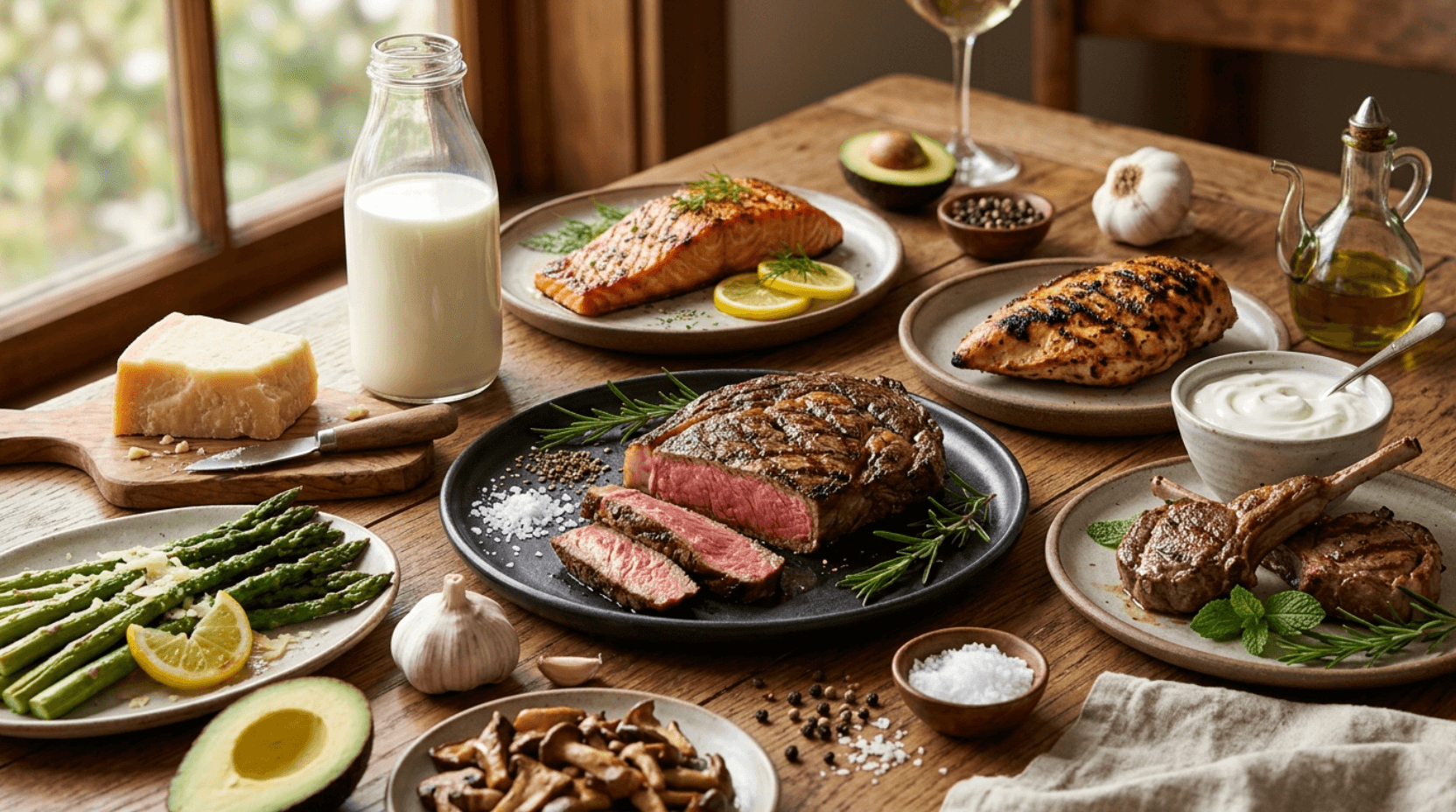
Carnitine is found predominantly in animal-derived foods, especially red meat.
According to NIH, cooked beef can provide tens of milligrams of carnitine per serving, while chicken and fish contain substantially less, and plant foods contain only trace amounts. Dairy products also contribute.
An interesting pharmacokinetic detail is that small amounts of carnitine from ordinary food are absorbed much more efficiently than gram-level supplements.
So a person consuming, for example, 50–100 mg from meat may absorb a much larger fraction of that dose than someone swallowing a 2 g capsule.
Once again, a larger number on a label does not mean a proportionally larger amount in tissues.
Who Might Actually Need Carnitine?
It is useful to separate four very different situations.
First — true deficiency. Primary systemic OCTN2 deficiency, certain inherited metabolic disorders, specific secondary deficiencies, and some patients on hemodialysis. Here carnitine may be part of essential medical treatment.
Second — drug-induced deficiency or toxicity. The most important example is severe valproate toxicity; prolonged exposure to pivalate-containing drugs is another distinct situation.
Third — diseases in which carnitine is being studied as adjunctive therapy. These include heart failure, peripheral arterial disease, some neuropathies, and metabolic disorders. There are individual positive findings, but they do not turn carnitine into a universal standard treatment.
Fourth — a healthy person using a sports supplement. Here the expected effects are much smaller: possible modest effects on recovery or selected high-intensity performance measures, and a small average effect on body weight in people with overweight.
These represent very different levels of evidence and should not be conflated.
Practical Meaning for Weight Loss
If a person takes L-carnitine solely to lose weight, expectations should be realistic.
By itself, it does not create an energy deficit, activate lipolysis independently of hormonal regulation, or force adipocytes to release fat simply because the mitochondrial carnitine shuttle exists.
However, meta-analyses do suggest a small additional effect of roughly 1 kg in people with overweight or obesity.
So it can be described as a possible weak adjunct, not a primary fat-loss tool.
The effects of calorie intake, physical activity, muscle retention, sleep, and behavioral consistency belong to an entirely different category in terms of impact.
Practical Meaning for Sports
For a healthy training individual, L-carnitine is not a first-line evidence-based supplement.
Creatine monohydrate has a much stronger evidence base for strength and muscular performance. Caffeine is far better established as an acute ergogenic aid. Carbohydrates have an obvious role during prolonged intense exercise.
Carnitine is interesting mainly because it participates in a genuinely fundamental metabolic system, but translating this physiology into a noticeable athletic advantage has proven much more difficult.
If it is used at all, there is no evidence that a special “fat-burning form,” exact dosing 45 minutes before exercise, or six-week cycling is required.
Practical Meaning for the Heart
For someone with cardiovascular disease, the situation is almost the opposite of fitness marketing.
There is older clinical literature in which L-carnitine showed potential benefits after myocardial infarction and in heart failure. There are biologically plausible mechanisms related to myocardial energy metabolism.
But there are also concerns about TMAO and data suggesting potentially unfavorable changes in lipids during prolonged supplementation.
For this reason, taking several grams of L-carnitine independently “to protect the heart” cannot be considered an evidence-based preventive strategy.
Modern cardiovascular treatment is built around interventions proven to reduce myocardial infarction, stroke, hospitalization, and mortality. Carnitine should not replace them.
Practical Meaning for the Brain
ALCAR does have more interesting neuropharmacology than ordinary L-carnitine and can reach the brain.
But it is not a “nootropic proven to increase acetylcholine and BDNF in humans.”
Findings in dementia are inconsistent, and evidence in diabetic neuropathy is of low or very low certainty.
A healthy person therefore has no strong reason to take ALCAR simply because it “crosses the blood-brain barrier,” just as brain penetration itself does not prove cognitive enhancement.
What the Biochemistry of Carnitine Actually Allows Us to Conclude
L-carnitine is a fundamentally important metabolite.
Without it, long-chain fatty acids cannot normally cross the inner mitochondrial membrane for β-oxidation. Carnitine helps maintain the balance between free CoA and acyl groups, supports metabolic flexibility in muscle and heart, and is critically important in rare states of true deficiency.
But precisely because its function is fundamental, it is easy to make a false inference that additional carnitine must improve a normally functioning system.
In healthy people, the body synthesizes what it needs, the kidneys conserve it extremely efficiently, and muscle uptake is tightly controlled through OCTN2. Therefore, an excess in plasma after supplementation does not translate proportionally into more carnitine inside muscle or faster fat oxidation.
For weight loss, the correct position lies between two extremes: L-carnitine is not a standalone fat burner, but meta-analyses suggest a small average additional effect on body weight, especially in overweight and obesity.
In cardiology, there are interesting older data, but not enough to make carnitine a standard cardioprotective therapy.
ALCAR does reach the nervous system, but clinical benefit in cognitive disorders and neuropathy remains uncertain.
TMAO is genuinely produced from carnitine through the gut microbiota and is associated with cardiovascular risk, but its independent causal role has not been definitively established. Nor is there a scientifically established “safe carnitine cycle” that reliably solves the TMAO issue.
The central principle can be summarized this way: L-carnitine is essential for normal mitochondrial oxidation of long-chain fatty acids, but the necessity of a molecule within a metabolic pathway does not mean that supplying it above physiological requirements will accelerate that pathway. The real benefits of carnitine are greatest where carnitine is truly deficient; in healthy people, the effects of supplementation are far smaller than the fundamental role of carnitine itself.
This material is for educational purposes only and does not replace medical consultation, diagnosis, or individualized treatment.
FAQ
Can L-carnitine burn fat if I do not exercise?
No. Carnitine only delivers fatty acids into mitochondria. Without physical exertion or a caloric deficit creating metabolic demand for ATP, the transported fatty acids are not oxidized.
What is the primary difference between L-carnitine and ALCAR?
L-carnitine tartrate supports muscle recovery and heart function, while Acetyl-L-Carnitine (ALCAR) crosses the blood-brain barrier to enhance cognitive processing and memory.
Sources
- NIH Office of Dietary Supplements. Carnitine — Fact Sheet for Health Professionals
- Strijbis K, Vaz FM, Distel B. Enzymology of the carnitine biosynthesis pathway. IUBMB Life
- Vaz FM, Wanders RJA. Carnitine biosynthesis in mammals
- Rebouche CJ. Ascorbic acid and carnitine biosynthesis. American Journal of Clinical Nutrition
- Carnitine Inborn Errors of Metabolism
- Stephens FB et al. Insulin stimulates L-carnitine accumulation in human skeletal muscle
- Wall BT et al. Chronic oral ingestion of L-carnitine and carbohydrate increases muscle carnitine content and alters muscle fuel metabolism during exercise in humans. Journal of Physiology
- Pharmacokinetics of L-carnitine
- DiNicolantonio JJ et al. L-carnitine in the secondary prevention of cardiovascular disease: systematic review and meta-analysis. Mayo Clinic Proceedings
- Song X et al. Efficacy and Safety of L-Carnitine Treatment for Chronic Heart Failure: A Meta-Analysis of Randomized Controlled Trials
- Cochrane Review. Propionyl-L-carnitine for intermittent claudication
- 2024 ACC/AHA Multisociety Guideline for the Management of Lower Extremity Peripheral Artery Disease
- Cochrane Review. Acetyl-L-carnitine for dementia
- Cochrane Review. Acetyl-L-carnitine for the treatment of diabetic peripheral neuropathy
- Askarpour M et al. Beneficial effects of L-carnitine supplementation for weight management in overweight and obese adults
- Talenezhad N et al. Effects of L-carnitine supplementation on weight loss and body composition
- Koeth RA et al. L-carnitine in omnivorous diets induces an atherogenic gut microbial pathway in humans
- Gut microbes with the gbu genes determine TMAO production from L-carnitine intake and serve as a biomarker for precision nutrition
- Gut Microbiota-Derived TMAO: A Causal Factor Promoting Atherosclerotic Cardiovascular Disease?
- Circulating TMAO and cardiovascular, cerebral, and renal diseases including mortality: umbrella review, 2025
- Benvenga S et al. Usefulness of L-carnitine, a naturally occurring peripheral antagonist of thyroid hormone action, in iatrogenic hyperthyroidism
- L-carnitine for valproic acid-induced toxicity, 2024
- Brass EP. Pivalate-generating prodrugs and carnitine homeostasis in man