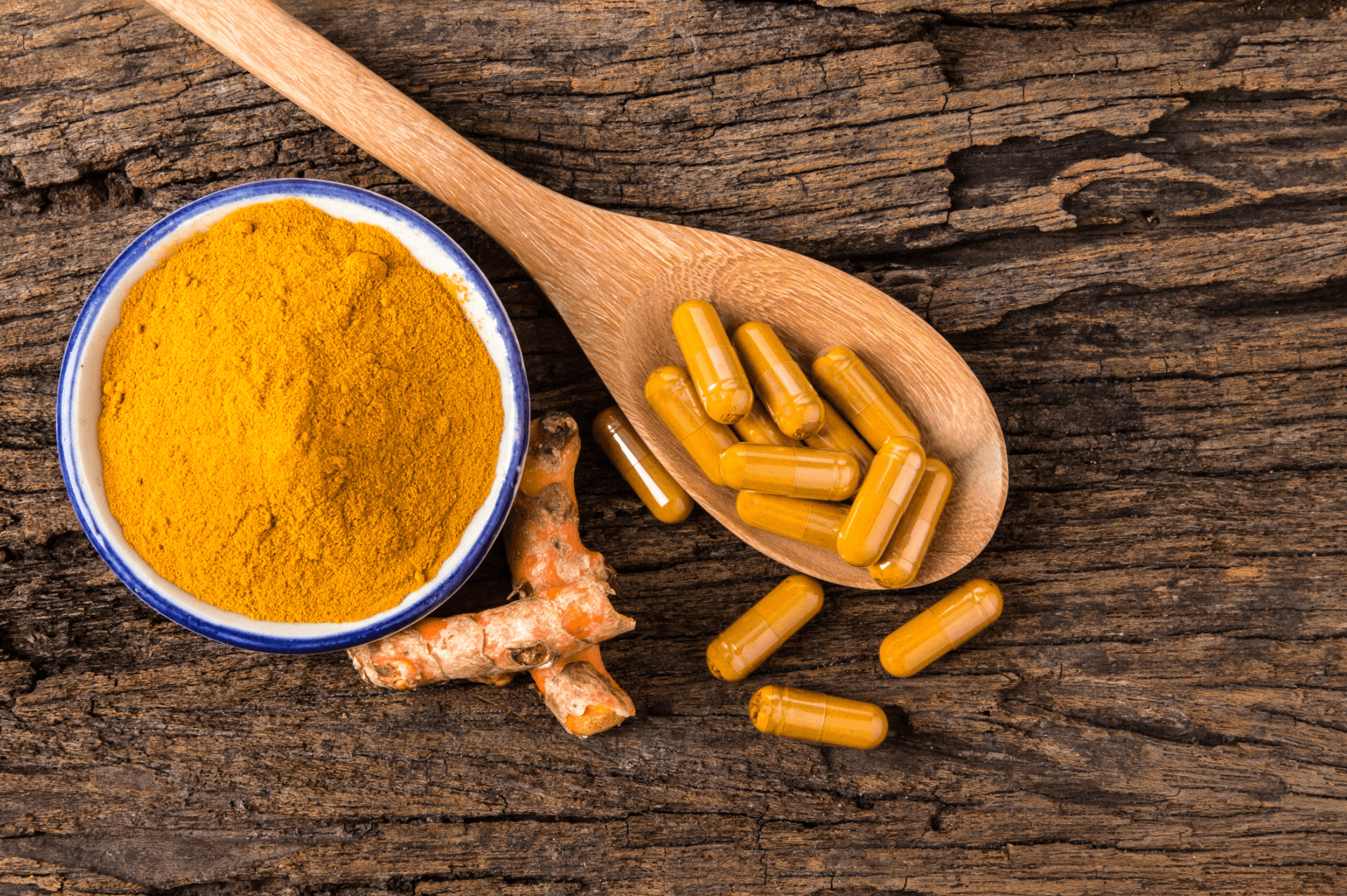
Curcumin: Anti-Inflammatory Potential, the Bioavailability Problem, and the Risks of Concentrated Supplements
Clinical guide to curcuminoids: NF-kB signaling inhibition, bioavailability challenges, piperine synergy, joint health, and safety contraindications.
Curcumin: Anti-Inflammatory Potential, the Bioavailability Problem, and the Risks of Concentrated Supplements
Turmeric is one of the rare ingredients that exists simultaneously in three very different worlds. In the kitchen, it is an ordinary spice that gives food its characteristic yellow-orange color. In traditional South Asian medical systems, it has been used for centuries. And in the modern supplement market, curcumin has become almost a universal anti-inflammatory agent: it is sold for joint health, cardiovascular health, the liver, the gut, metabolic health, exercise recovery, and even for “systemic inflammation reduction.”
There is real biochemistry behind this interest. Curcumin does interact with numerous cellular signaling systems involved in inflammation and oxidative stress. In laboratory experiments, it can influence NF-κB, Nrf2, cytokines, cyclooxygenase-2, and a wide range of other molecular targets.
But there is a considerable distance between what a molecule does in a cell culture and what a capsule does in the human body.
The main reason is curcumin’s unusual pharmacokinetics. Native curcumin is poorly soluble, poorly absorbed, and rapidly metabolized. This is why the pharmaceutical and nutraceutical industries have developed an entire class of formulations designed to increase its delivery into the body: piperine, phospholipid complexes, micelles, nanoparticles, and other delivery systems.
And this is where curcumin’s central paradox appears: the better we have become at delivering it into the body, the more important it has become to treat it not as a harmless spice, but as a biologically active supplement with its own interactions and risks.
Turmeric and curcumin are not the same thing
Curcumin is obtained from the rhizome of Curcuma longa, a plant from the ginger family. But ordinary turmeric powder consists of far more than curcumin alone.
It contains essential oils, carbohydrates, proteins, resins, and other plant compounds. Curcuminoids usually make up only a few percent of the dried material. The main compounds are curcumin, demethoxycurcumin, and bisdemethoxycurcumin. Their total content varies considerably depending on cultivar, growing conditions, and analytical method; reviews commonly report roughly 2–9% total curcuminoids in turmeric. In a typical curcuminoid mixture, curcumin accounts for the largest share, while the remainder consists mainly of the two related compounds.
This immediately explains why a tablespoon of turmeric and a standardized curcumin capsule are completely different products.
If turmeric powder contains only a few percent curcuminoids, then 2 grams of spice provides only tens of milligrams of the curcuminoid mixture. A concentrated extract may contain several hundred milligrams in a single capsule, while modern delivery systems can further alter how much of that material becomes available to the body.
That is why the statement “I eat turmeric all the time and I am fine” says very little about the safety of a highly bioavailable curcumin capsule. By the same logic, research on concentrated curcumin cannot automatically be applied to normal culinary use of turmeric.
Where curcumin’s reputation as a powerful anti-inflammatory came from
Interest in curcumin did not appear out of nowhere.
In experimental models, the molecule interacts with a large number of proteins and signaling pathways. The most famous of these is NF-κB, a transcription factor that regulates the expression of many genes involved in the inflammatory response.
In a simplified model, NF-κB remains inactive inside the cell because it is restrained by proteins of the IκB family. Under inflammatory signaling, this brake is released, NF-κB moves into the nucleus, and participates in activating genes associated with cytokines and inflammatory enzymes.
In cell and animal experiments, curcumin can interfere with several stages of this cascade. Changes have been described in signaling related to TNF-α, IL-1β, IL-6, COX-2, and iNOS.
Another frequently discussed mechanism involves Nrf2, a transcription factor that regulates cellular defense systems against oxidative stress. Experimental studies suggest that curcumin can affect Nrf2/ARE signaling and thereby alter the expression of various antioxidant and cytoprotective enzymes.
On a diagram, all of this looks impressive. Curcumin can be placed in the center with arrows pointing toward dozens of inflammatory and antioxidant pathways.
But this is where one of the most common mistakes in nutraceutical interpretation appears.
A molecular mechanism is not the same thing as evidence of clinical treatment.
A large proportion of the attractive NF-κB, Nrf2, cytokine, and enzyme diagrams are based on cell studies, animal models, and concentrations that may not be achievable in human tissues after ordinary supplement use. Even modern reviews of these mechanisms explicitly note the need for clinical research before such models can be translated into actual disease treatment.
So the more accurate statement is not “curcumin blocks inflammation,” but something more cautious:
curcumin has biologically plausible anti-inflammatory potential, some of which is supported by clinical studies, but its significance depends on the condition, formulation, dose, and quality of the evidence.
Where curcumin actually has a clinical signal
The most consistent clinical interest has been in osteoarthritis, particularly osteoarthritis of the knee.
In recent years, numerous randomized trials and meta-analyses have examined curcumin or turmeric preparations compared with placebo or other interventions. Many have reported reductions in pain and improvements in certain measures of joint function.
However, the quality of the studies is uneven. Different extracts, different bioavailability technologies, different doses, and different treatment durations are used. That makes it difficult to combine everything into a single standardized “curcumin protocol.”
Even NCCIH — the U.S. National Institutes of Health center focused on complementary approaches — frames the conclusion cautiously: early results in osteoarthritis appear promising, but better-quality studies are still needed before firm conclusions can be drawn.
This distinction matters.
Curcumin is not in the same evidence category as a well-established drug with a clearly defined dose, indication, and reproducible treatment effect.
But it would also be inaccurate to dismiss it as “just yellow powder with no evidence.”
A more reasonable description is that curcumin is a promising adjunctive option with moderate but still heterogeneous evidence, especially for osteoarthritis symptoms.
What about metabolic syndrome, liver health, and “systemic inflammation”?
Curcumin has been studied far beyond osteoarthritis.
Research has examined lipid profiles, glycemic control, metabolic syndrome, obesity, nonalcoholic fatty liver disease, gastrointestinal disorders, recovery after exercise, and many other conditions.
Some meta-analyses do report changes in individual biomarkers.
But this is where it becomes particularly easy to make a logical leap.
If a study shows a modest reduction in CRP, triglycerides, or a particular cytokine after eight weeks of supplementation, that does not automatically mean that “chronic systemic inflammation” has been proven to be treated as a clinical disease entity.
NCCIH currently notes that research on turmeric and curcumin in osteoarthritis, fatty liver disease, and lipid disorders is extensive, but the available evidence is still insufficient to establish broad clinical benefit across medical conditions.
This is why statements such as “curcumin is indicated for metabolic syndrome” or “curcumin treats low-grade chronic inflammation” go beyond what the current evidence supports.
Curcumin’s main problem is that very little of it reaches where we expect it to act
If we look only at molecular experiments, curcumin can appear almost ideal.
But it has a fundamental pharmacokinetic problem: native curcumin has very low oral bioavailability.
It is poorly soluble in water, has limited intestinal absorption, and once absorbed is rapidly metabolized, including through glucuronidation and sulfation.
As a result, concentrations of free parent curcumin in the blood are often extremely low after ordinary oral intake.
This phenomenon has been known for years and is one of the main reasons new delivery systems were developed.
But the popular phrase “ordinary turmeric does not work because curcumin is not absorbed” is too simplistic.
First, curcumin and its metabolites may not have identical biological effects. Second, local effects in the gastrointestinal tract are possible. Third, biological activity cannot be judged solely by the plasma concentration of free curcumin.
So low bioavailability is a real pharmacokinetic limitation, but it does not justify a simple equation:
low free curcumin in blood = no biological effect.
Why numbers like 2000%, 29×, and 185× appeared around bioavailability
Supplement manufacturers quickly realized that poor bioavailability was both a scientific problem and a major marketing opportunity.
That led to formulations with piperine, phospholipid complexes, micronized powders, liposomes, micelles, and nanoparticles.
This is where impressive claims such as “2000% greater absorption” come from.
The most famous example is a 1998 study in which participants received 2 g of curcumin alone or together with 20 mg of piperine. Adding piperine markedly increased measurable bioavailability, and the authors reported an increase of 2000%.
The number is real.
But it does not mean that any curcumin supplement combined with black pepper will be “20 times more effective” in the human body.
It describes a pharmacokinetic endpoint from a specific experiment using specific doses, a specific formulation, specific sampling times, and a specific analytical method.
A similar story applies to phospholipid complexes. In one crossover study, a lecithin-based formulation produced approximately a 29-fold increase in total curcuminoid absorption compared with the corresponding unformulated mixture. Yet the authors also noted that plasma contained mainly phase II metabolites, and that achieved concentrations still remained below those required to inhibit many of the proposed inflammatory targets in laboratory models.
In another study involving 23 healthy volunteers, a liquid micellar formulation produced approximately a 185-fold increase in AUC of total curcuminoids compared with native powder.
That number is real as well.
But again: 185 times greater AUC does not mean 185 times greater reduction in pain, inflammation, or disease risk.
Pharmacokinetics and clinical efficacy are different levels of evidence.
Piperine: a simple way to increase absorption that also complicates interactions
Piperine — an alkaloid from black pepper — became one of the most popular strategies for increasing curcumin bioavailability.
It can influence metabolic enzymes and transport systems in the intestine and liver. Experimental studies have shown inhibition of CYP3A4 and P-glycoprotein, systems involved in the metabolism or transport of many medications.
This helps explain why piperine can increase systemic exposure to curcumin.
But the same mechanism raises an obvious question: if the substance alters transporters and enzymes that are not specific to curcumin, what happens to other medications taken at the same time?
The answer is not as simple as supplement websites sometimes suggest.
Potential interactions involving CYP3A4, P-glycoprotein, and other enzymes are biologically plausible. But the clinical importance depends on the specific drug, the dose of piperine, and the individual person’s metabolism. For many combinations, high-quality human data simply do not exist.
So the correct recommendation is not “piperine definitely causes dangerous interactions with all cardiovascular, anticonvulsant, or sedative drugs.”
A better formulation is:
the more medications a person takes — especially drugs with a narrow therapeutic range — the less reason there is to casually add a highly bioavailable curcumin-piperine product.
High bioavailability turned out not to be only an advantage
For many years, curcumin’s main weakness was considered to be poor absorption.
Today, the situation has become more complicated.
The market now includes formulations specifically designed to produce much greater systemic exposure. At the same time, reports have accumulated of drug-induced liver injury associated with turmeric and curcumin supplements.
LiverTox, a database from the U.S. National Institute of Diabetes and Digestive and Kidney Diseases, now classifies turmeric as a well-documented cause of clinically apparent liver injury. At the same time, the absolute risk appears to remain very low. Current estimates place the frequency somewhere around one case per 10,000 to one per 100,000 users.
The typical pattern is hepatocellular injury with marked elevations in liver enzymes. Symptoms may appear several weeks or months after starting the supplement and can include fatigue, nausea, loss of appetite, dark urine, itching, and jaundice.
In most reported cases, the condition improved after the product was discontinued.
Of particular interest is the fact that many cases involved enhanced-bioavailability formulations, including products containing piperine. However, liver injury has also been described with some products that did not contain piperine, so it cannot be treated as the sole cause.
NCCIH now specifically warns that highly bioavailable forms of curcumin may be associated with liver injury.
This changes the older logic of supplement selection.
The traditional idea was simple:
the higher the bioavailability, the better the product.
A more accurate modern view is:
the higher the bioavailability, the higher the potential systemic exposure — which may amplify not only intended effects, but adverse effects as well.
Which liver-related symptoms should not be ignored
Most people tolerate turmeric and curcumin without serious problems.
But in light of reported liver injury, there are specific warning signs worth taking seriously.
If marked fatigue, persistent nausea, loss of appetite, dark urine, pale stools, itching, or yellowing of the skin or eyes develop after starting a concentrated curcumin supplement, the product should be stopped and medical evaluation sought. NCCIH specifically recommends discontinuing turmeric or curcumin products when symptoms suggestive of liver injury appear.
This may be especially relevant when the formulation contains piperine or another bioavailability-enhancing technology.
At the same time, there is no justification for routine liver testing in every healthy person before adding a teaspoon of turmeric to food. The concern applies to concentrated supplements and to the development of clinical symptoms.
The gallbladder: this is one area where caution is justified
The original material was closer to the evidence on biliary safety, although the wording still needed to be less dramatic.
Turmeric has traditionally been used for certain digestive complaints, and experimental and small clinical studies suggest that it can influence bile secretion and gallbladder contraction.
For this reason, the European Medicines Agency recommends avoiding Curcuma longa preparations in people with bile duct obstruction, cholangitis, gallstones, and other biliary disorders unless they are under medical supervision.
But this does not mean that every healthy person needs an abdominal ultrasound before starting curcumin.
No major guideline recommends such screening.
If someone already knows that they have gallstones, has experienced biliary colic, has bile duct obstruction, or has another significant biliary disorder, concentrated curcumin should not be started casually.
But ultrasound screening of all potential supplement users would be a separate intervention that is not supported by the available evidence.
Curcumin, warfarin, and bleeding risk
Another common claim is that “curcumin thins the blood, so it is absolutely contraindicated with anticoagulants.”
The reality is less certain.
Experimental data suggest that turmeric and curcumin may influence platelet function and coagulation pathways, and isolated interaction reports exist with warfarin. For this reason, reference sources generally advise caution when combining curcumin with anticoagulants or antiplatelet drugs.
But the evidence is much weaker than the statement “curcumin substantially increases the risk of spontaneous bleeding.”
Even modern reviews of food and herbal interactions with oral anticoagulants emphasize how little high-quality randomized evidence exists for most of these combinations and how difficult it is to quantify the true clinical risk.
Therefore, someone taking warfarin, apixaban, rivaroxaban, dabigatran, clopidogrel, or another drug affecting hemostasis should avoid adding high-dose curcumin without discussing it with a clinician.
This is particularly important with warfarin, where even relatively small pharmacokinetic changes can matter because of its narrow therapeutic range.
But turning a potential interaction into a claim of guaranteed bleeding would also be inaccurate.
Should curcumin be stopped two weeks before surgery?
Recommendations to stop herbal supplements before planned surgery are common because the composition of such products can vary and some may potentially influence hemostasis or drug metabolism.
But for curcumin, there is no well-established universal interval proven to be “10–14 days for everyone.”
A more practical rule is: before surgery, endoscopy, or any procedure with a meaningful risk of bleeding, tell the surgeon, dentist, and anesthesiologist about all supplements you take, including curcumin and piperine, and follow their specific instructions on when to stop them.
This is more accurate than inventing a universal perioperative protocol for dietary supplements.
Pregnancy: once again, a spice and a concentrated extract are different things
Using turmeric in ordinary culinary amounts and taking a concentrated extract during pregnancy are not the same situation.
Turmeric is a common food ingredient in many cultures.
For high doses and concentrated supplements, however, much less safety information is available. NCCIH states that turmeric supplements may be unsafe during pregnancy, and there is insufficient information about doses above food amounts during breastfeeding.
Pregnancy is therefore not an appropriate time to experiment with 500–1000 mg of concentrated curcuminoids in an attempt to “reduce inflammation.”
But banning curry because it contains turmeric would be an entirely different extreme.
Does it make sense to take curcumin with fatty food?
Curcuminoids are lipophilic and poorly soluble in water, so dietary fat can theoretically help with solubilization and absorption.
For that reason, advice to take some curcumin formulations with a meal containing fat is biologically reasonable.
But once again, the formulation matters.
If a product already uses a phospholipid complex, micellar system, or another delivery technology, its pharmacokinetics may differ substantially from those of ordinary powder. The instruction “always take with fat” is therefore not equally important for every product on the market.
The instructions for the specific standardized preparation should take priority over generic internet rules.
How to choose a supplement if curcumin is actually being considered
The most common advice is to look for “95% curcuminoids + BioPerine.”
Today, that recommendation is too simplistic.
Standardization does help clarify how much curcuminoid material is present in the product. Technologies such as piperine, phospholipids, and micelles can indeed increase systemic exposure substantially.
But that does not mean that the product with the highest bioavailability is automatically the best one.
First, a higher AUC does not guarantee a proportional increase in clinical benefit.
Second, different formulations have been studied for different conditions and at different doses, so 500 mg of one product cannot automatically be treated as equivalent to 500 mg of another.
Third, rare but real cases of liver injury have now been documented, and highly bioavailable formulations appear disproportionately often in these reports.
A more rational approach is therefore to choose not “the most powerful curcumin on the market,” but a product with a clear formulation and dose that has actually been studied for the specific goal of interest, while avoiding unnecessary stacking of multiple bioavailability-enhancing technologies.
Does a healthy person need curcumin at all?
This may be the most important question.
There is no physiological requirement for curcumin comparable to the requirement for vitamin C, iron, or magnesium. Curcumin deficiency does not exist.
So the question should not be:
“How much curcumin do I need per day?”
The better question is:
“Do I have a specific goal for which the benefit of a specific curcumin formulation is supported strongly enough to justify the cost and potential risks?”
For a healthy person without symptoms, there is no convincing reason to assume that daily concentrated curcumin is necessary to “prevent inflammation.”
Adding turmeric to food is a completely normal culinary habit.
Taking a highly bioavailable extract for months “just in case” is already a much more pharmacologically complex decision.
How to approach curcumin in practice
If you enjoy turmeric as a spice, there is no need to turn it into a medication. It can simply be used in ordinary culinary amounts as part of a varied diet.
If concentrated curcumin is being considered, the first step should be to define the goal. The strongest clinical signal currently exists for symptoms of some forms of osteoarthritis, although even there the evidence does not support treating curcumin as a full replacement for standard therapy. For many other conditions, the data remain preliminary.
A product should not be chosen simply because it advertises the highest possible bioavailability. “185× absorption” is a pharmacokinetic characteristic of a particular formulation, not a promise of 185 times greater clinical benefit.
People with known gallstones, bile duct obstruction, cholangitis, or significant liver disease should not start concentrated curcumin products casually.
If anticoagulants, antiplatelet drugs, or medications with a narrow therapeutic range are being used, potential interactions become especially important. The presence of piperine makes this question even more relevant.
During pregnancy, ordinary culinary turmeric should not be confused with therapeutic-dose extracts: the safety of concentrated supplements is not well established.
Before surgery or an invasive procedure, the medical team should be informed about curcumin and other herbal supplements so they can provide specific instructions on whether and when to discontinue them.
And finally, if marked fatigue, loss of appetite, nausea, dark urine, itching, or jaundice develops after starting the supplement, it should be stopped and medical evaluation sought because of the possibility of rare drug-induced liver injury.
Main takeaway
Curcumin is an interesting biologically active compound, not just another completely invented marketing ingredient. It does have anti-inflammatory and antioxidant mechanisms in experimental models, and clinical research suggests potential benefit in some areas — particularly for osteoarthritis symptoms.
But real biochemistry has been surrounded by too many exaggerated conclusions.
Influencing NF-κB does not automatically mean that curcumin has been proven to treat chronic inflammation. Activating Nrf2 does not turn it into a universal antioxidant therapy. Increasing bioavailability by 20, 29, or 185 times does not mean the same increase in clinical efficacy. And the phrase “natural remedy” does not imply automatic safety.
Curcumin’s paradox is especially illustrative: researchers spent decades trying to solve the problem of poor absorption, and once formulations emerged that truly increased systemic exposure, it became clear that potential drug interactions and rare liver injury also had to be taken more seriously.
So the goal when using curcumin is not to find the formulation that produces the highest possible blood concentration.
The goal is to understand why a particular person needs it at all, whether there is clinical evidence for that purpose, and whether the expected benefit justifies the additional pharmacological exposure.
Turmeric in food and highly bioavailable curcumin in a capsule are not the same thing.
And with this compound, the difference matters not only for efficacy, but for safety as well.
This material is for educational purposes only and does not replace medical consultation, diagnosis, or individually prescribed treatment.
FAQ
Does dietary turmeric powder provide therapeutic benefits?
No. Culinary turmeric has low curcumin concentrations and negligible systemic absorption without lipid or piperine delivery systems.
Sources
- Piperine and Curcumin Bioavailability Study
- National Center for Complementary and Integrative Health (NCCIH). Turmeric: Usefulness and Safety
- National Institute of Diabetes and Digestive and Kidney Diseases. LiverTox: Turmeric
- EMA. Assessment report on Curcuma longa L., rhizoma — Revision 1 (2018)
- Shoba G. et al. Influence of Piperine on the Pharmacokinetics of Curcumin in Animals and Human Volunteers
- Cuomo J. et al. Comparative Absorption of a Standardized Curcuminoid Mixture and Its Lecithin Formulation
- Schiborr C. et al. The Oral Bioavailability of Curcumin From Micronized Powder and Liquid Micelles Is Significantly Increased in Healthy Humans and Differs Between Sexes
- National Center for Complementary and Integrative Health (NCCIH). Nutritional Approaches for Musculoskeletal Pain and Inflammation
- The Efficacy of Curcumin in Relieving Osteoarthritis: A Meta-analysis of Meta-analyses
- Bhardwaj R.K. et al. Piperine, a Major Constituent of Black Pepper, Inhibits Human P-glycoprotein and CYP3A4
- Talasaz A.H. et al. Pharmacokinetic and Pharmacodynamic Interactions Between Food or Herbal Products and Oral Anticoagulants: Evidence Review, Practical Recommendations, and Knowledge Gaps
- EMA. Addendum to Assessment report on Curcuma longa L., rhizoma (2025)